

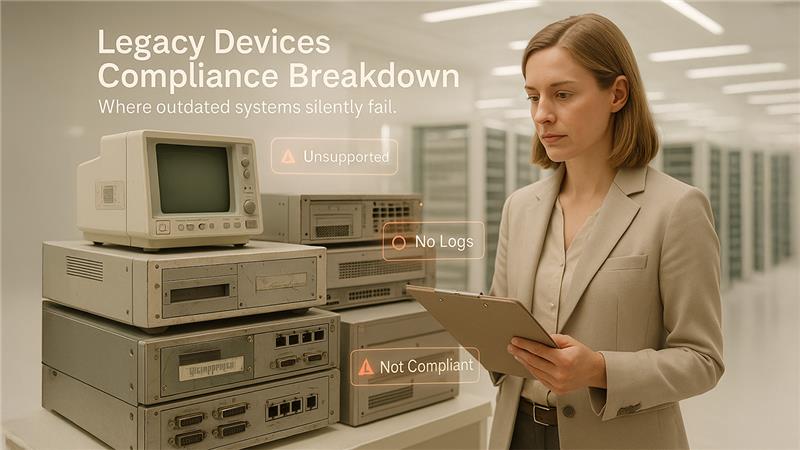

Every business accumulates technology over time. You have an old server in the corner that still hums along. You have medical equipment that's been reliably doing its job for a decade. You may still have that networking hardware nobody wants to touch because "if it ain't broke, don't fix it".
These devices might be working just fine from a functional standpoint, but they're quietly creating compliance headaches that most businesses don't notice until an auditor starts asking uncomfortable questions.
In what ways, you may ask. Read on to know the ways legacy devices create compliance gaps for businesses.
The Hidden Vulnerabilities in Aging Technology
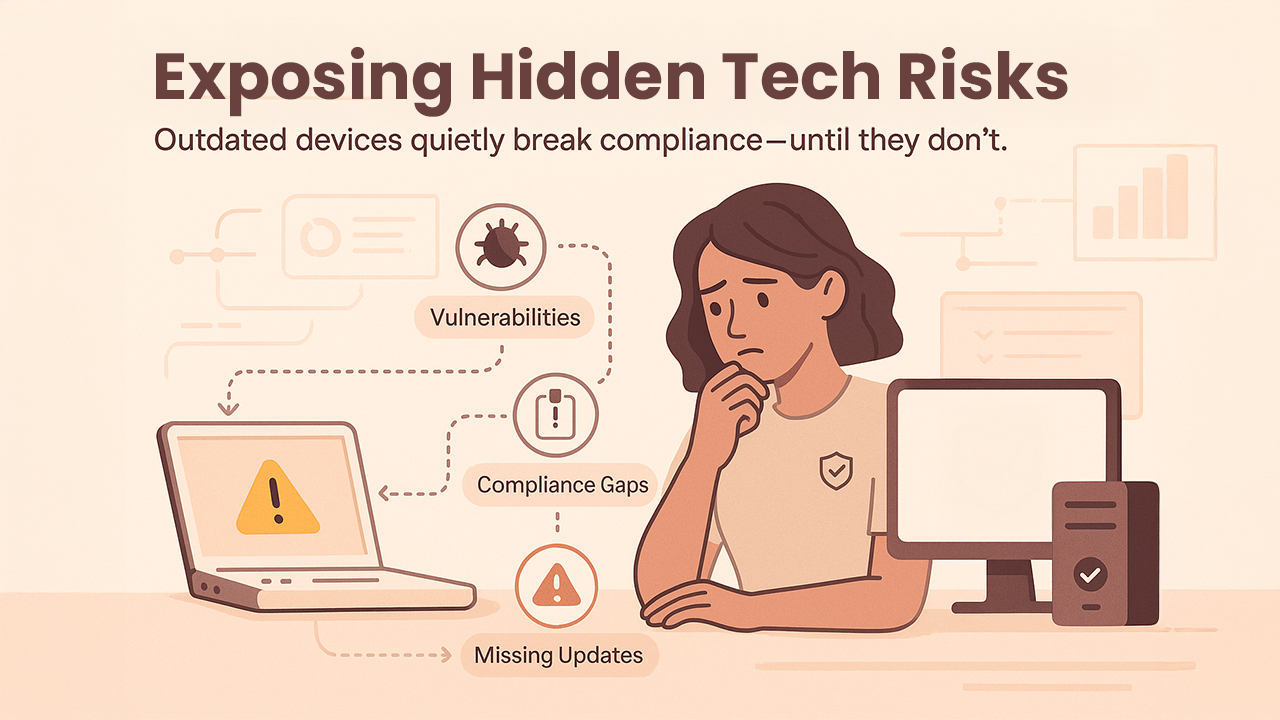
Legacy devices exist in a limbo where they technically function, but they've stopped being supported. The manufacturer isn't pushing out security updates anymore. Nobody's fixing newly discovered vulnerabilities. And yet, these devices keep running, which makes it really tempting to just leave them alone.
But compliance doesn't care if something still works. When regulations talk about maintaining current security controls or following industry best practices, they're assuming you're working with equipment that can actually meet those standards.
A server from 2010 might boot up every morning without complaint. But it would be hard to get it to generate the kind of detailed audit logs that regulators want to see today.
Plus, legacy systems often can't produce the reports compliance officers need, and don't support encryption standards that are now mandatory, or simply won't play nice with the modern security tools that auditors expect to see in place.
You must prove that every device in your environment meets current regulatory requirements by replacing the old ones with new equipment by replacing outdated equipment with new ones. Businesses do this by partnering with IT equipment management service providers to handle IT asset disposal properly.
Regulatory Frameworks Weren't Built for Yesterday's Technology
Compliance standards evolve, usually faster than anyone wants them to. What was perfectly acceptable five years ago might not cut it today. Regulations assume organizations are keeping pace with technological progress, but legacy devices are frozen in time.
Healthcare facilities get hit especially hard here. Medical devices need to comply with EU Regulation 2017/745 and FDA requirements, but a piece of equipment that got approved years ago wasn't designed with today's post-market surveillance expectations in mind.
You've got healthcare delivery organizations stuck between needing their medical equipment to keep treating patients and needing that same equipment to somehow meet compliance standards it was never built to satisfy.
And it's not like there's one set of rules everyone follows. EU regulations keep tightening up. The Directorate-General for Health and Food Safety keeps raising the bar.
Meanwhile, the company that made your legacy medical device might not even exist anymore, which leaves you with exactly zero options for bringing old equipment up to current standards. You can't exactly call tech support when the company was acquired three times, and the product line was discontinued in 2015.
The Data Governance Nightmare
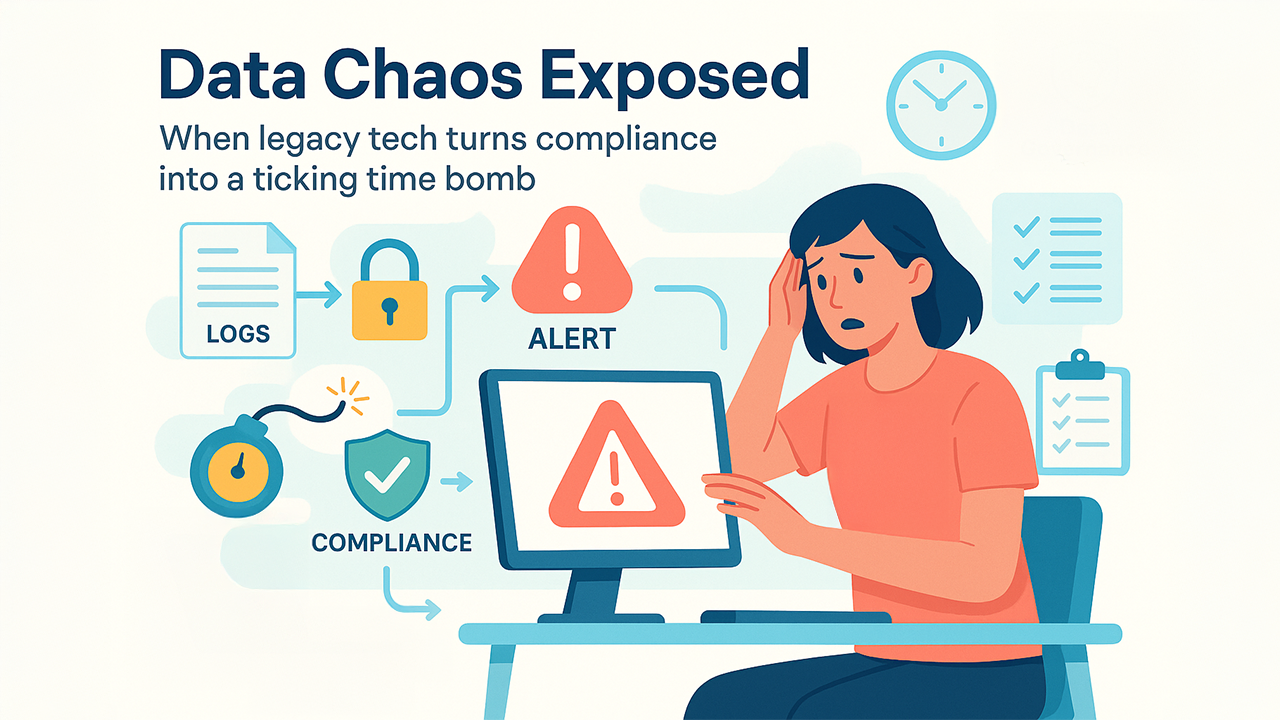
Modern regulations are keen on data protection. Who accessed what, when they did it, how the data was encrypted, and about fifty other details that need to be logged and tracked.
Legacy devices predate most of these requirements. An old phone server or an aging data storage system might not even have the capability to create the kind of detailed access logs that regulations now demand.
They might store data without encryption because that wasn't standard practice when they were manufactured. Try explaining that to an auditor who's holding you to current GDPR standards.
You might have invested in all the right modern security tools. But if your legacy device speaks an outdated protocol or communicates in ways your fancy new security tools don't understand, you've got blind spots.
Third Parties and the Compliance Chain
Things get messy when external vendors need access to your systems. Maybe they're providing support, or there's some integration that needs to happen. Compliance frameworks have plenty to say about third-party access. This usually involves strong authentication, encrypted connections, and detailed activity logging.
Now try meeting those requirements with a legacy device that only understands basic password authentication. Or one that requires remote support access through methods that would make any security professional wince. You end up in this impossible situation where you need the third-party access to keep things running, but allowing that access means violating compliance requirements.
It's a cascading problem. The legacy device itself doesn't meet standards, and it prevents you from meeting standards around how you manage third parties. You're basically choosing between being able to operate and being compliant, which isn't really a choice.
Registration and Tracking Challenges
Regulators have gotten serious about wanting detailed inventories of technology assets. They want to know what you have, where it is, and whether it meets current standards. This works fine for equipment purchased in the last few years, but legacy devices throw a wrench into the whole system.
Take medical device registration requirements. Modern frameworks like the UDI system expect every piece of equipment to have proper identification and tracking. But equipment manufactured before these systems existed doesn't fit the mold. You can't register something that doesn't have the right identifiers or documentation structure.
Healthcare organizations dealing with older medical equipment face an extra layer of difficulty. That Declaration of Conformity from years ago might not include the documentation trail that current regulations expect. The Notified Body that certified the device originally might not be around anymore. Or maybe they kept records, but not in any format compatible with today's systems.
You'll have a hard time proving compliance when half the paperwork doesn't exist in a form regulators recognize.
Software Makes Everything Worse
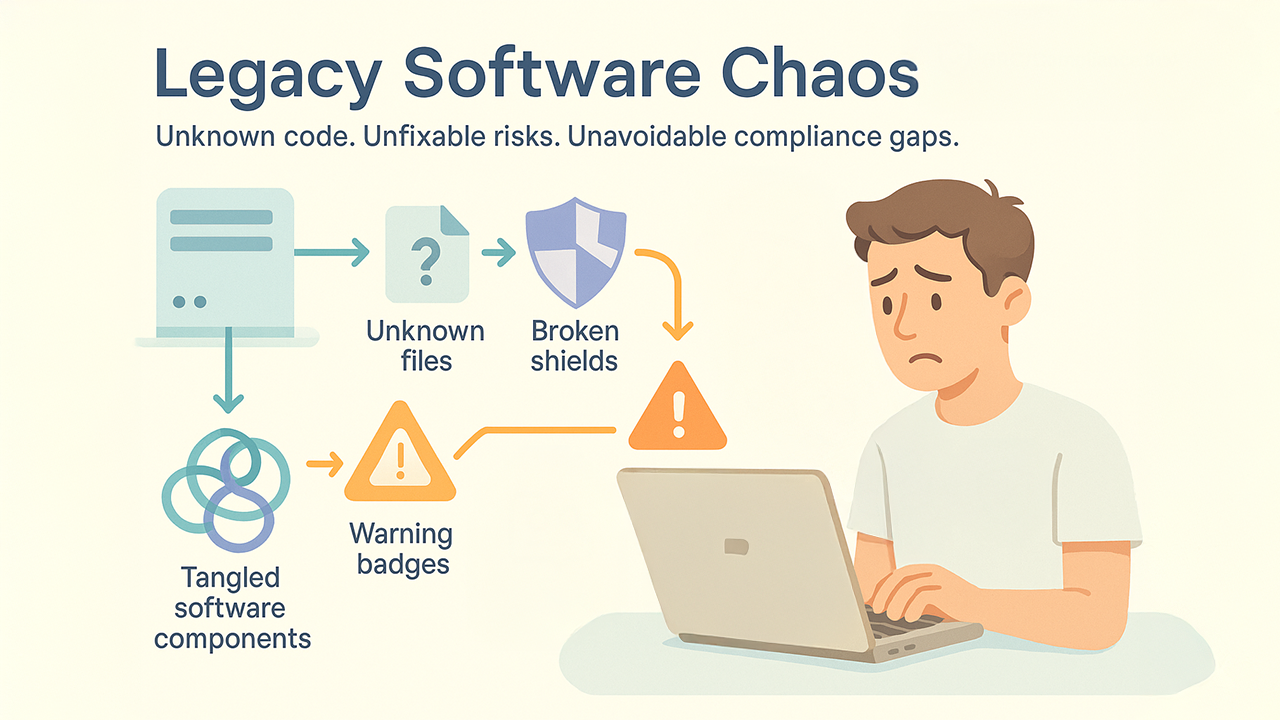
Software running on legacy devices is its own special kind of problem. There's been a lot of talk lately about Software of Unknown Provenance.
Legacy software products were often built before anyone really thought much about secure coding practices. They might contain components with unclear licensing, which creates its own compliance headaches. They weren't designed with current privacy regulations in mind, so they're probably handling data in ways that would violate half a dozen rules if anyone looked closely.
Regulations increasingly expect organizations to maintain detailed inventories of software components and to patch vulnerabilities quickly. While GRC tools for SaaS companies and cloud-based solutions can help track modern software components, they struggle with legacy software that predates current documentation standards. How are you supposed to do that with software nobody's maintained in years?
You can't inventory components when you don't have access to source code. You can't patch vulnerabilities when there's nobody left who understands how the software works.
The Real Cost of Waiting
A lot of organizations keep running legacy devices because replacing them seems expensive or complicated. The equipment works, budgets are tight, and other priorities always seem more urgent. But this math usually ignores what's building up in the background.
Every audit gets harder to navigate. Every regulatory update makes the situation worse. Every month that passes increases the chances that a compliance failure triggers fines, legal trouble, or damage to your reputation that takes years to recover from.
And the costs of non-compliance have gotten serious. Fines are just the start. There are remediation costs, legal fees, higher insurance premiums, and all the operational chaos. This comes with being forced to fix things under pressure instead of on your own schedule.
Beyond the direct costs, compliance gaps limit what your business can do. They might keep you out of markets with strict regulatory requirements. They can disqualify you from contracts with customers who check compliance status. They prevent you from participating in industry initiatives that could benefit your business.
Finding A Way Forward
Fixing compliance gaps from legacy devices isn't something you can do piecemeal. It requires understanding what you have, which compliance requirements those devices fail to meet, and then prioritizing based on risk. This is where GRC software becomes invaluable, providing centralized visibility into compliance status across all technology assets, including problematic legacy devices.
Sometimes the answer isn't an immediate replacement. You might be able to isolate certain legacy devices on separate network segments to limit their compliance impact. Or supplement them with modern tools that compensate for what they can't do. But eventually, there's no getting around the need to replace aging technology with current systems that were designed for today's compliance requirements.
%201.png)

%201.png)

%201.png)