

A CRM system is the backbone of any modern business. It takes care of customer relationships, makes day-to-day work easier, and supports growth. But as your business grows and adjusts to everything new, the same CRM that once did the magic starts to limit your progress. This challenge is particularly evident in rapidly expanding markets where businesses need technology infrastructure that can keep pace with their ambitions. Many forward-thinking organizations are now consulting with IT infrastructure companies in Dubai and other tech hubs to ensure their CRM systems are built on foundations that can scale effectively. The key to competitive advantage and operational efficiency is knowing when one has outgrown their current system.
Recognizing the warning signs early means the business can make proactive rather than reactive decisions. Whether at an impasse with performance problems, lacking critical capabilities, or finding integrations burdensome, addressing such problems proactively can save lots of disruption and missed opportunity costs. The right infrastructure support combined with the right modern CRM solution will create a sound platform for sustainable growth. Following are five unmistakable signs that it's time to upgrade or replace a CRM system.
1. Your Team Constantly Complains About Slow Performance
The Productivity Drain
Among the most visible signs that your CRM is maxed out is when performance becomes a problem. For instance, if your salespeople notice delays when loading customer information, when it takes minutes for reports to run rather than seconds, or when the system freezes during the busiest time of day, it is a problem with workflow productivity.
The Real Cost of Slow Systems
Slow performance isn't just infuriating; it's expensive. Every minute an employee spends waiting for pages to load and screens with animated spinning loading icons is a minute not spent engaging with customers or closing deals.
When Workarounds Become the Norm
At this point, if your team finds ways to work around your CRM system or avoid it altogether because it’s too slow, then you’ve reached a critical point. Today’s CRM systems are designed for large databases. That your CRM system can’t adapt to today’s needs speaks volumes about the fact that you need something better.
2. You're Missing Critical Features Your Competitors Are Using
The Evolution of CRM Technology
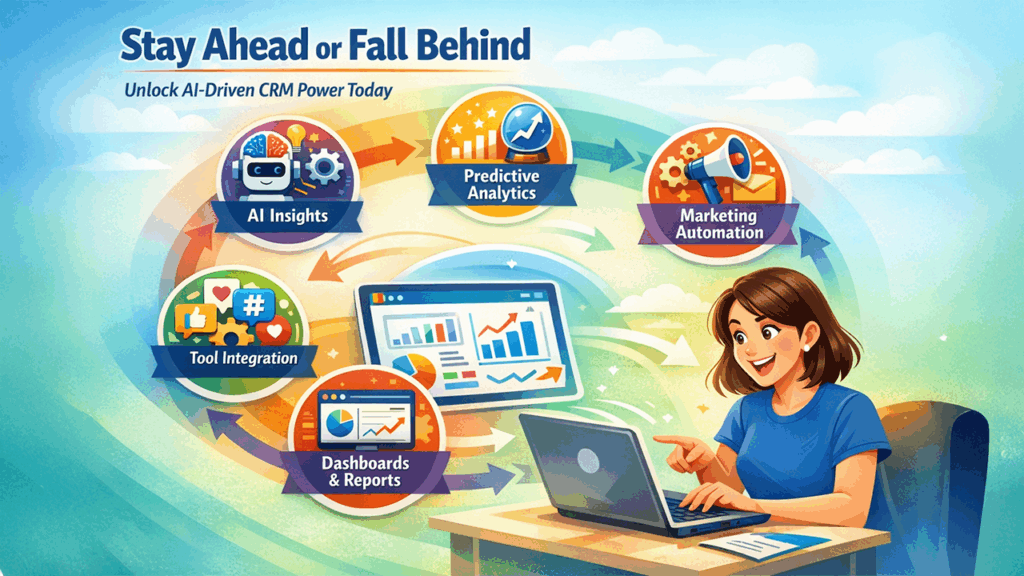
The situation in the CRM market has changed drastically compared to that prevalent in the last decade. These days, the best-in-breed CRM solution is coupled with advanced features such as insights and artificial intelligence, predictive analytics, workflows driven by artificial intelligence, and tracking capabilities that span across various communication modes. Presently, there is a growing acceptance and use of AI-powered CRM tools among organizations.
If these functions are not available in your current system, it’s likely that your business is at a competitive disadvantage.
Essential Features to Consider
Think about whether your CRM provides:
- Field sales teams' mobile accessibility
- Integration of social media for thorough client profiles
- Capabilities for marketing automation
- Advanced dashboard customisation and reporting
- AI-driven lead evaluation and suggestions
- Integration of additional business tools with ease
The Competitive Gap
If prospects are asking you about your customer engagement capabilities and you have to tell them workarounds or do it manually, that is a warning sign. You should be able to use your CRM system to provide excellent customer experiences effortlessly.
You can be sure that if you find yourself envying the capabilities being covered by your competitors at industry events, it is time to consider whether your system can be improved via an upgrade or if it needs replacement.
3. Technical Infrastructure Limitations
Understanding Infrastructure Demands
The more successful your business becomes, the more it's forced to rely on its technical capabilities. Your CRM solution is not a stand-alone application; it requires adequate server capacity, bandwidth, space, and processing power to function properly.
If your infrastructure does not have the capability to support your CRM system requirements, then you are going to find yourself dealing with a chain of issues.
Common Infrastructure Bottlenecks
Legacy servers could have a problem meeting increased user traffic during peak times. Network bandwidth can also cause bottlenecks when synchronizing data among project teams.
A lack of storage capacity can result in data archiving problems or the inability to record all the information about the customers you're interested in. These types of issues in your equipment don’t only result in poor performance of the CRM system but also imply that the whole technological infrastructure of your business requires improvement.
The Importance of Professional Infrastructure Assessment
System downtime, data synchronization issues, or difficulties adding additional users without impairing performance indicate that your infrastructure is a bottleneck. That’s where consulting with an expert is so important.
Regional Expertise Matters
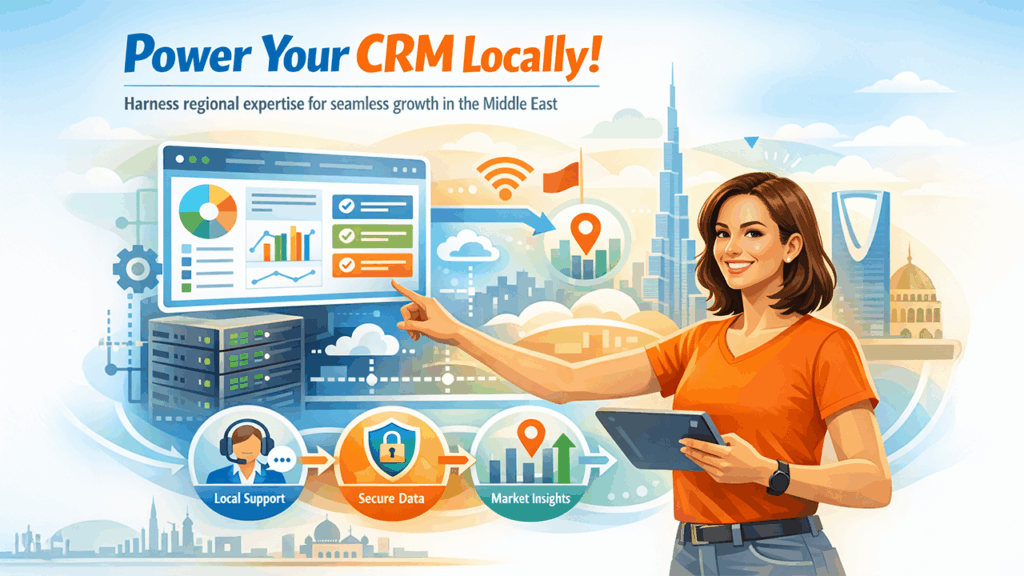
To make it clearer, we can consider an example based on Middle Eastern Countries, where a rapid transformation in technology is taking place at a rate that has not been seen or experienced before.
Companies in the Middle East realize that for CRM to be effective, there must be excellent infrastructure. In areas such as Dubai, Abu Dhabi, and Riyadh, which continue to develop at breakneck speed, firms expend tremendous resources to ensure that there is good technology infrastructure.
For businesses operating in the UAE, working with specialized IT infrastructure companies in Dubai can provide significant advantages. These local experts understand the unique challenges of the region—from regulatory compliance requirements to the specific network architecture needs of businesses serving both local and international markets. They can assess whether your current setup can support advanced CRM features, including scalable platforms like Grospal, and handle your projected growth trajectory.
Across Saudi Arabia, Qatar, and the rest of the GCC nations, various organizations are partnering with regional IT specialists who have local knowledge of data residency laws, standards of connectivity, and best ways of building resiliency in system design within the Middle Eastern business climate.
What a Comprehensive Assessment Covers
Whether you're contracting local experts or global consultants, it is essential that your infrastructure assessment encompasses your servers, network infrastructure, security mechanisms, and backup solutions to ensure you're well-equipped to support today's CRM environment.
Planning for Infrastructure Upgrades
The reality is that upgrading to a new CRM often requires simultaneous infrastructure improvements. Cloud-based solutions might need robust internet connectivity and proper security configurations. On-premise systems require sufficient server capacity and backup redundancy.
A comprehensive infrastructure assessment ensures you're not just solving today's problems but preparing for tomorrow's opportunities.
4. Data Silos Are Preventing a Unified Customer View
The Integration Challenge
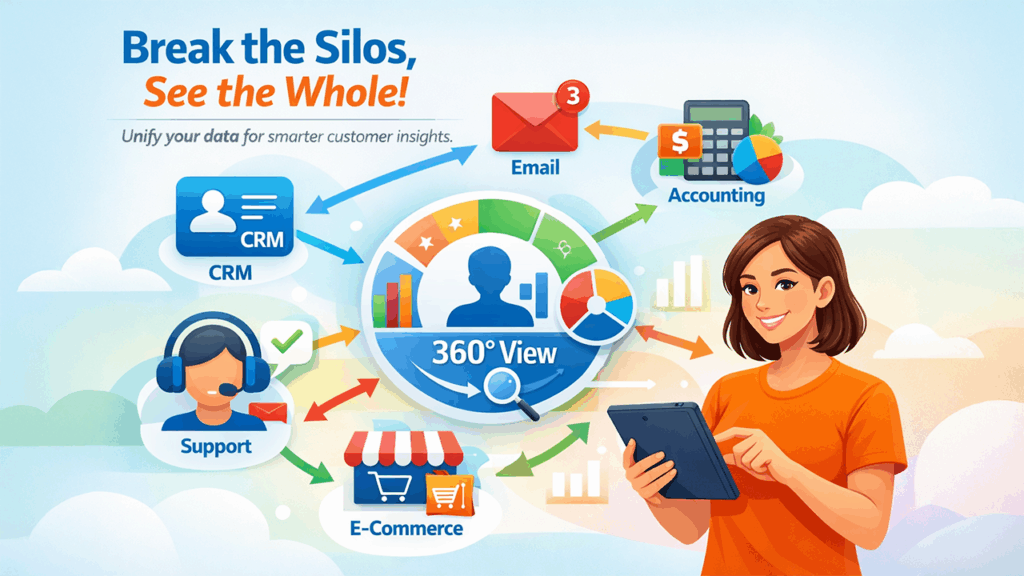
In today's interconnected business environment, your CRM should serve as a central hub that integrates with your other systems—email platforms, accounting software, e-commerce platforms, customer service tools, and marketing automation systems.
If your CRM exists as an island, isolated from other critical business applications, you're missing out on the comprehensive customer insights that drive effective decision-making.
The Cost of Fragmentation
Data silos create numerous problems. Sales teams might not see support tickets, leading to awkward customer conversations. Marketing campaigns can't leverage purchase history effectively. Customer service representatives lack visibility into ongoing sales opportunities.
This fragmentation results in duplicated efforts, inconsistent customer experiences, and missed cross-selling opportunities.
The 360-Degree View Imperative
Modern businesses need a 360-degree view of each customer relationship. If achieving this requires your team to toggle between multiple systems, manually export and import data, or rely on spreadsheets to connect information, your CRM is no longer fit for purpose.
The inability to integrate with essential business tools or the requirement for custom coding for basic connections indicates that your system has fallen behind current standards.
5. Your Business Model Has Changed Significantly
When Evolution Outpaces Technology
Indeed, one of the most obvious markings of outgrowing your CRM is when your business has developed in a manner which your current system cannot accommodate. This can be evidenced in a host of areas.
Geographic Expansion
If you have grown from a local operation to serving multiple regions or countries, you need CRM capabilities that handle multiple currencies, languages, time zones, and regulatory requirements.
Product Complexity
Adding a new product line, subscription model, or service offering to your business may require different sales processes and approaches for managing customers than initially founded upon.
Team Growth
What worked for a team of five salespeople becomes unwieldy with fifty. Larger teams need sophisticated territory management, role-based permissions, and collaboration features.
Customer Sophistication
As your customer base grows more demanding, you need tools that enable personalized engagement at scale, something basic CRMs struggle to deliver.
The Danger of Forcing Fit
When your business strategy has changed but your CRM has not kept up, what happens is you're forcing new processes into old structures. This forces inefficiencies, workarounds, and limits your potential for growth.
Making the Transition
First comes recognition of these signs; then, the will to act on them drives the real change. While a thoughtful approach to upgrading or replacing a CRM system is necessary, continuing with an obsolete solution comes at an exponentially higher cost in terms of lost productivity, missed opportunities, and competitiveness erosion. Start by documenting your existing pain points and describing your future needs. Involve key stakeholders to make sure the new system will support all teams.
Assess whether upgrading to another platform or a custom solution fits your needs. Keep in mind that a CRM is only as good as the infrastructure and the people behind it. When properly aligned, the right CRM becomes a powerful engine for sustainable business growth.
%201.png)

%201.png)

%201.png)