
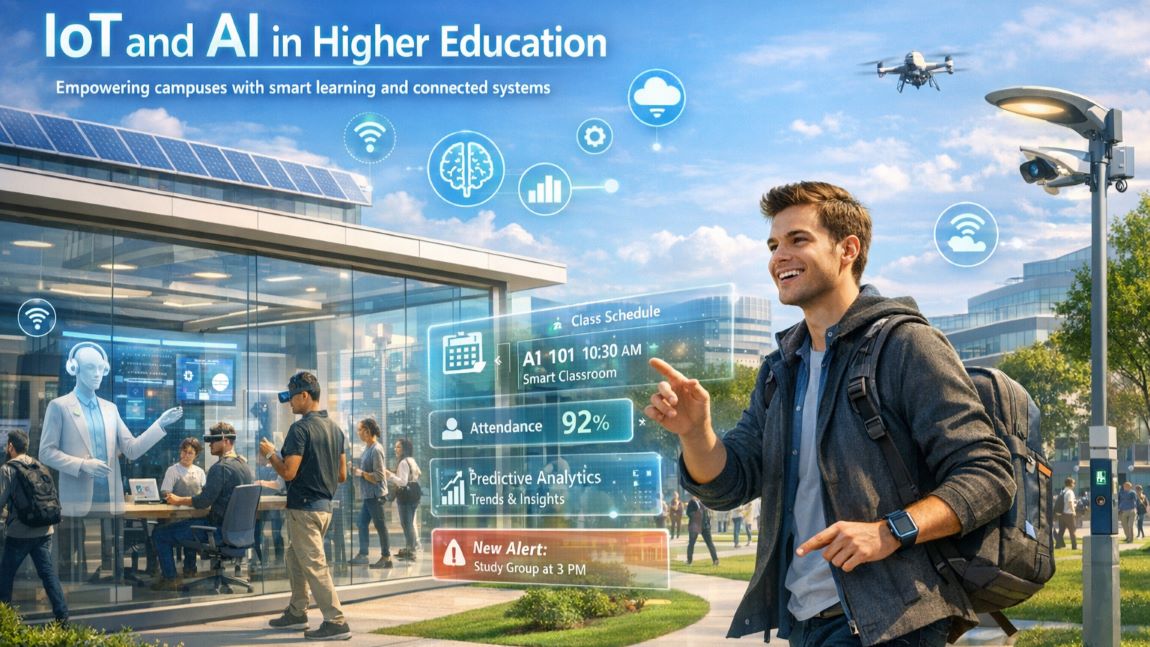

Campuses today are more than classrooms and lecture halls. With the Internet of Things and artificial intelligence, campuses are starting to respond to daily needs, making learning and campus life smoother. Imagine walking across a smart campus where lights adjust automatically, schedules update based on attendance, and support systems notice students who might need help. Technology is helping students and faculty spend less time on routine tasks and more time on learning and collaboration, improving the overall student experience.
Understanding Student Patterns
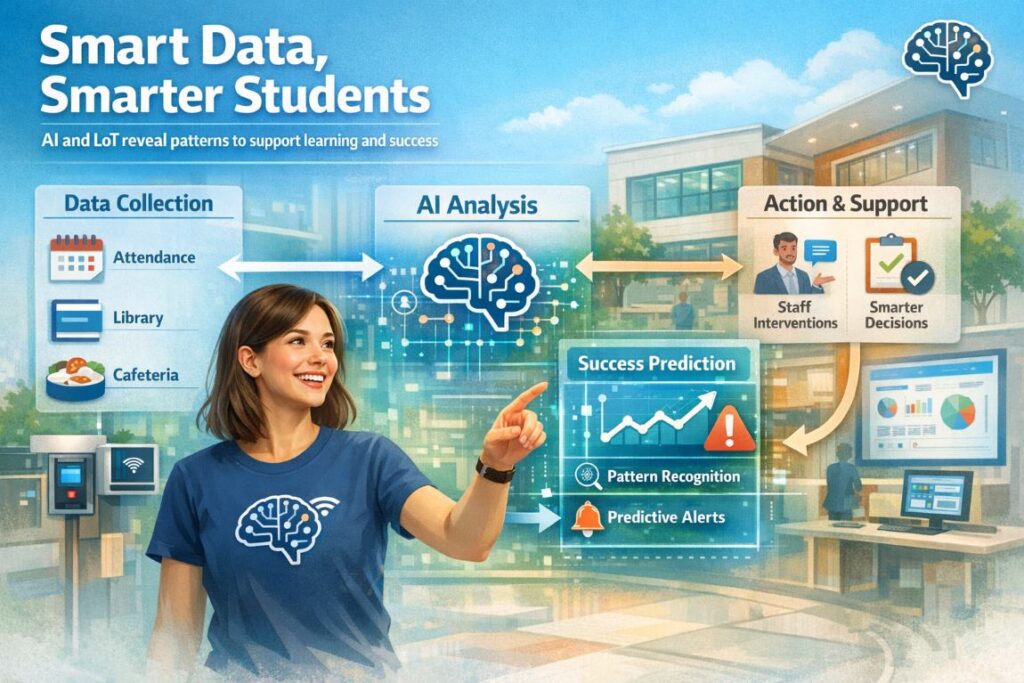
Campuses generate a lot of data every day, from attendance records to library checkouts and cafeteria visits. AI tools can analyze this information and highlight patterns that might otherwise go unnoticed. For example, predictive systems can identify students who may struggle in a course, allowing staff to offer help before issues become serious. Many universities now use predictive analytics in higher education and integrate it with data infrastructure to make sense of these patterns and improve student success. You can read full guide here to see how these systems support retention efforts and turn complex information into practical strategies.
Smart ID cards and smart sensors in classrooms provide real-time updates on how students move across campus. This helps staff make better decisions about campus infrastructure and ensure students get support when they need it. Students notice when courses and services feel responsive to their needs.
These tools let campuses track student attendance and participation more accurately than before. They make it easier to understand why a student is struggling and to take action quickly. The result is a connected campus that actively helps students stay on track instead of waiting for problems to appear.
Smarter Classrooms
Classrooms are becoming more adaptive with IoT devices. Digital devices allow lights, temperature, and screens to adjust automatically, and AI can suggest extra support or challenges based on student engagement. These changes help keep students focused and involved, enhancing learning environments.
Connected tools allow easy access to digital resources during class. Augmented and virtual reality can make complex concepts more tangible, while AI tutors provide quick help with assignments or questions. Teachers still guide learning, but these systems free them to spend more time on instruction and hands-on support, supporting hybrid learning models.
Alongside adaptive content, instructors can use AI planning tools that align lessons to course objectives or standards, differentiate practice, and generate lesson plans in minutes. This supports consistent curriculum design across sections and frees faculty to focus on feedback, project facilitation, and hands-on learning.
Each classroom links to the larger campus network, helping with classroom usage, attendance monitoring, and group projects. Students feel the difference because lessons respond to their needs rather than following a one-size-fits-all approach.
Smoother Campus Operations
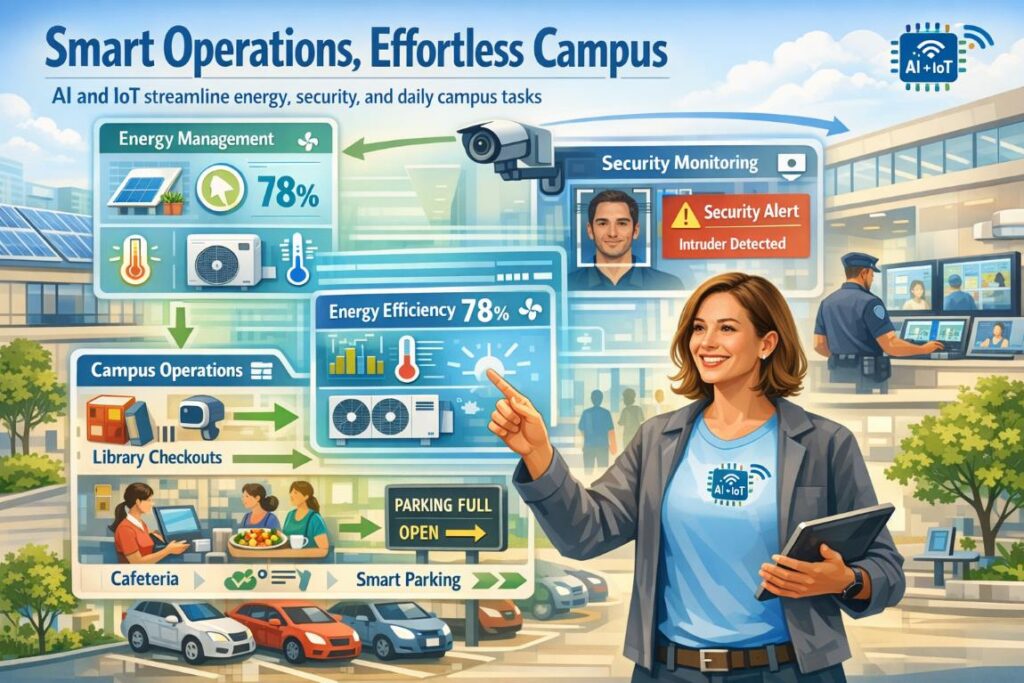
IoT helps campuses achieve greater operational efficiency. Energy systems can adjust lighting and heating in empty rooms, generating energy savings and reducing operational costs. AI can predict when maintenance is needed, preventing disruptions before they happen.
Security also benefits. Smart security systems, including cameras and sensors, enhance campus security and security operations, while access control systems and facial recognition manage entry to restricted areas. AI can even identify potential hazards, respond to cybersecurity threats, and trigger endpoint detection and response alerts before they become a problem. Parking systems also benefit from these connected solutions, easing daily campus traffic.
Daily tasks like library checkouts or cafeteria lines move faster with connected devices. Administrators can monitor space utilization, occupancy monitoring, and manage facility management more effectively. A campus that functions well makes life easier for everyone.
Personalized Student Support
AI is changing student services in practical ways. Chatbots and virtual assistants handle routine questions about registration, financial aid, or campus events, leaving staff free to address more complicated needs. Students get help faster while still interacting with humans when it matters most, improving the student experience.
Data from connected systems can highlight students who may need extra guidance. If performance drops or student attendance patterns change, staff can suggest support early. This approach helps students stay on track and reduces stress.
Combining AI with IoT allows campuses to provide support that feels natural. Students receive timely guidance and resources tailored to their situation, helping smart academic campuses offer a more personalized approach.
Campus Life and Engagement
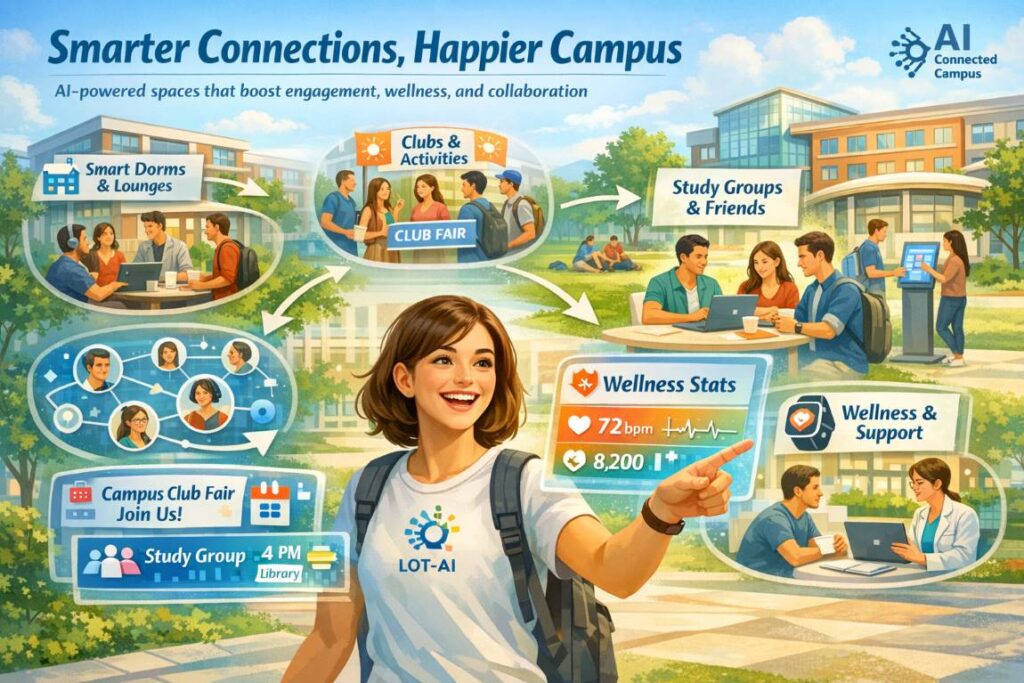
Smart spaces improve more than academics. Connected dorms, recreation centers, and common areas help administrators schedule events and manage campus infrastructure efficiently. AI can suggest clubs or activities based on students’ interests, making it easier to get involved.
Technology also helps students connect with peers and study groups. AI can highlight opportunities for collaboration, helping students find people with similar goals. These connections grow naturally without forcing interactions, supported by captive portals and digital devices for community engagement.
Wellness programs benefit as well. Stress management apps and wearable health devices provide data that helps staff support students when needed. The campus environment becomes more comfortable, engaging, and supportive.
In Conclusion
IoT and AI are changing the way campuses operate. From understanding student patterns to adaptive classrooms, efficient operations, personalized support, and more engaging campus life, technology is helping campuses work better for everyone. Students and faculty spend less time on routine tasks and more time learning, teaching, and connecting. Higher education is becoming more responsive, practical, and focused on the people using it.
%201.png)

%201.png)

%201.png)