


Digital products evolve alongside user expectations, markets, and technology. Over time, even successful platforms can lose effectiveness if they fail to adapt. This is when product redesign services shift from a nice-to-have to a business necessity.
A redesign is not about visual refresh alone. It is a strategic response to performance gaps, usability issues, and changing business goals that limit further growth.
Signs That a Product Is Holding the Business Back
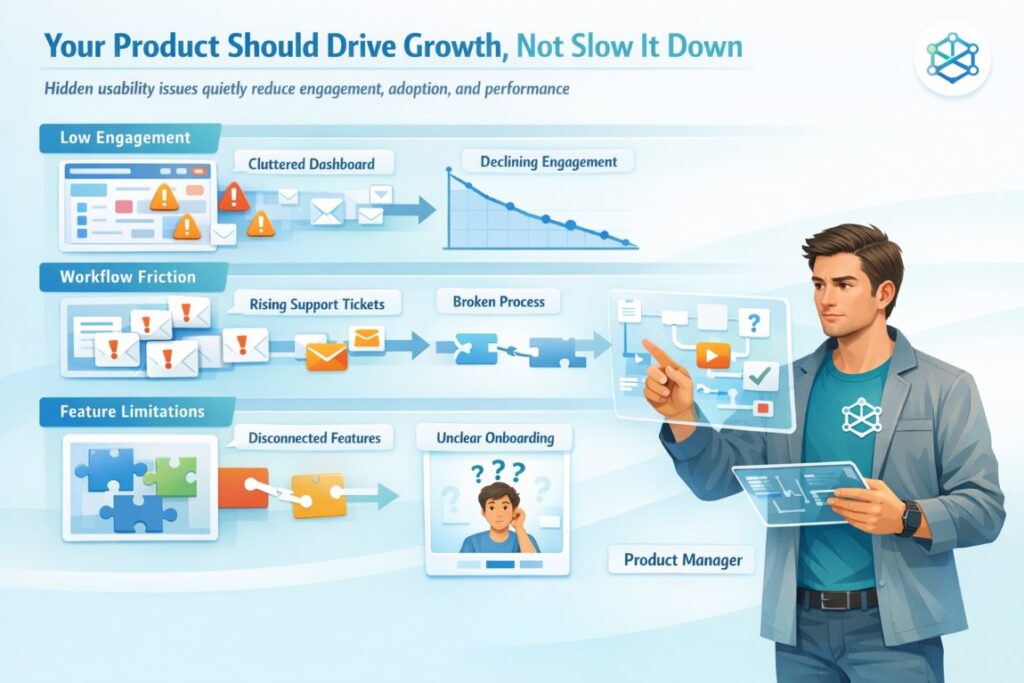
Many teams delay redesign efforts because the product still works. However, usability issues often appear gradually. Declining engagement, rising support requests, and stalled conversions are common warning signs.
Other indicators include difficulty adding new features, inconsistent user flows, or negative feedback during onboarding. These issues suggest that the current experience no longer supports business needs.
How UX Debt Impacts Product Performance
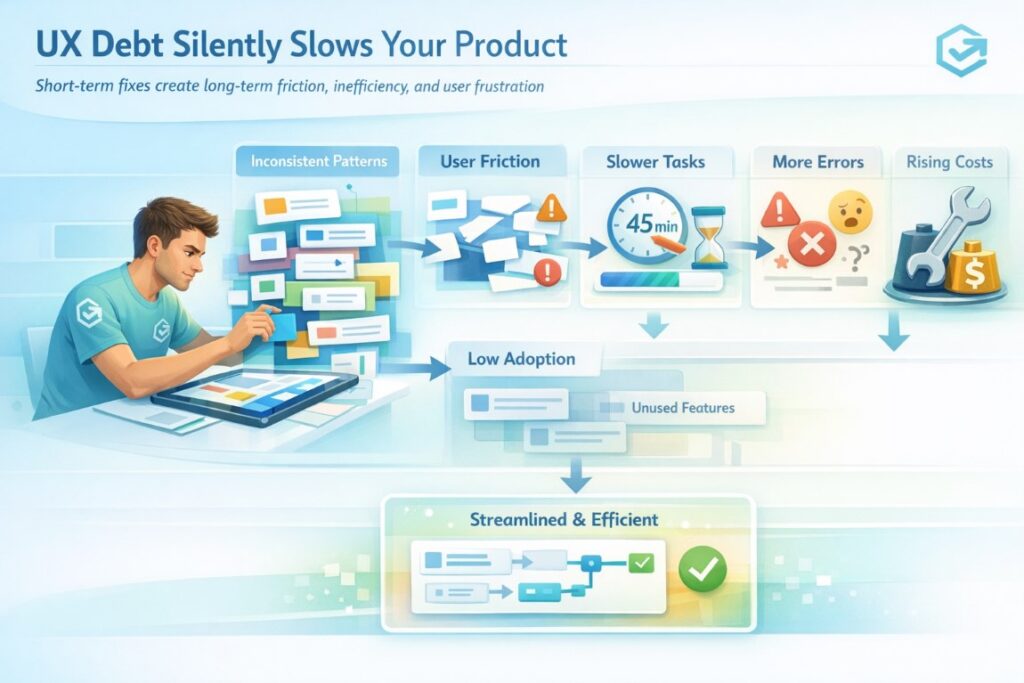
UX debt accumulates when short-term decisions are made without long-term structure. Quick fixes, rushed features, and inconsistent patterns create friction over time. Users feel this friction even if they cannot articulate it clearly.
- Longer task completion times
- Increased user errors and confusion
- Lower adoption of new features
As UX debt grows, the cost of maintaining and evolving the product increases. Redesign becomes the most efficient way to reset and move forward.
Aligning Redesign With Business Goals
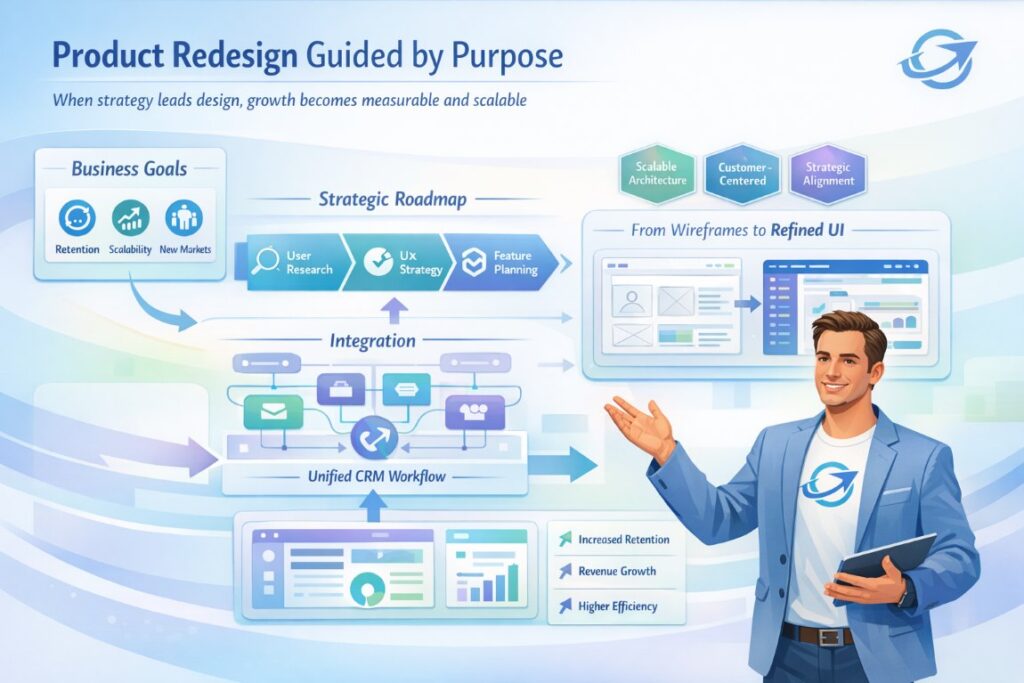
A successful redesign starts with business objectives. Teams must understand whether the goal is improving retention, supporting new customer segments, or enabling scalability. Without this clarity, redesign efforts risk becoming cosmetic.
Organizations often realize the need for product redesign when growth begins to outpace the platform’s original structure. At this stage, many businesses evaluate external expertise to align redesign decisions with scalability, integration planning, and long-term product strategy. Exploring insights from experienced SaaS consultants can help teams understand how redesign initiatives translate into measurable operational improvements.
UX strategy connects these goals to concrete design decisions. It defines what should change and what should remain consistent to protect existing user trust.
Reducing Risk Through Structured Redesign
Redesign does not have to be disruptive. Structured approaches allow teams to test changes incrementally. Research, prototyping, and validation reduce the risk of negative impact on active users.
By grounding decisions in data and user behavior, teams can modernize the product while preserving what already works.
Long-Term Value of Product Redesign
A well-executed redesign improves more than usability. It simplifies future development, reduces support costs, and strengthens product positioning. These benefits compound over time.
Redesign also signals maturity. It shows customers and stakeholders that the product is actively maintained and aligned with evolving needs.
Conclusion
Product redesign becomes a business necessity when existing experiences limit growth, efficiency, or user satisfaction. Addressing UX debt and aligning design with strategy helps products remain competitive and scalable. When approached strategically, redesign is an investment in long-term product health.
%201.png)

%201.png)

%201.png)