
Most sales teams have already figured out that email works. The real problem is rarely the channel. It's the list you're sending to.
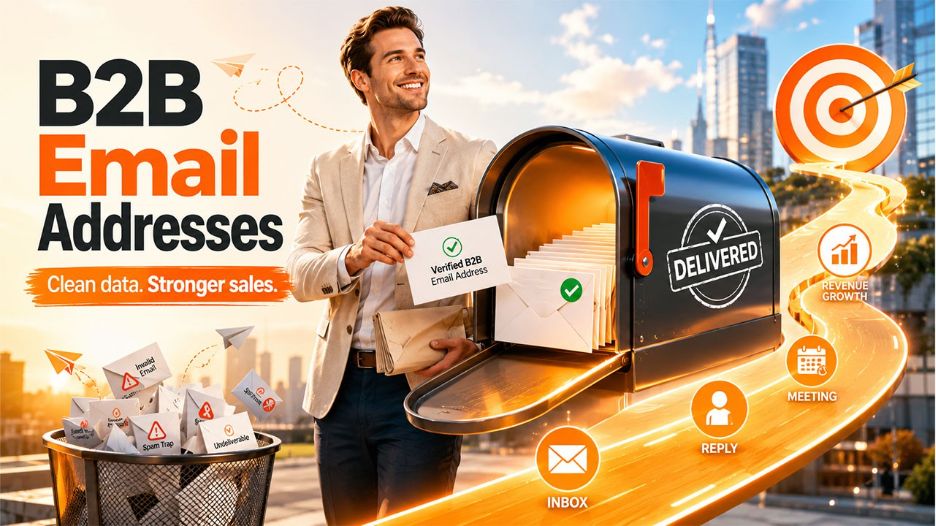
You can build a careful cold outreach sequence, dial in your email copy, and still get nothing back. That’s because a chunk of those addresses were invalid before you ever hit send. A bad B2B email list quietly makes your next campaign worse because every batch of bounces chips away at your domain reputation.
Here are more reasons why having top-notch B2B email addresses is the holy grail for success.
The Compounding Cost of Dirty Data
Bad contact data is expensive in ways that don't show up immediately on a dashboard.
When outreach hits invalid addresses, bounce rates climb. Spam filters notice. Once your domain reputation starts slipping, deliverability drops across the board—including for the contacts that were perfectly valid. You end up in a situation where the problem started with a few hundred bad addresses and spread to affect your entire email marketing operation.
Teams that invest in email verification early tend to avoid this cycle entirely. They're not dealing with catch-all emails routing to nowhere, DNS lookup failures, or SMTP probing mismatches that quietly kill campaigns before a human ever reads them. Their SPAM complaint rates stay low. Their sender reputation stays intact.
If you're starting fresh or rebuilding, the most practical move is to find verified B2B email addresses at scale through a platform that handles catch-all detection and real-time server handshakes. This way, your verification output reflects what's deliverable, not just what looks clean in a spreadsheet.
Clean Data Changes How the Rest of Your Stack Performs
When your contact data is accurate, a lot of downstream problems stop being problems.
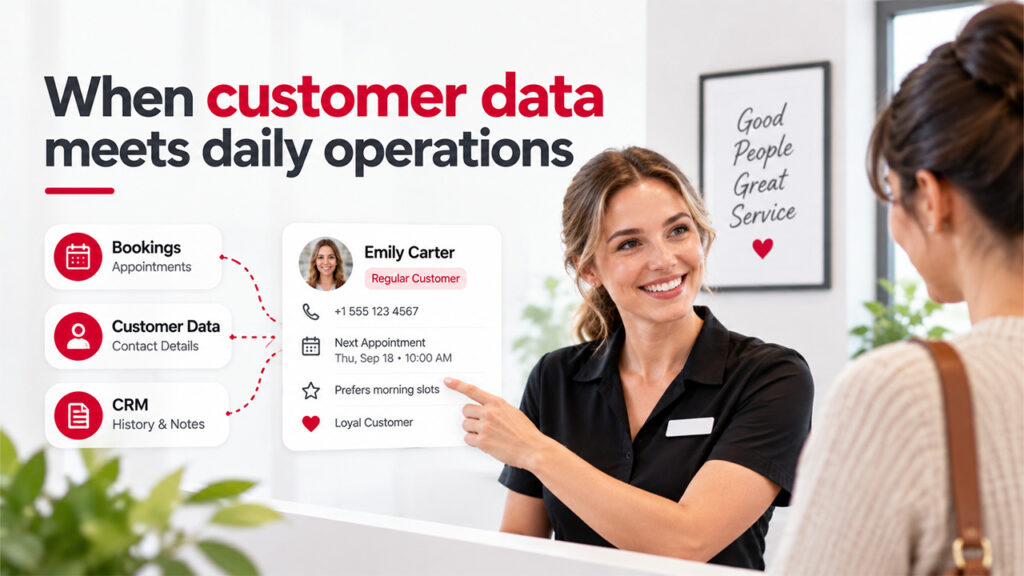
CRM systems stay usable. Sales teams stop burning hours manually scrubbing contact records to find out if a prospect's email is still valid. Lead scoring starts to mean something because the data feeding it reflects real people in real roles rather than outdated contact records nobody ever cleaned up.
CRM integrations, between your email database, your sequence tool, and platforms like Zoho CRM, work the way they're supposed to instead of just becoming another place where duplicates accumulate. When your SDR team goes to pull a list for a campaign, they're not making a silent bet on data quality.
Firmographic data matters here beyond just the basics. Knowing if someone still holds the role you're targeting, if their company went through a recent funding round, or if their job posting data signals active expansion in the department you sell into, is what turns a generic email into a very effective sales generator.
How This Shows Up in Revenue
Open rates and reply rates are symptoms, not the root issue. Fix the data, and those numbers tend to follow.
Outreach that reaches real inboxes gets read more. Outreach that gets read more generates responses. Responses give your sales team something to work with. That sounds obvious, but a surprising amount of pipeline problems trace back to contact data that was never verified in the first place.
Quality B2B email addresses also help businesses move prospects through the Sales Funnel more effectively by enabling timely and relevant communication at every stage.
Good contact data also makes your marketing campaigns smarter over time, because the feedback you get is real. You can see which segments of your B2B contacts engage with certain messaging, which email sequences are generating actual pipeline, and which ones need rethinking. When your email list is full of invalid addresses and catch-all guesses, that feedback is noise.
Technographic data adds another layer. When your verified B2B email lists also carry information on what tools a company uses, you can personalize outreach in ways that generic campaigns can't. Knowing a prospect already uses a CRM platform that integrates with yours changes your opening line entirely.
GDPR compliance belongs in this conversation too, even if it's not the most exciting part. Working with a B2B email list provider that maintains a proper compliance infrastructure means you're not inheriting legal exposure from whoever collected that data before you. GDPR compliant data practices protect you with prospects and with regulators.

Where the Process Usually Breaks Down
The tool is rarely the problem. The process usually is.
If your team adds unverified contacts to campaigns without a verification step, or pulls from an email database that hasn't been audited in over a year, switching to a better sequence tool won't fix the underlying issue. The contact records are the foundation, and if those are off, everything built on top of them is working against itself.
Businesses that want to build a reliable prospect database can learn How to Find Business Email Addresses using effective and ethical email research methods.
Waterfall enrichment has become a practical fix for this in a lot of B2B teams. Instead of depending on one B2B data source, you run contact data through multiple sources in sequence until you get a verified match. It improves match rates and cuts down on the contacts that fall through without a usable address.
Intent signals are worth building into this as well. B2B intent data that tracks behavioral signals across the web can tell you when a company is actively researching solutions like yours. Getting that timing right matters. Reaching the right person at the wrong moment is almost as bad as reaching the wrong person entirely.
Tools built around LinkedIn Sales Navigator, social profile discovery, and professional profiles can all supplement a core email database. But the same constraint applies across all of them: none of it converts if the address doesn't reach a real person.
Why Getting This Right Early Pays Off
There's no single tactic that separates high-performing B2B sales teams from the rest. It's usually a lot of smaller things done consistently.
A clean, verified B2B email list is one of those foundational pieces that makes other things work better. Domain reputation holds. CRM platforms stay manageable. Cold outreach lands in front of the people it was meant for. The SDR team spends more of its time in actual conversations.
The teams that outperform over time tend to treat their contact data like a real part of their go-to-market strategy, not something to revisit after a bad quarter. That decision tends to pay off well before it's obvious that it mattered.
Frequently Asked Questions
What makes a B2B email address high quality?
A high-quality B2B email address is accurate, active, and associated with the right business professional. It should ideally belong to a relevant decision-maker or prospect and be verified to reduce bounced emails, outdated contacts, and wasted outreach efforts.
Why are verified B2B email addresses important for sales teams?
Verified B2B email addresses help sales teams reach the right prospects while reducing bounce rates and improving email deliverability. More accurate contact data also allows sales representatives to spend less time correcting bad leads and more time engaging with potential customers.
How can businesses maintain the quality of their B2B email lists?
Businesses should regularly verify email addresses, remove invalid or inactive contacts, update outdated information, and avoid purchasing unverified lists. Keeping contact information clean and current helps maintain better deliverability and improves the overall effectiveness of B2B outreach campaigns.
Can poor-quality B2B email addresses affect email deliverability?
Yes. A large number of invalid, inactive, or incorrect email addresses can increase bounce rates and negatively affect sender reputation. Maintaining a clean and verified B2B email list helps businesses reduce unnecessary bounces and support more consistent email deliverability.
How do quality B2B email addresses improve lead generation?
Quality B2B email addresses allow businesses to connect with relevant prospects instead of sending campaigns to inaccurate or unrelated contacts. When accurate contact data is combined with proper segmentation and personalized messaging, businesses can improve engagement, generate more qualified leads, and create better opportunities for sales conversion.
%201.png)

%201.png)

%201.png)