


AI tools are completely reshaping how students' study, revise, and manage academic workloads in 2026. From immediate generation of notes to intelligent revision platforms, such tools are not optional anymore. They have become a part of your routine learning.
Instead of you having to spend hours exploring textbooks or rewriting notes, students now utilize AI to streamline complex topics and focus on understanding. This shift is enabling learners to learn quickly and perform effectively.
In this complete guide, let us explore the right AI platforms for students in 2026, how they enhance productivity and why tools are ideal for use for research, exams, and day-to-day study routines.
Why Are AI Platforms Becoming Vital for Students in 2026?
The contemporary education system requires more clearer, quicker, and more efficient learning, which conventional methods of study generally do not support. AI platforms aid in customization of learning as per the requirements of every student and adjusting to the strengths and weaknesses of every student.
They can also save time by automating different tasks such as flashcards, note summaries, and study planning, enabling students to emphasize comprehending key concepts.
- Customizes learning as per the performance and requirements of every student.
- Automates tasks such as summaries, notes, and flashcards.
- Adjusts levels of difficulty and monitor areas that require more study and practice.
- Minimized stress by enhancing time management and organization.
Academic Integrity Platforms and AI Detection in Student Workflows
As AI-powered content becomes extremely common in education, institutions and students greatly depend on detection platforms to ensure academic honesty. Such platforms aid in recognizing whether the text is AI-written or human-written.
The debate centered on accuracy is also growing, specifically when you compare platforms such as Copyleaks vs GPTZero. A few platforms turn out to be strict while there are others that focus on minimizing false accusations against students.
In real classrooms, accuracy and fairness are more important than marketing claims. Students prefer tools that clearly explain results and do not wrongly flag real work.
Because of this, AI detection tools are now used not only to check content but also to help students improve their writing and understand originality.
How Best AI Tools for Students Help in Academics?
AI has turned out to be an important aspect of modern education since it aids students to learn in a more efficient and tailored way.
Conventional methods of study generally treat each student in a similar way. However, AI adjusts to individual speed of learning and levels of difficulty.
It also automates routine tasks such as creating quizzes, summarizing notes, and streamlining plans of study, enabling students to emphasize actual understanding.
Overall, AI enhances productivity, minimizes stress, and provides support to higher level of academic performance.
Best AI Tools for Students in 2026
1. ChatGPT - The All-in-One Study Assistant
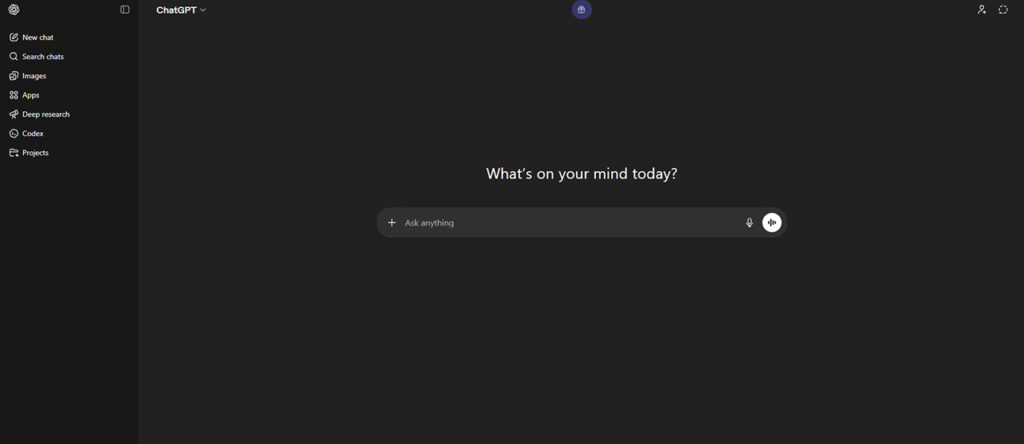
ChatGPT is broadly utilized for segmenting complex topics, creating summaries, and instantly generating practice questions.
Students leverage it to re-create notes, elucidate tricky concepts, and develop structured outlines for assignments and essays. Its higher flexibility makes it one of the most effective general-purpose study platforms available in 2026.
2. Notion AI – Streamline Your Complete Academic Life
Notion AI aids students to handle deadlines, notes, and projects in a single workspace.
It can convert chaotic study plans into organized dashboards and weekly study routines automatically.
This makes it specifically valuable for students to go through numerous assignments and subjects.
3. Perplexity AI - Smarter Academic Research
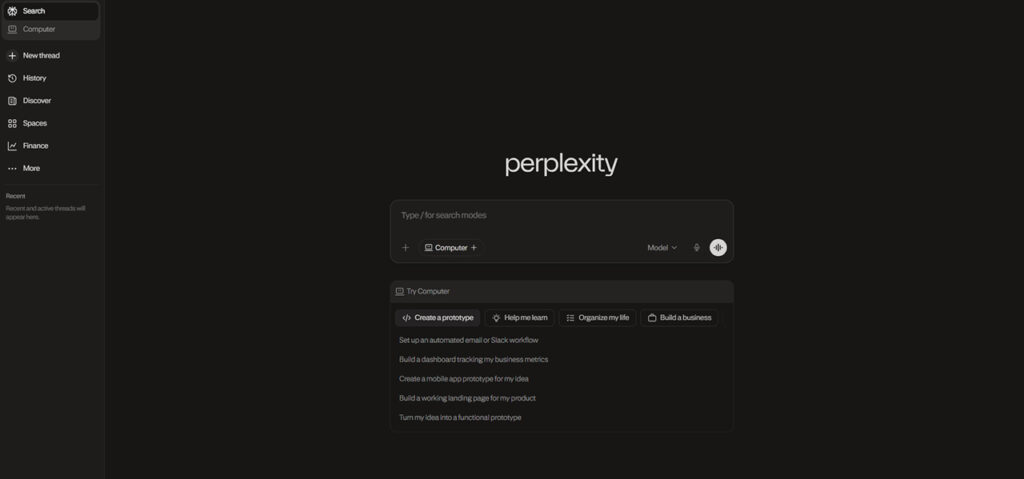
Perplexity AI is a prominent tool for research since it ensures direct answers with sources instead of overwhelming search outcomes.
Students leverage it to understand topics quickly, look for references, and summarize academic content.
It reduces research time while improving accuracy and reliability.
4. Grammarly – Instantly Enhance Writing Quality
Grammarly aids students to refine their emails, essays, and assignments by boosting clarity and correcting any grammatical issues.
It also suggests improvements in the tone, making writing more readable and professional.
For academic success, proficiency in writing will be significant, and Grammarly helps students achieve that goal effectively.
5. Otter AI - Smart Capture of Lecture Notes
Otter AI keeps records of lectures and transcribes spoken content in text notes that can be searched easily. Students do not have to manually type everything during fast-moving classes. This enables higher focus during lectures and simpler revision afterward.
6. Quizizz - Gamified Learning for Classrooms
Quizizz turns studying into interactive quizzes that can be played individually or in groups. Teachers often use it for revision sessions, while students use it for self-practice. Its game-like structure improves engagement and memory retention.
7. Anki - Deep Memory Through Spaced Repetition
Anki is one of the most robust platforms for long-term memorization. It utilizes spaced repetition algorithms to display flashcards at the right time for recall. This makes it important for language learners, medical students, and students preparing for exams.
8. RemNote – Flashcards and Notes Combined
RemNote integrates flashcards and note-taking in a centralized system. Students can easily convert any note into a study card immediately while also organizing topics in a structured way. However, it needs time to learn and is quite effective for disciplined users.
9. StudySmarter - All-in-One Study Platform
StudySmarter gives notes, flashboards, quizzes, and AI-driven summaries in a centralized place. It is specialized for students who need a comprehensive system for revision without switching back and forth between applications. Its wide library of shared study materials also makes it extremely practical.
How to Utilize AI Platforms in an Effective Way?
AI is quite robust, but it only works when it is utilized correctly. Best AI tools for students are those that align with their learning process, but it should not replace their thinking.
Students must consider AI as an assistant that aids in boosting understanding, not as a shortcut for completing the work quickly.
Do this:
Provide Clearer prompts: Instead of giving generic prompts such as “help me understand this,” you can ask for something a lot more specific such as “Explain Chapter 3 in less than 200 words with a straightforward example”
Do No Become Wholly Dependent on AI: You need to use AI only to create ideas as well as explanations, then you need to re-design your content in your own words.
Utilize an Intelligent Workflow: Research with the help of Perplexity → you can structure better with ChatGPT → refine better with the help of Grammarly.
Think Critically Always: AI can be incomplete or wrong, so you need to always check, question, and improve the output.
Learn How You Can Control AI: Numerous students leverage AI daily, but do not completely understand how to effectively train it or guide it. Thus, prompt engineering is a real skill as it helps you learn how you can instruct an AI properly.
How Students Must Select the Right AI Platforms?
Choosing the best AI tools for students depends on the style of learning and academic objectives. Not every platform is the right option for each student.
If your goal is improving memorization, then spaced repetition platforms such as Anki becomes important. For subjects that require intense writing, ChatGPT and Grammarly are preferable options.
Students must also consider aspects such as compatibility of devices, ease of use, and whether the platform aligns into their daily study routine or not without higher complexity.
Ultimately, you should know that free plans are enough to start your journey. However, in the future, you need to consider adding premium features to boost your exam preparation.
Conclusion
Best AI tools for students in 2026 are modifying how students approach learning, revise their subjects, and get success in their academics. They enhance understanding, minimize effort, and ensure that studying becomes more efficient than before.
From note-taking assistants to research and flashcard tools, students now get access to technologies that adjust to their real-time requirements.
What’s important is not utilizing every platform but selecting the best combination that aligns with your style of study. Having a comprehensive setup, students can genuinely study in a smart way, not in a hard way.
Frequently Asked Questions
Q1. Name some of the most-effective AI tools for students in 2026?
A- Top tools that students use in 2026 include Notion AI, ChatGPT, Grammarly, Perplexity AI, Otter.AI, and Quizlet. They enable students to learn quickly, remain organized, and enhance research and quality.
Q2. How do AI platforms allow students to improve their studies?
A- AI tools streamline topics, generate summaries, and automatically create quizzes. This can save you a lot of time and enhance the speed of revision and understanding.
Q3. Do schools and universities allow AI tools?
A- The majority of schools allow the use of AI in research and learning, but not for copying assignments. Students must utilize it for assistance in studying and not for submitting AI-generated answers. Institutions can take strict answers upon finding 100% AI-generated answers.
Q4. What is the most popular AI tool for recording lectures and note-taking?
A- You can go for tools such as Notion AI and Otter.ai, which are among the best options for taking notes. Otter.ai can easily transcribe live lectures into text, while Notion AI aids in summarizing and organizing notes into structured materials of study.
Q5. What are the right alternatives to Quizlet in 2026?
A-Popular options are RemNote, Anki, and other AI flashcard applications. They provide more intelligent features of learning such as quizzes and spaced repetition.
%201.png)

%201.png)

%201.png)