




Behind every patient’s progress in behavioral health, there’s a team working hard to stay organized and compliant. That balance isn’t easy but the right tools can make it simpler. There’s care to give, notes to write, reports to submit and privacy rules to follow. Between HIPAA and 42 CFR Part 2, staff have to stay careful every single day. One wrong entry or missed note can turn into a compliance problem.
That’s where a behavioral health chart audit tool changes everything. It keeps track of what’s happening in real time. It spots errors early and reminds staff when something is missing. It turns complex regulations into daily habits that actually work.
Why Privacy Rules Matter So Much
HIPAA protects patient data in all healthcare settings. 42 CFR Part 2 goes even deeper for substance use treatment. It controls who can view or share patient information. These rules protect privacy but they make paperwork harder.
Staff go through tons of forms, permissions and updates each day. It’s easy to forget what’s been shared or signed. Keeping data secure matters more than ever. In March 2025, healthcare entities reported 1,754,097 individuals had their protected‑health information exposed in large breaches, a 23% drop from the previous month.
A behavioral health chart audit tool helps keep every record in the right place. It makes sure only the right people can view certain notes.
Staff don’t have to dig through files anymore. If a consent form is missing, they notice immediately. It saves time and avoids trouble later.
Turning Compliance Into Routine Work
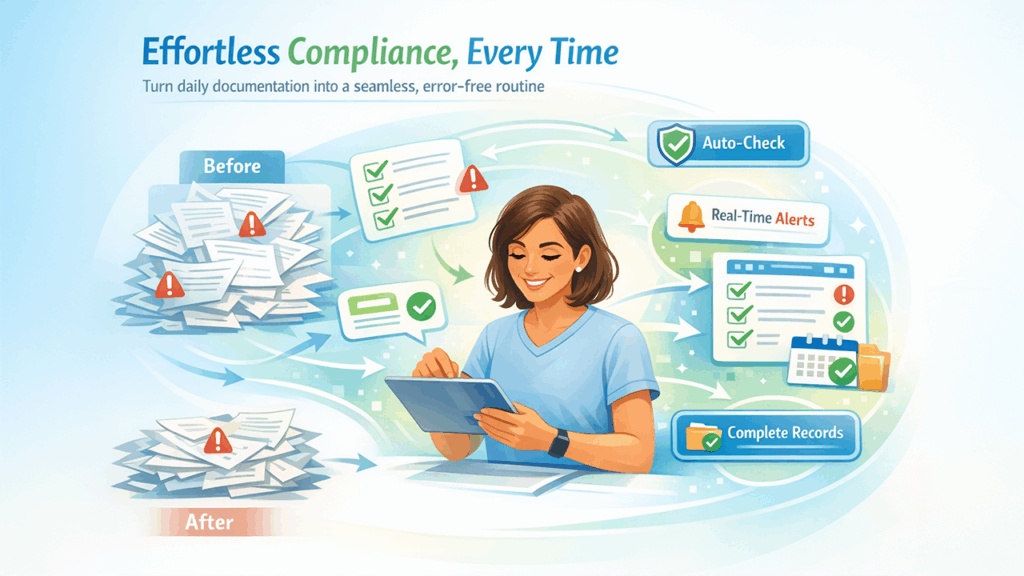
In most behavioral health centers, compliance feels like an extra job. Staff focus on patient care. They’re busy with calls, notes, therapy sessions and schedules. Then, at the end of the day, they’re expected to review records.
The behavioral health chart audit tool makes compliance part of the process. As staff complete their documentation, the system checks it. It flags what’s incomplete or incorrect. That means fewer end-of-week surprises.
It also gives reminders. If a patient’s treatment plan hasn’t been updated or a signature is missing, it notifies staff right away. No one has to remember everything by themselves.
Over time, this builds good habits. Documentation becomes accurate by default. Staff stop worrying about missing something.
Meeting HIPAA Rules With Confidence
HIPAA covers data protection, storage and sharing. It’s not just about keeping files safe. It’s about controlling access and preventing exposure.
A behavioral health chart audit tool supports that by tracking who opens what. It creates an audit trail that shows every action. Leaders can see when notes were updated, who made the change and why.
If there’s ever a question, the records are there. This protects both the staff and the organization. It proves that the team followed proper procedures.
It also reduces stress for staff. They don’t have to memorize every detail of HIPAA. The tool acts as a built-in reminder. It keeps things organized and transparent.
Staying Compliant With 42 CFR Part 2
42 CFR Part 2 protects people in substance use treatment. It limits how information is shared between programs, payers or outside providers. Many facilities struggle with it because it’s detailed and specific.
A behavioral health chart audit tool helps with that too. It keeps consent forms updated and ensures data stays within allowed boundaries. Staff can see instantly if a file is shareable or restricted.
If a patient withdraws consent, the tool updates that across all records. That stops information from being shared by mistake. It turns what used to be manual tracking into automatic compliance.
That’s powerful. It keeps programs trustworthy and protects patient privacy the way it should be.
Saving Time Without Cutting Corners
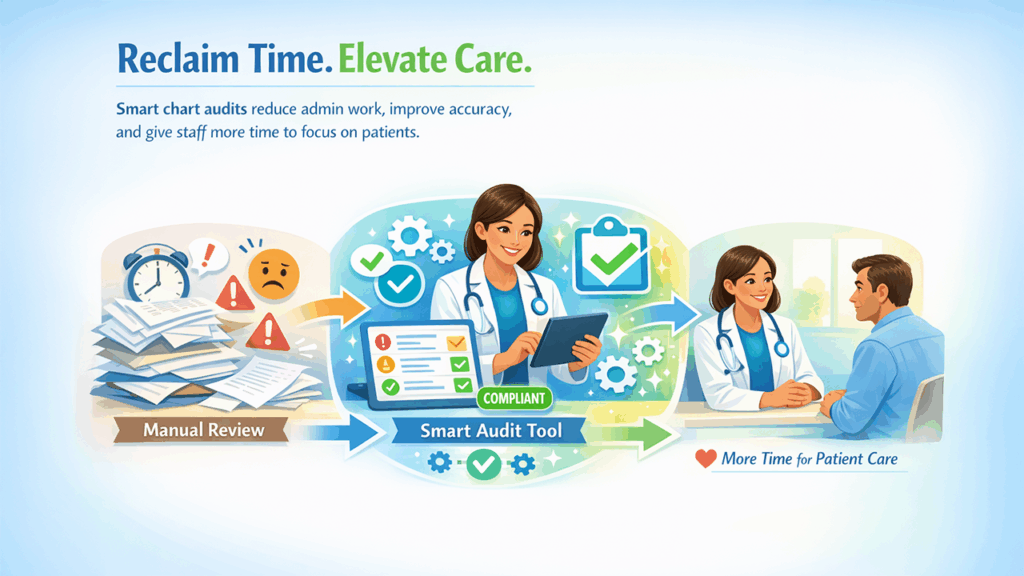
Staff spend hours checking records by hand. They re-read old notes. They double-check signatures. It’s slow and stressful.
With the right chart audit tool, staff save time without losing quality. They can finish documentation faster because the system guides them. It highlights what’s missing or out of date. It makes compliance faster and more reliable.
The saved time really adds up. Staff spend less time hunting through paperwork and more time helping patients enagement. Patients notice when staff have more time to listen.
Better Communication Between Teams
Behavioral health work depends on communication. Counselors, nurses and case managers all need to stay aligned. When records are unclear or incomplete, mistakes happen.
The behavioral health chart audit tool brings everything together. It shows every team member the same updated view. If one person updates a note, others see it right away. There’s no confusion about what’s current.
That improves teamwork. It also helps supervisors see how care is going across all programs. They can spot weak areas and improve them before problems grow.
When staff communicate clearly, care improves naturally.
Data That Guides Real Decisions
Regulations are one side of compliance. The other is understanding what is actually happening. A behavioral health chart audit tool turns raw data into insights.
Leaders can spot which programs are working and which need a bit of work. They notice patterns too, like when mistakes in documentation pop up on certain shifts.That’s real-time feedback that drives change.
Data becomes a guide, not a report that sits in a folder. Staff learn from it. Leaders plan better. Patients benefit from a stronger, more organized system.
Building a Culture of Compliance
The point isn’t only to avoid fines. The point isn’t to make compliance a chore. Staff notice when the system actually helps them. Then they can spend time with patients instead of stressing over forms.
Audits stop feeling intimidating or tricky. They just become part of the daily routine. They just become another part of the day that makes sense. A behavioral health chart audit tool turns compliance from pressure into practice.
That’s how sustainable change happens. After a while, programs begin to run smoother. Staff turnover drops because people feel supported. Patients get better results because care stays steady and compliant.
Conclusion
Compliance with HIPAA and 42 CFR Part 2 isn’t easy. It takes awareness, consistency and the right tools. A behavioral health chart audit tool gives staff what they need to handle it confidently.
It keeps data secure, documentation complete and every process audit ready. It cuts down on wasted time, helps staff avoid mistakes and makes patients trust the team more.
At the end of the day, it’s not just about rules. It’s about giving care that’s private, correct and dependable. When following compliance feels natural instead of forced, everything works better for everyone.
%201.png)

%201.png)

%201.png)