




The transition from traditional methods of communication to instant and digitally driven styles has led to a paradigm shift in how organizations share information with their target audience. Digital signage solutions are one of the most interactive ways to reach your customers. But what makes this type of solution really work? Digital displays have become popular due to their unique features and capabilities. This article will look at some of the major components that are needed to include in your digital signage in order to make it effective.
Clear Visuals and Readable Content
A good digital signage solution will offer visual clarity. You should use clean graphics, readable fonts, and bright colors to grab attention. Displays that are easy to comprehend even from a distance attract more engagement and responses from audiences. That's why it is important to have a clear layout to prevent confusion. This also ensures that your message is reaching faster for intended people. In order to make messages easy to understand, you must use images, icons, and colors strategically.
Relevant and Timely Information
Content on digital displays should always be timely and relevant. Organizations can build trust and increase engagement by showing audiences content that is relevant to them. Timely updates will alert your audience to major announcements or promotions. Scheduling content will ensure that you show the right message to your target audience at the right time. This level of accuracy builds credibility and engages the audience.
User-Friendly Content Management
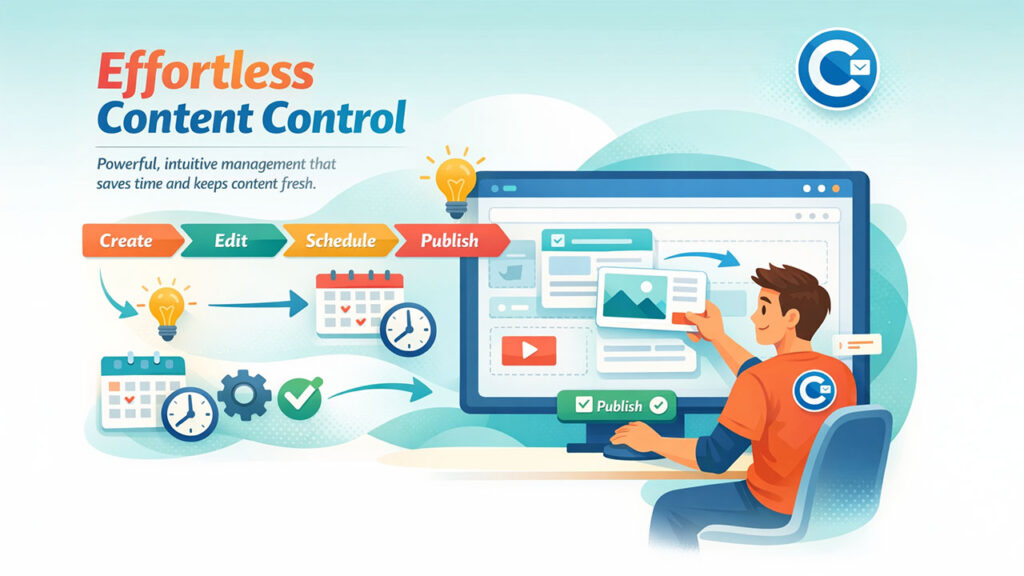
You need a solution that provides you with a user-friendly interface to manage content easily. It would be ideal if you could update content using drag-and-drop tools. If content can be scheduled, it will minimize the manual effort required by the administrator to update it at regular intervals. Straightforward management allows organizations to keep their visual content up to date without spending additional resources.
Scalability for Future Growth
A digital signage solution should be scalable, so new screens can be placed in more locations as needed. Scalability allows organizations to continue to grow without having to change providers. With centralized control, it allows you to control multiple displays from one location. This software can help you achieve long-term success without requiring a significant upfront investment.
Customizable Templates and Branding
To reinforce identity in branding, consistency is crucial. Customizable templates can help you save time and effort by allowing you to communicate your brand’s voice accurately that resonates with people. They also ensure consistency across various screens and different messages. Familiar colors and logos help the audience to remember your brand and fosters loyalty among them.
Interactive Features for Engagement
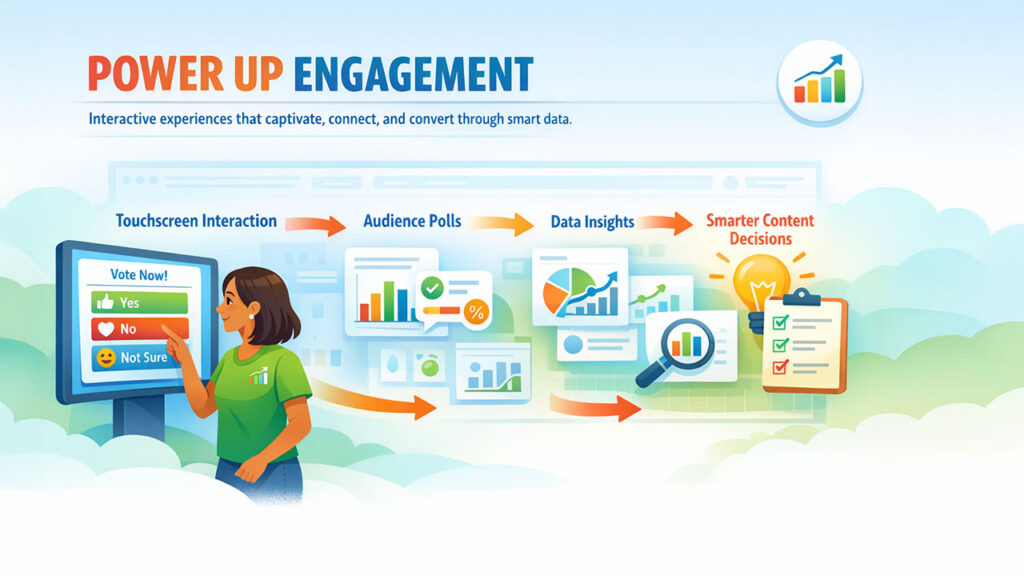
Interactivity immerses viewers into the experience. Touch screens featuring polls and feedback will encourage them to engage. Engaged audiences remember messages better. Tools like audience polls offer valuable data on what type of content resonates with audiences. Integrating your digital signage with customer interaction management software can help you track and analyze these engagement patterns more effectively. This data can help businesses make better decisions about their content strategies in the future.
Adaptability to Different Environments
You can see digital signage in places like retail stores, workplaces, and public places. A good solution can perform well in every environment. To handle outdoor conditions, weather-resistant displays are used. It ensures that bright screens are visible even in sunny spots. Configurability allows for digital signage to work and look great in any space.
Reliable Hardware and Software
Reliability is an important factor for digital signage. Durable hardware will minimize repair costs. Software that works reliably ensures seamless delivery of content. Regular updates its efficiency and security. To smoothly run operations, it is best to invest in solid equipment and platforms that are well-known and credible.
Remote Monitoring and Troubleshooting
Management tasks can be handled easily with remote access capabilities. Administrators can monitor screens and even diagnose problems from any location. Early detection of issues can successfully prevent disruptions. Remote access also allows for prompt updates and quick repairs which reduces the need for on-site visits.
Integration With Other Systems
A versatile digital signage solution should be integrated with other existing platforms. Integration with scheduling tools, social feeds, and event calendars makes content management easier. Automatic updates can significantly reduce the time and effort that is spent on manual work. This allows you to shift your focus on more important tasks that require attention. Data-driven displays offer personalized experiences.
Conclusion
A digital signage solution should provide crisp imagery, timely content, and easy-to-use tools. Scalability, branding, and interactivity improve audience engagement. Reliability, adaptability, and integration with other networks support organizational objectives. Security updates, features, and regular checks help significantly to ensure that high standards are maintained. Shifting focus on these important aspects will help organizations drive real, positive results.
%201.png)

%201.png)

%201.png)