





Best for: It is an ideal option for small to medium size businesses (SMBs), Agencies, WooCommerce, SaaS, and Scaling Websites.
Choosing the right managed cloud hosting provider in 2026 is no longer just about uptime. It’s about scalability, infrastructure quality, performance under load, and how easily you can manage everything without needing a DevOps team.
Some providers prioritize simplicity, others focus on flexibility, and some are built for raw performance. The right choice depends on your technical experience, business needs, and long-term growth plans.
Below is a complete, in-depth comparison of the best managed cloud hosting providers in 2026.
1. ScalaHosting-Best Overall Managed
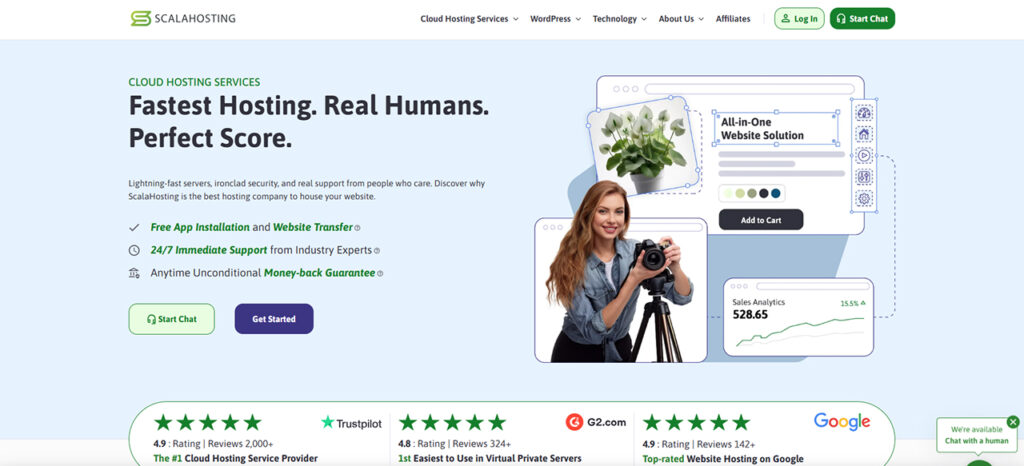
Best for: SMBs, Agencies, WooCommerce, SaaS
ScalaHosting’s managed cloud solutions deliver one of the most balanced hosting environments in 2026, combining powerful VPS infrastructure with a fully managed experience. This makes them an ideal choice for businesses that need high performance without the burden of technical complexity.
Unlike many competitors, ScalaHosting has built its own ecosystem, including SPanel and SShield, reducing reliance on third-party tools and improving cost efficiency.
Key Features
- Managed cloud VPS with scalable resources
- SPanel (cPanel alternative with no licensing fees)
- SShield real-time security protection
- NVMe storage for high-speed performance
- LiteSpeed support for better concurrency
- Free website migration
- 99.9% uptime guarantee
- 24/7 expert support
Infrastructure and Architecture
- Own data centers in the US and Europe
- Optional AWS-based deployment for global reach
- Dedicated resources per VPS environment
Performance
- NVMe storage improves read/write speeds
- LiteSpeed enhances performance under load
- Stable during traffic spikes
Flexibility
- Full root access
- Custom configurations
- Developer-friendly environment
Pricing
- Predictable monthly pricing
- No additional control panel fees
Pros
- Excellent cost-to-performance ratio
- Scalable without complex migrations
- Strong built-in security stack
Cons
- Smaller brand recognition
- Smaller ecosystem compared to hyperscalers
Best Use Cases
- Growing eCommerce stores
- Digital agencies
- SaaS platforms
2. Cloudways-Best for Multi-Cloud Flexibility
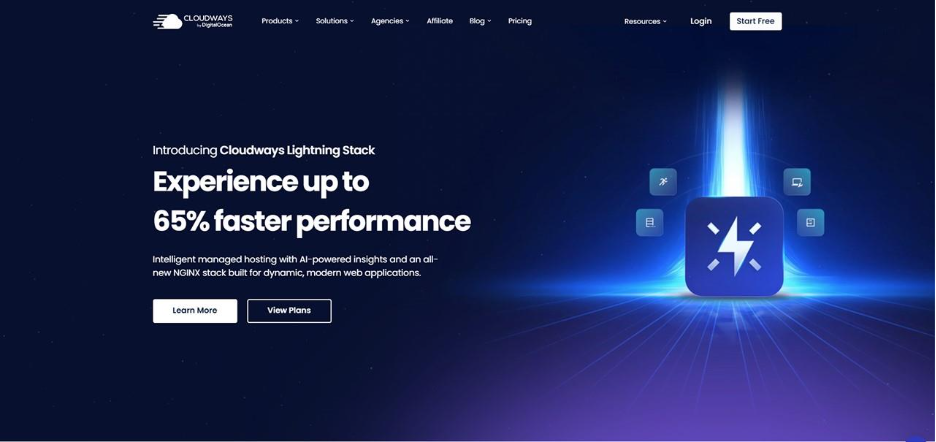
Best for: Developers, Agencies, Technical Teams
Cloudways acts as a management layer on top of major cloud providers like AWS and Google Cloud. It allows users to choose their infrastructure while still benefiting from managed hosting features.
This flexibility makes it powerful but also adds complexity.
Key Features
- Multi-cloud support
- Pay-as-you-go pricing
- Optimized performance stack
Infrastructure
- AWS
- Google Cloud
- DigitalOcean
- Vultr
Performance Stack
- NGINX
- Varnish
- Redis
Flexibility
- Choose provider and region
- Customize server resources
Developer Features
- Staging environments
- Git integration
Pricing
Separate infrastructure and platform costs
Pros
- Highly flexible
- Strong performance potential
- Developer-friendly
Cons
- Complex pricing structure
- Less direct infrastructure control
- Can become expensive at scale
Best Use Cases
- Agencies with dev teams
- SaaS MVPs
- Custom deployments
Also Read: What is Bare Metal Server Hosting and its Benefits?
3. SiteGround - Best for Simplicity and Support

Best for: Small Businesses, WordPress Users
SiteGround is known for its ease of use and high-quality customer support. It focuses on providing a stable hosting experience without requiring technical expertise.
It performs best for small to medium-sized websites.
Key Features
- Managed WordPress hosting
- Google Cloud infrastructure
- Daily backups
- Built-in caching
Performance
- Consistent and reliable
- Optimized for WordPress
Support
- Fast response times
- Beginner-friendly
Scalability
Limited compared to VPS hosting
Pros
- Excellent support
- Easy setup and management
Cons
- Limited scalability
- Higher renewal pricing
Best Use Cases
- Small business websites
- Blogs
- Content-driven sites
4. Hostinger — Best Budget Hosting Option
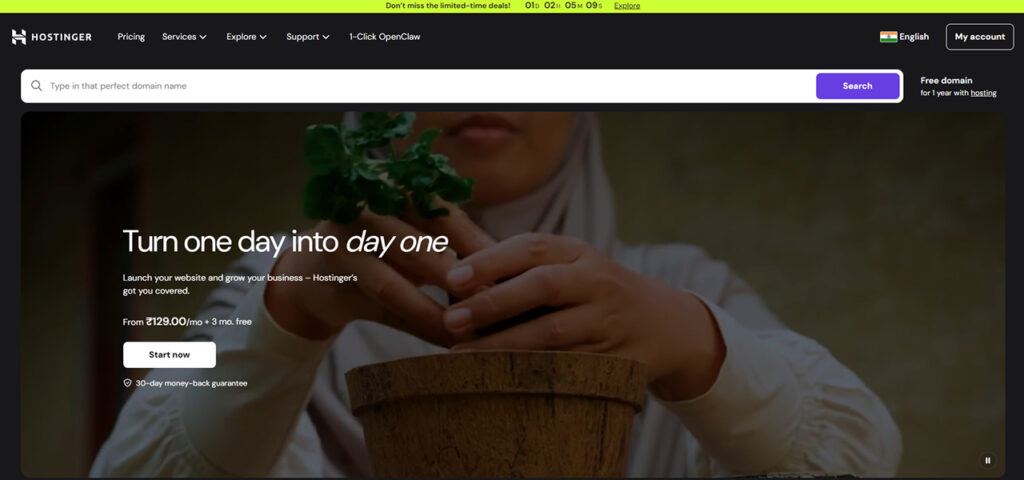
Best for: Beginners and Low-Budget Projects
Hostinger is designed to make hosting accessible with very competitive pricing and a simple interface. It’s a common starting point for new website owners.
However, it is not designed for demanding or high-traffic projects.
Key Features
- Low-cost plans
- Simple control panel
- Fast setup process
Infrastructure
Cost-optimized architecture
Performance
- Good for small websites
- Performance decreases under heavy load
User Experience
Very beginner-friendly
Support
Adequate but sometimes inconsistent
Pros
- Very affordable
- Easy onboarding
Cons
- Limited scalability
- Not suitable for high-performance applications
Best Use Cases
- Personal websites
- Small business sites
- Starter projects
5. Liquid Web — Best Premium Managed Hosting
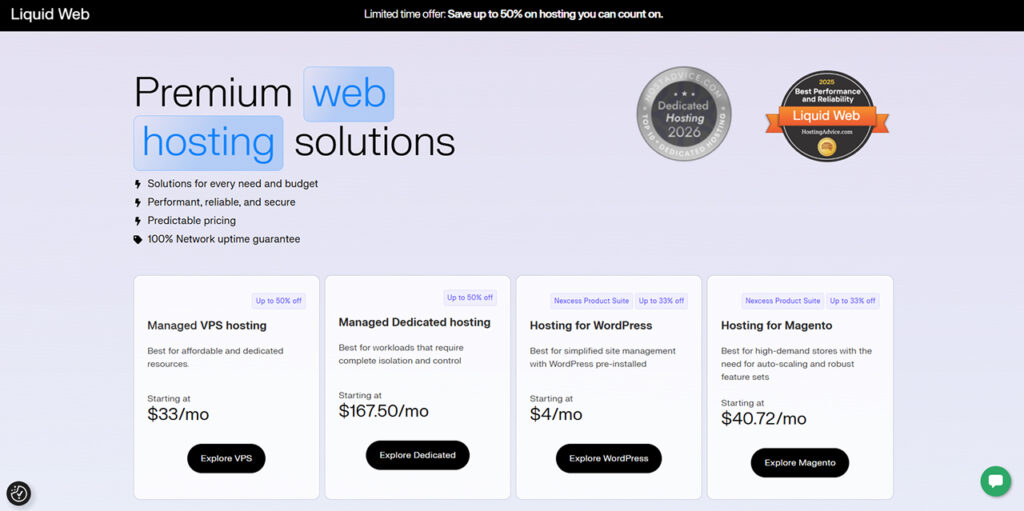
Best for: Mission-Critical Websites
Liquid Web offers premium managed hosting designed for businesses that cannot afford downtime or performance issues.
It is built for reliability, performance, and expert-level support.
Key Features
- Fully managed hosting
- High-end infrastructure
- Premium support
Infrastructure
- Enterprise-grade servers
- Private cloud environments
Performance
- Excellent under heavy load
Support
- Highly responsive
- Expert-level
Pricing
- Premium pricing
Pros
- Very reliable
- Top-tier support
Cons
- Expensive
- Not ideal for small projects
Best Use Cases
- Enterprise websites
- High-traffic platforms
- Large eCommerce stores
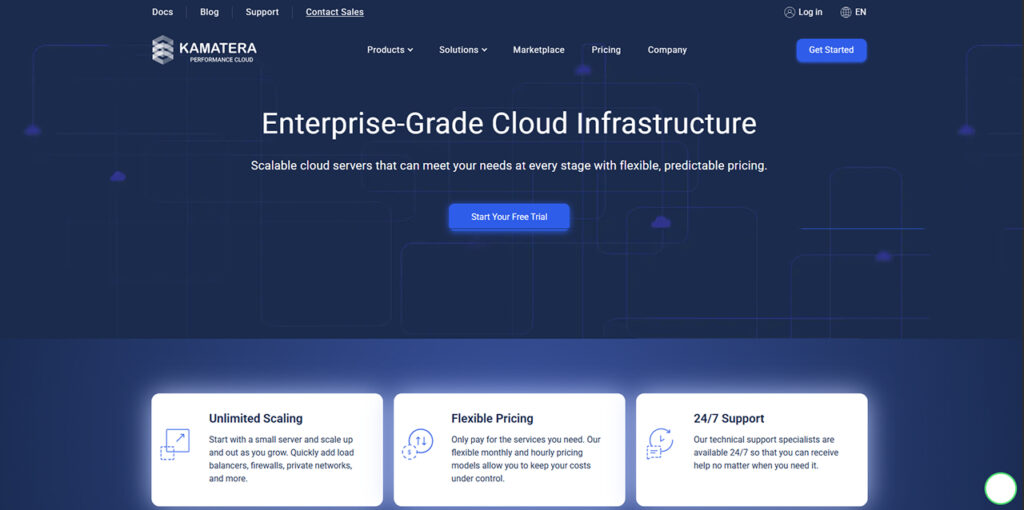
6. Kamatera — Best for Full Infrastructure Control
Best for: Developers and SaaS Companies
Kamatera provides highly customizable cloud infrastructure similar to AWS. It offers full control over server environments but requires technical knowledge.
Key Features
- Custom server configurations
- Global data centers
- Instant scaling
Performance
- High performance depending on setup
Flexibility
- Full infrastructure control
Limitations
- No managed layer
- Requires technical expertise
Pros
- Extremely flexible
- Highly scalable
Cons
- Complex
- Not beginner-friendly
Best Use Cases
- SaaS platforms
- Developers
- Custom applications
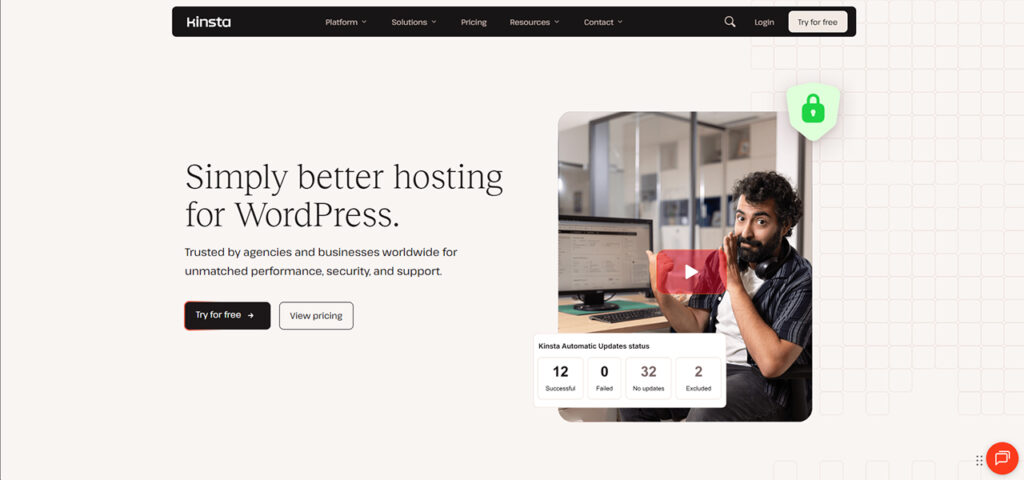
7. Kinsta — Best Premium WordPress Hosting
Best for: Agencies and WordPress Businesses
Kinsta is a premium hosting provider built exclusively for WordPress. It focuses on speed, security, and user experience.
Key Features
- Google Cloud infrastructure
- WordPress optimization
- Custom dashboard
Performance
- High-speed WordPress hosting
User Experience
- Clean and polished interface
Pricing
- Premium
Pros
- Fast and reliable
- Excellent UX
Cons
- WordPress-only
- Expensive
Best Use Cases
- Agencies
- Publishers
- WordPress businesses
8. WP Engine — Best Enterprise WordPress Platform
Best for: Large WordPress Businesses
WP Engine provides enterprise-grade WordPress hosting with advanced tools and workflows for large teams and complex projects.
Key Features
- Advanced security
- Developer workflows
- Enterprise tools
Performance
- Strong and stable
Pricing
- Premium
Pros
- Secure
- Scalable
- Strong ecosystem
Cons
- Expensive
- Complex setup
Best Use Cases
- Enterprise WordPress
- Large organizations
Final Verdict
There is no single hosting provider that fits every use case.
However, for most small to mid-sized businesses and growing websites, ScalaHosting offers the best balance between performance, scalability, ease of use, and cost efficiency in 2026.
Related Posts:
Best Cloud Security Tools: 10 Essential Platforms for Enterprise Protection
What Is CRM Hosting? Types, Comparison & How to Choose the Right Solution
%201.png)

%201.png)

%201.png)