




Technology has a huge role in almost all organizations. Stable and dependable systems simply ensure the operations are seamless. But this productivity can be interrupted by sudden problems. This is where proactive IT support comes in handy, as it minimizes these disruptions, allowing organizations to keep moving forward.
Understanding Proactive IT Support
Businesses encounter numerous technical issues that hinder the workflow. In a proactive support environment, IT service providers such as ThrottleNet and their technical teams anticipate potential disruptions before they occur. Instead of being reactive, this strategy is proactive and involves regular monitoring and maintenance. This, in turn, leads to fewer distractions during a user's day-to-day activities.
Preventing Security Threats
Cybersecurity remains a top priority. IT support teams take a proactive approach to monitor vulnerabilities. By running system updates regularly and applying security patches as needed, the likelihood of subtle exploits is mitigated. That continued vigilance serves to safeguard sensitive information and engenders trust among staff and clients. Detecting threats, identifying them promptly, and resolving them also reduces the likelihood of data loss. Integration of modern business security systems with proactive IT support develops a comprehensive defense strategy that will cover both digital and operational vulnerabilities in the organization.
Minimizing Downtime
Unscheduled outages can halt productivity. By proactive monitoring, weak links in the technology infrastructure can be detected. It is better to address these vulnerabilities before they reach this point, as downtime is less likely to occur. Regular system checks and proactive measures ensure that essential services continue to stay online. This allows employees to concentrate on their work without constant distractions.
Improving System Performance
Well-maintained technology performs efficiently. Routine updates and maintenance keep devices operating like new. Proactive teams solve small issues before they jeopardize performance. All this attention to detail ensures that a slow response time or a crashing system does not occur. Employees get tools that are faster and more reliable, and they can all function more effectively overall.
Supporting Employee Productivity
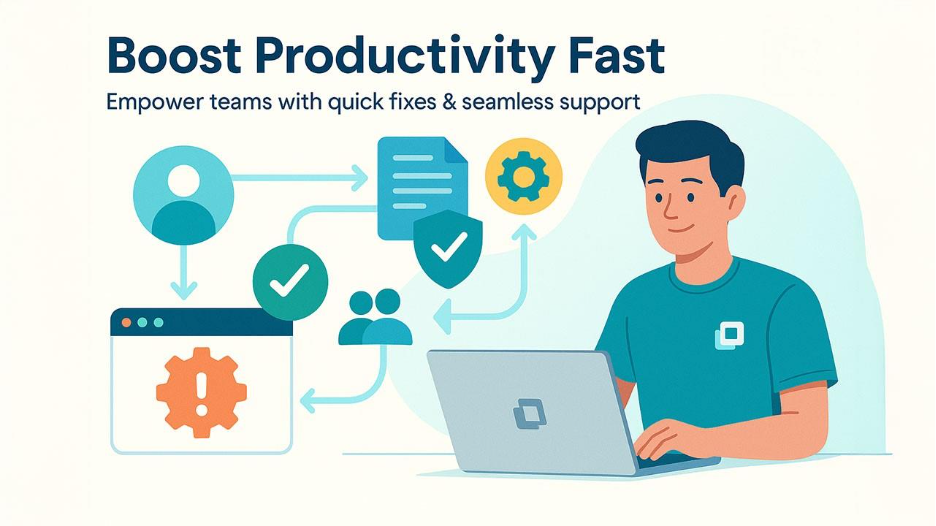
Setbacks, such as technical glitches or issues, can quickly frustrate employees and disrupt workflow. Instead, proactive IT support allows for fast fixes so users spend less time waiting for assistance. Support teams conduct training sessions and provide easy-to-use materials, enabling individuals to address minor faults independently. Being able to resolve issues in a timely manner reduces bottlenecks and keeps the entire project going without hindering the morale of the team.
Improving Data Backup and Recovery
Accidental data loss can disrupt daily operations. Preventative steps are data backup and periodic recovery drills. These measures serve to not only ensure that critical information is safely stored but also readily accessible in time of need. By automating backups, the risk of permanent data loss is minimized, securing business continuity and keeping one's mind at rest.
Encouraging Strategic Planning
With reliable systems, organizations can focus all their efforts on growth. The support teams also take an avid interest in regular reviews of the technology requirements and make recommendations on what can be bettered. With this kind of progressive approach, there is balance as far as resource allocation versus operational objectives are concerned. Upgrades and replacements are planned to prevent last-minute surprises. This enables organizations to plan their budgets more effectively and helps prevent unnecessary expenditures.
Reducing Long-Term Costs
It is costlier to repair a critical failure than to solve problems in the initial phase. By being proactive with their IT support, they can reduce emergency repair jobs and costly system replacements significantly. Predictable maintenance costs also support effective budget management. Extending equipment life helps teams maximize the value of their existing resources. Organizations save costs while upholding high service levels.
Building Trust with Clients and Stakeholders
Clients and partners are reliant on a consistent service. When a system runs smoothly and experiences minimal downtime, people perceive it as a more effective organization. Proactive IT support demonstrates high standards. Such dependability instills confidence and creates enduring trade partnerships. Stakeholders can rely on consistent operations and clear communication.
Facilitating Compliance and Reporting
Many industries have strict regulatory requirements. Proactive IT teams monitor and maintain compliance, and create the reports needed. Automated tracking and logging makes audits easier. The organizations avoid hefty fines and reputational damage by being prepared for compliance audits. Performing reviews allows organizations to ensure all systems are at current standards and guidelines.
Supporting Remote and Hybrid Work
Reliable technologies are a prerequisite for flexible work arrangements. Proactive support enables remote staff to access information securely and efficiently through the necessary systems. Routine verification flags issues with connectivity and compatibility. Support teams address technical queries promptly to prevent remote teams from losing out on work. This allows organizations to provide flexible options without compromising on security or performance.
Driving Continuous Improvement Culture
Proactive IT support asks for regular feedback. Teams use this input to enhance processes and eliminate recurring issues. Open communication allows teams to arrive at a better solution, helping to foster teamwork. Through the continual evolution of technology and support practices, organizations grow stronger.
Conclusion
Anticipating issues and routine maintenance with proactive IT support reduces daily operating risks. Teams help keep systems humming by preventing issues from occurring in the first place. It enhances both productivity and security, enabling the protection of sensitive data and laying the foundation for sustainable growth. Proactive support instills trust, efficiency, and reliability in all operations.
%201.png)

%201.png)

%201.png)