




The cost of software bugs increases significantly when issues are detected late in the development lifecycle. The most effective way to reduce the cost of software bugs is to identify defects early using structured testing processes and dedicated tools. Teams that prevent expensive bugs from reaching production not only save budget but also protect their brand reputation and user trust.
To reduce the cost of software bugs in practice, modern QA teams rely on a combination of testing tools that cover different stages of the development lifecycle.
"The choice is clear: invest in proper testing now or pay much more later through production bugs, downtime, and lost revenue." — Michael Bodnarchuk, CTO Testomat.io
To better understand the financial impact and how timing affects your budget, you can explore detailed research on the cost of software bugs.
Top Tools That Help Prevent Costly Bugs
Below is a breakdown of the leading solutions that help QA teams reduce risks, improve visibility, and avoid expensive production issues.
1. Test Management Platform: Testomat.io
Testomat.io is a centralized test management platform designed to control the entire testing process and detect issues at the earliest possible stage. By unifying manual and automated tests in one place, teams can track execution and identify gaps before they turn into financial losses.
- Key Advantages: Centralized visibility, seamless CI/CD integration (GitHub, GitLab, Jenkins), and real-time analytics.
- Strategic Value: This reduces rework, shortens release cycles, and minimizes the financial impact of defects by catching them before they reach the end-user.
2. Performance Testing: Apache JMeter
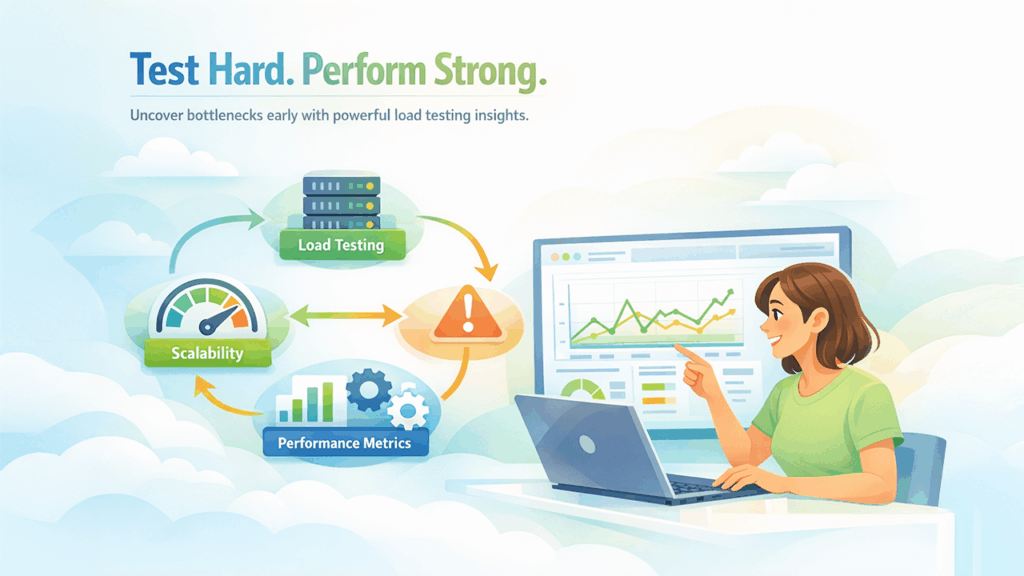
JMeter is an industry-standard tool for load and stress testing. It allows teams to identify performance bottlenecks and scalability issues before they cause system downtime.
- Key Advantages: Robust load testing capabilities and detailed performance metrics.
- Limitations: Requires technical expertise to configure complex test scenarios.
3. Security Testing: OWASP ZAP
OWASP ZAP helps teams find security vulnerabilities—such as SQL injection and XSS—early in the development process, preventing costly data breaches.
- Key Advantages: Automated vulnerability scanning with both active and passive testing modes.
- Limitations: Requires fine-tuning to minimize false positives in complex web environments.
4. UI Testing: Cypress
Cypress is a modern automation framework used for end-to-end testing. It simulates real user behavior to ensure the front-end performs reliably under various conditions.
- Key Advantages: Fast execution, excellent developer experience, and real-time reloading.
- Limitations: Primarily focused on web applications; not designed for deep security or performance audits.
5. Cross-Browser Testing: Selenium
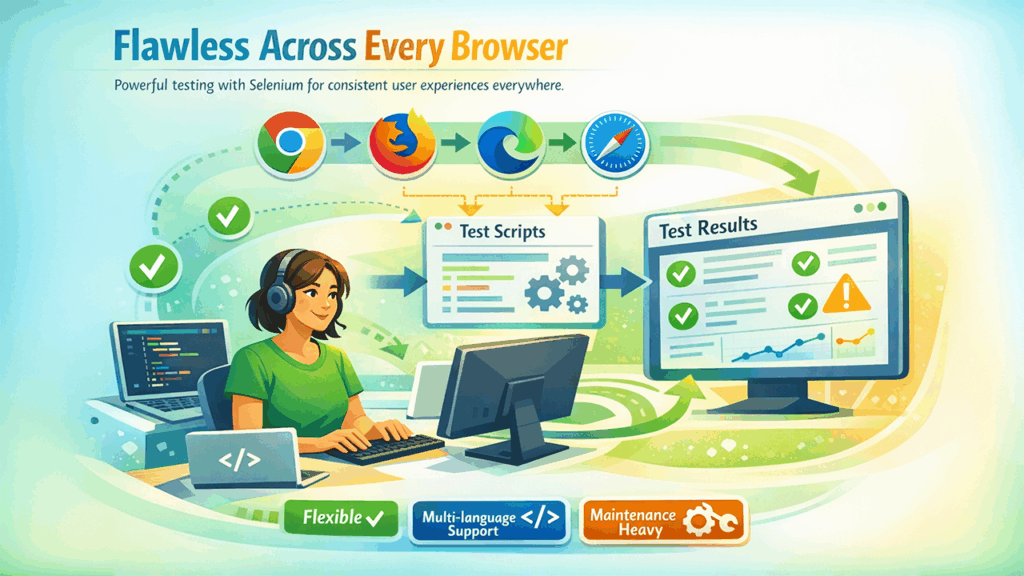
Selenium remains a flexible choice for validating application behavior across different browsers, ensuring a consistent user experience.
- Key Advantages: Highly flexible and supports multiple programming languages.
- Limitations: Can be maintenance-heavy for large-scale automation suites.
How These Tools Reduce Bug Costs
By integrating these tools into a unified strategy, teams achieve a more efficient QA process:
- Early Detection: Issues are found during the implementation phase, where they are 10x–15x cheaper to fix. Pairing your QA stack with dedicated Bug Tracking Tools ensures that every detected issue is logged, prioritized, and assigned, so nothing slips through the cracks between your testing and development teams.
- Repeatability: Automated tests ensure that new changes don't break existing functionality (regression testing).
- Full Visibility: Stakeholders gain a clear view of risks and testing coverage, enabling data-driven release decisions.
How to Choose the Right Stack
When selecting your QA stack, focus on these three pillars:
- Visibility — Can you see exactly what is tested and where the risks lie?
- Integration — Does the tool fit naturally into your existing CI/CD pipeline?
- Scalability — Will the tool support your product as your user base and traffic grow?
The most effective approach is combining specialized automated tools with a centralized test management platform to maintain a "single source of truth" for quality.
Final Thoughts
The ROI on quality assurance is not theoretical. Every dollar spent on comprehensive testing and proper test management saves between $5 and $10 in the avoided cost of a software bug found in production. The teams that win are not those who avoid bugs completely, but those who detect and manage them early — before they turn into real costs.
%201.png)

%201.png)

%201.png)