




This is pretty frustrating because when the image is blurred or hazy during a perfect moment of capture, it's as if memories saved in the photo have been lost. Of course, not all blurs can be completely removed, but it can significantly improve a great number of images. Below, it has been explained how to fix fuzzy pictures, repair corrupted photos, and improve photo quality by using simple tools, advanced software, and state-of-the-art AI solutions. By the time you finish reading, you will be able to understand how to fix a blurry picture effectively from mild blurring up to serious file corruption.
Part 1: Diagnosis: Why Is Your Picture Fuzzy?
Before trying to fix blurry images, it’s important to understand the cause. One finds the right solution once they have a proper diagnosis.
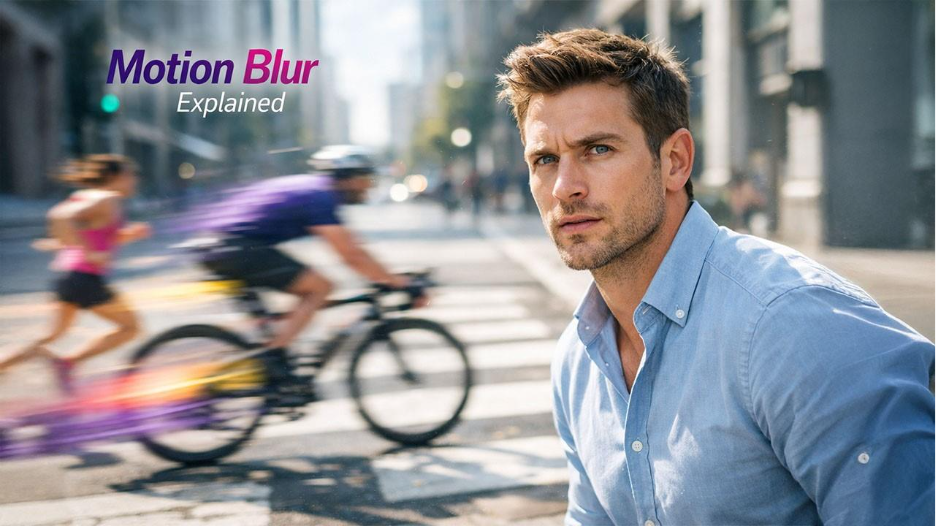
Motion Blur
A muscular or directional blur happens when the subject or camera is moving during shooting. Movement blur often occurs in low-light environments and at high speeds of shooting. Grasping this point will indicate whether you just need a simple sharp process or an advanced AI tool.
Out of Focus
If the main subject is fix fuzzy pictures but it is clear in the background, it means the camera had not focused properly. Fixing the blur due to out of focus is challenging. However, fixing certain software technologies could help improve image quality.

Low Resolution / Pixelation
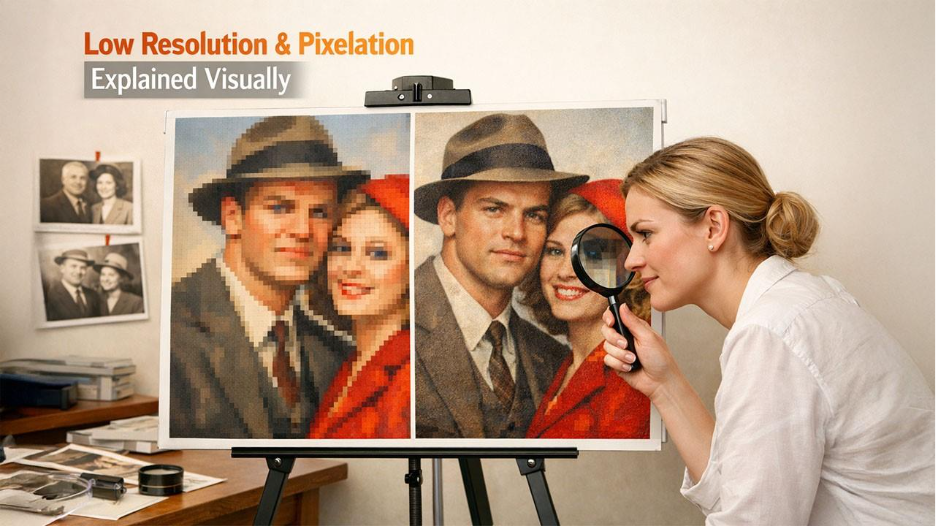
When enlarged, you can see blocked edges or jagged lines. This is not a blur but a lack of image data. Sharpness can be improved somewhat, but there is a limit of image quality improvement depending on the original resolution.
Compression Artifacts
Excessive editing and multiple saves in JPEG format cause "blocks" and strange patterns. This reduces sharpness and may cause the image to blur. Basic sharpness processing is effective, but AI tools may produce better results.
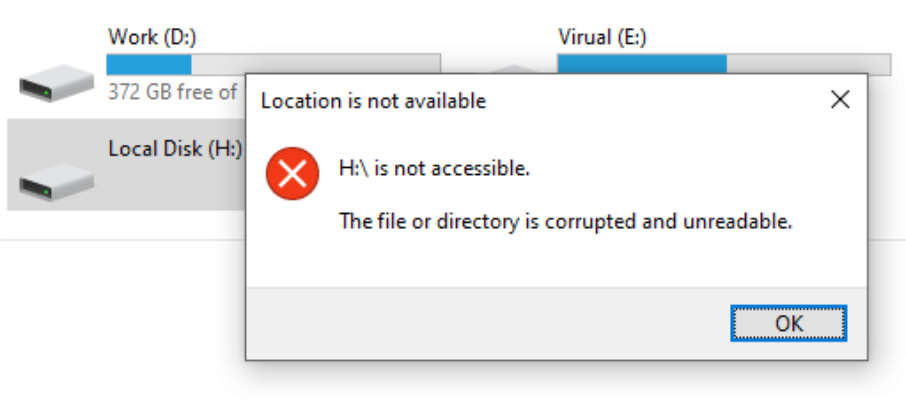
File Corruption: The Hidden Issue
When the image becomes a gray/black block, it cannot be opened, and extreme distortion occurs. This is file corruption, not normal blurring. Standard fix fuzzy pictures cannot repair corrupt files. Before attempting sharp processing, file repair is essential first.
Part 2: Quick Fixes & Built-in Tools (For Minor Issues)
Slight softness and light blurring do not necessarily require advanced software. Start with a standard mounting tool.
Use Your Phone or Computer Editor
This kind of photo editing ability is found on most devices in some form or another. Look for sliders like Sharpness, Clarity, Contour Emphasis, and gently move them to enhance the image quality without resulting in unnatural edges. Similar features are available in Windows Photos, Mac Photos, Google Photos, and smartphone gallery apps. Fine tuning is the best. If sharpness is overapplied, image quality can deteriorate.
Quick Online Tools
You can blur online images with free web tools. Tools like Enhancer.Photo offer convenient solutions for quick modifications, but please avoid uploading personal photos because files are processed on an external server. Most effective for mild softness or slight motion blur.
Best Use Cases
These methods are ideal for slightly fix fuzzy pictures and minor focus problems. It is not possible to repair serious motion blur, low resolution image, or corrupt file.
Part 3: Advanced Editing: Using Software like Photoshop
For medium blurred images, the integrated tools may not work well. With professional software like Photoshop, you can unblur photo with the latest technology.
Technique 1: Smart Sharpen / Unsharp Mask
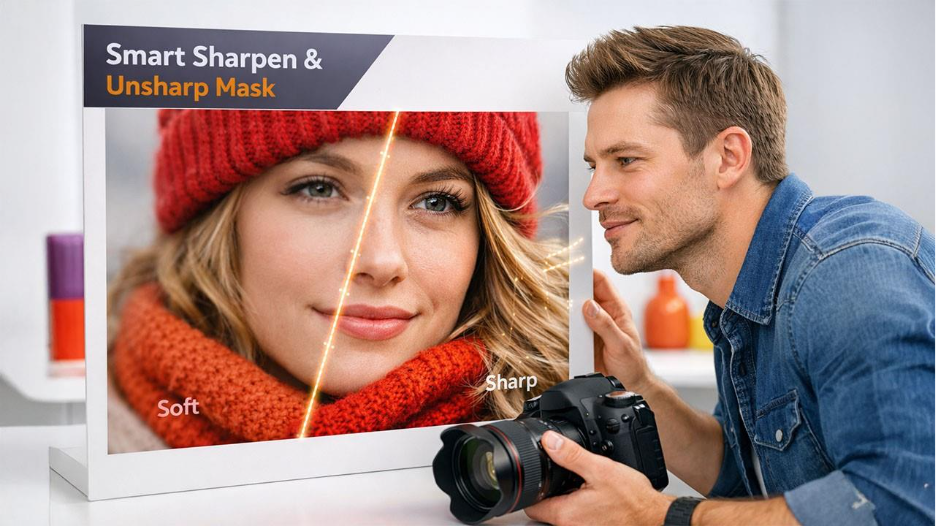
Smart sharp and unsharp masks are effective by enhancing the edge contrast of the photo. When the edge becomes sharp, the whole image looks sharp. Smart Sharp allows you to adjust the quantity and radius, reduce noise and avoid excessive sharpening photos. Unsharp masks are simpler but help improve photo quality by making details clearer. Both techniques are ideal for images with mild to medium softness.
Technique 2: Shake Reduction

Photoshop's shake correction filter targets the blur caused by the camera shake. By analyzing the trajectory of movement and reversing its effect, it reduces the muscular blur of the image. It is effective for small movements, but it may be difficult to respond to large irregular breathing patterns.
Limitations of Advanced Editing
- Cannot create missing details: Smart sharp and shake correction tools can enhance existing edges but cannot generate details that did not exist during shooting.
- Severely blurry images may remain fuzzy: If the original photo is significantly out of focus, the effect is limited.
- Corrupted files cannot be fixed: These filters are only valid for readable image data. Damaged files need to be repaired in advance.
- Risk of unnatural effects: Excessive sharp processing can cause halo, noise, and excessive texture.
- Motion blur limitations: Shake correction is ideal for small and uniform blur. Large and complex movement patterns may not be fully correctable.
Part 4: The Cutting-Edge & Specialized Solutions
The fix fuzzy pictures or damaged photos cannot be fully restored by traditional editing methods. In such cases, state-of-the-art AI tools and specialized software offer more influential options than basic photo sharpness adjustments.
AI-Powered Deblurring Tools
The new AI model can intelligently rebuild missing or obscure details in the image. Tools such as Remini and VanceAI analyze patterns and textures in photos to restore sharpness and highlight edges. If you're looking for step-by-step guidance on how to unblur images using AI technology, specialized tutorials can walk you through the entire process. These AI-powered blur removal tools are superior to motion blur, slight focus deviation, and other serious fix fuzzy pictures. These tools are powerful, but you need to be careful to use them. Uploading sensitive or private photos to an online server can cause privacy issues, so only non-sensitive images should be processed in this way.
Repairing Corrupted Photo Files
The problem is not just a blurring of photos; it can be file corruption. Errors during transfer, incomplete storage and storage issues can cause the image to get corrupted, severely distorted, gray blocked, or unable to open. In such cases, standard editing and AI blurring tools are useless because corrupt files cannot be read.
Dedicated Photo Repair Software
Here 4DDiG specialized tools like Photo Repair are essential. These programs are designed to repair corrupt files (JPEG, CR2, NEF, etc.) by rebuilding corrupt structures. The process is simple: Add corrupt files to restore the software to browsable status. After restoration, you can use AI photo sharpening and traditional editing tools to further fix the remaining blurring.
4DDiG Photo Repair addresses critical issues that many guides ignore. It is the first step against serious corruption and ensures that even severely damaged files can be saved and improved.
Part 5: Prevention Tips & Final Advice
Follow these simple rules to prevent future problems:
- Use a tripod or stabilize the camera to reduce the shake.
- Always focus on the subject before shooting.
- Take as high resolution as possible.
- Store backups of original files to avoid later repair work.
- These steps minimize the need for modification and protect your precious memories.
Conclusion
Repairing blurred or corrupted images requires an appropriate approach according to the type of problem. Mild blur is best addressed with built-in editors and online tools. Advanced software such as Photoshop is effective for medium blur. For serious fix fuzzy pictures and damage, you need a sharpen photo feature with AI and a dedicated repair software like 4DDiG Photo Repair. By accurately diagnosing images and applying appropriate solutions, you can restore important memories, improve photo quality, and effectively unblur photo. Remember It is easier to prevent than repair. Keep backups in place to protect your images by keeping them down, focusing carefully and protecting them.
%201.png)

%201.png)

%201.png)