



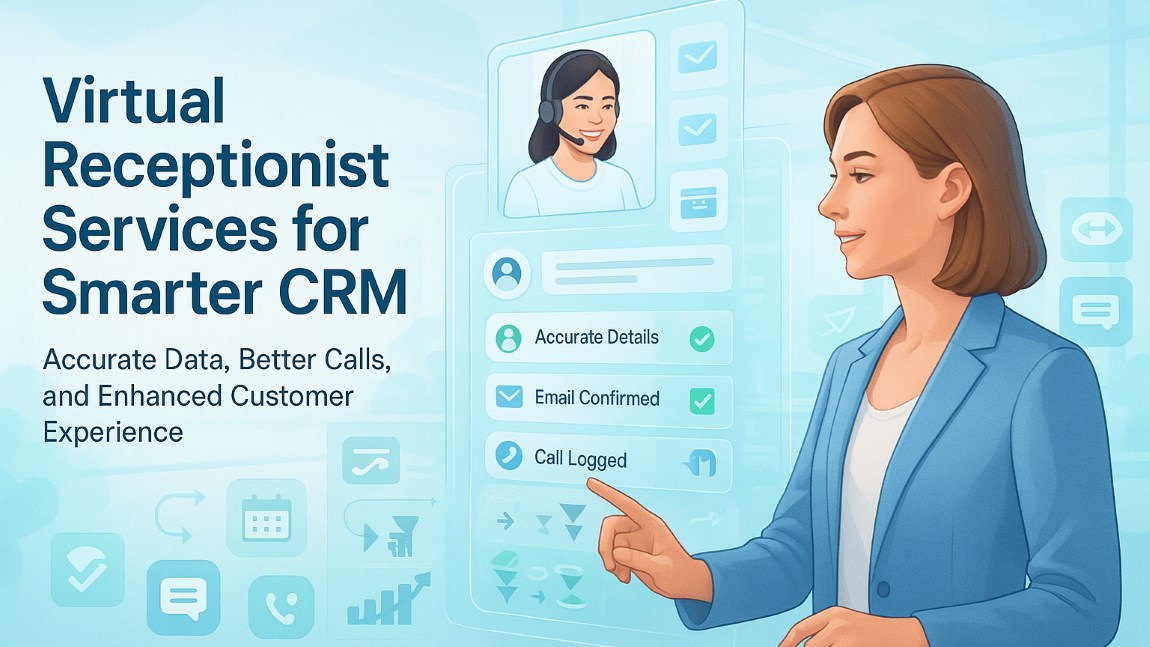

CRM systems work best when customer details are captured clearly and stored in an organised way. Many teams still struggle with this during live calls, especially as call volume grows with more remote communication. These pressures often lead to incomplete or inconsistent records. These issues also influence how customers feel during each interaction, so the impact reaches far beyond internal systems.
The Problem With Traditional Call Handling
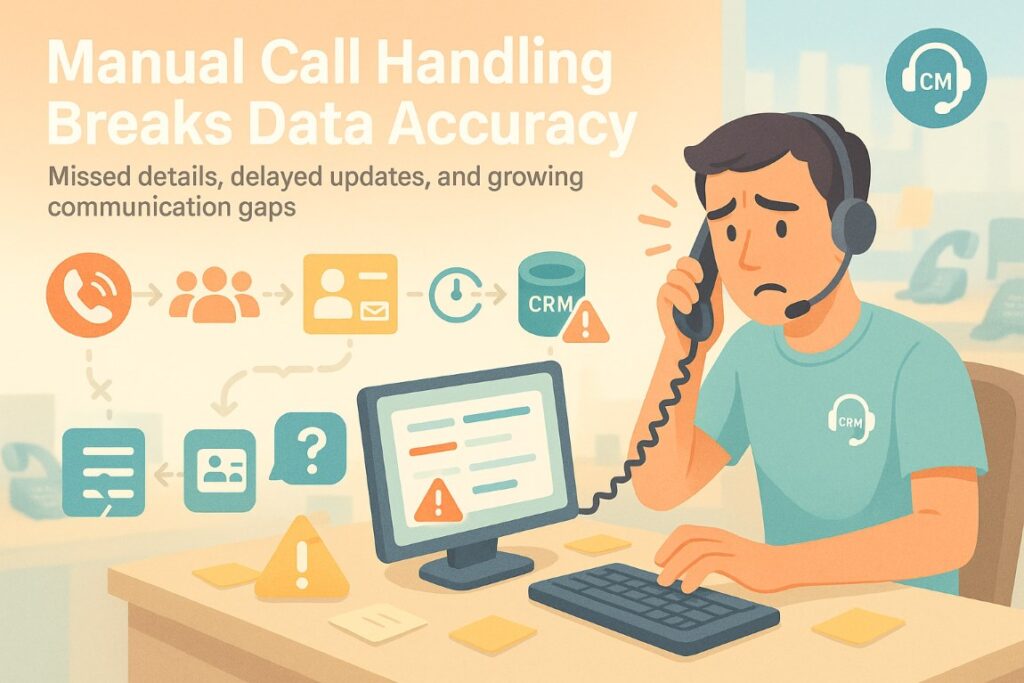
Live calls move quickly, which often leads to uneven data capture. Traditional setups also rely heavily on staff availability, so quality varies throughout the day.
Why Manual Processes Create Data Gaps
Manual call answering often results in different people handling calls in different ways. This inconsistency increases the chances of missing or mishearing details such as phone numbers, email addresses, or appointment notes. When staff become busy, CRM updates are usually delayed, which creates gaps in the record. These gaps affect reporting, follow-up, and overall communication. As these issues accumulate, customer support becomes harder to manage.
Why Virtual Receptionist Services Are Rising in Demand

Many companies want a more stable way to manage incoming calls. They also want customers to receive the same level of service every time. Many companies now rely on Australian virtual receptionist services or the ones operating in their specific location to gather structured customer information, support smoother conversations, and send clean data directly into their CRM platforms. Virtual receptionists help fill this need by providing steady coverage throughout the day.
Customers reach a trained receptionist quickly, which reduces the number of dropped calls. The experience is more consistent, regardless of how busy the office becomes. This support also helps small businesses and hybrid teams that can't keep someone by the phone at all hours. With dependable coverage during business hours, companies can adjust to changing call volume without lowering service quality.
How Virtual Receptionists Strengthen CRM Data Quality
Better data quality begins at the moment a call is answered. Virtual receptionists follow clear steps that help keep CRM entries accurate and easy to use.
Accurate and Consistent Customer Details
A structured intake process guides each call. Receptionists confirm names, phone numbers, email addresses, and the purpose of the call. Using the same method across all interactions reduces errors and ensures departments receive uniform information. With fewer missing or unclear details, teams can depend on the CRM for daily tasks such as follow-up or reporting.
Cleaner Databases Support Better CRM Use
A clean CRM helps teams work more efficiently. Searches return more accurate results, and marketing groups can build segments based on solid information. Reports reflect clear trends instead of incomplete or scattered data. With this improvement, managers can make more informed choices about staffing, resources, and customer support strategies.
Improving Customer Experience Through Human-Supported Remote Reception

Customers often judge a business by how quickly someone answers the phone. Virtual receptionists help create a better experience by removing long wait times and confusing automated systems.
Callers reach a trained person who can guide the conversation with clarity. This support makes it easier for them to explain their concerns and move toward the right solution. Receptionists also make sure calls reach the correct team without unnecessary steps, which helps callers feel more at ease.
Building Customer Trust Through Better Conversations
Customer trust grows when conversations feel personal and respectful. A receptionist who listens carefully and checks important details helps callers feel valued. CRM histories can also guide the interaction so the discussion reflects past activity. This human connection improves how customers view the company and encourages them to stay engaged.
Operational Benefits for Growing Organisations
Companies that experience steady growth often face rising call volume. Virtual receptionists offer a practical way to keep communication organised.
Lower Workload on Internal Teams
Receptionists handle the early parts of each call, such as gathering details and confirming caller needs. This reduces interruptions for internal staff and lowers the amount of manual data entry required. As a result, teams can stay focused on work that needs their attention.
Support That Scales Without Hiring More Staff
Virtual receptionists provide coverage that adjusts as call patterns shift. This helps companies manage seasonal peaks or expansion without adding new internal roles. The quality of service stays stable even as operations grow, which gives businesses confidence that their communication flow remains steady.
Using Virtual Receptionists for Appointment Management
Accurate scheduling plays a key role in many industries. Virtual receptionists help manage these tasks by taking calls about appointments and adding the details directly to the CRM.
They can schedule new appointments, adjust existing ones, and send reminders. These reminders reduce no-shows and keep customers informed. Text messaging support adds convenience for those who prefer quick updates. This type of support is valuable in real estate, health services, and companies that rely on field workers.
After these appointment tasks are completed, internal teams spend less time fixing scheduling errors or handling missed visits.
Call Routing, Forwarding, and Message Handling Improvements
Call routing shapes the customer journey from the moment the phone rings. Virtual receptionists follow clear routing rules, which helps callers reach the right team quickly.
Common advantages include:
- Calls sent to the correct department based on the topic
- Screening of irrelevant or disruptive requests
- After-hours coverage that keeps companies accessible
These improvements help streamline communication and make it easier for teams to stay organised.
After these routing processes are applied, teams gain better control over call flow and spend less time dealing with disruptions.
How to Choose a Strong Virtual Receptionist Provider
Selecting a provider requires careful attention to accuracy and data handling. A good service should capture details precisely and integrate smoothly with the company’s existing CRM.
It helps to review training programs and how call scripts are updated. Quality monitoring also matters because it ensures consistent service. Some providers offer additional channels such as live chat or text messaging, which help create a more unified record of customer communication.
Business Impact: Turning Missed Calls Into Reliable CRM Intelligence
When calls are handled with structure and care, they become a strong source of customer information.
Better Visibility Into Customer Behaviour
Organised call notes reveal detailed patterns in what customers ask about and how they interact with the business. Sales teams gain clearer context for follow-up. Managers can track which products or services draw more attention and which areas may need additional support. These behavior patterns guide smarter planning across departments.
Stronger Communication Across All Channels
When phone calls, text messages, and live chat records connect to a single CRM entry, the customer journey becomes smoother. Each channel supports the next, which creates a sense of continuity. This consistency helps reduce confusion and gives customers a more cohesive experience.
FAQs
What is a virtual receptionist service?
It's a service where trained remote receptionists manage incoming calls, gather information, and support a business’s communication flow.
Does a virtual receptionist improve CRM data?
Yes. They follow clear steps for capturing details, which keeps CRM entries accurate and complete.
Can virtual receptionists integrate with my CRM?
Most providers support major platforms such as HubSpot, Salesforce, Zoho, and custom systems.
Are these services suitable for small and large businesses?
Yes. They help organisations of all sizes keep communication steady and maintain accurate records.
What measurable improvements can companies expect?
Companies often see fewer missed calls, higher customer satisfaction, cleaner CRM data, and reduced administrative work.
Conclusion
Virtual receptionists help companies maintain clean CRM data, reduce workload, and create smoother customer interactions. As organisations grow and call patterns change, this form of support offers a reliable way to manage communication and strengthen customer relationships over time.
%201.png)

%201.png)

%201.png)