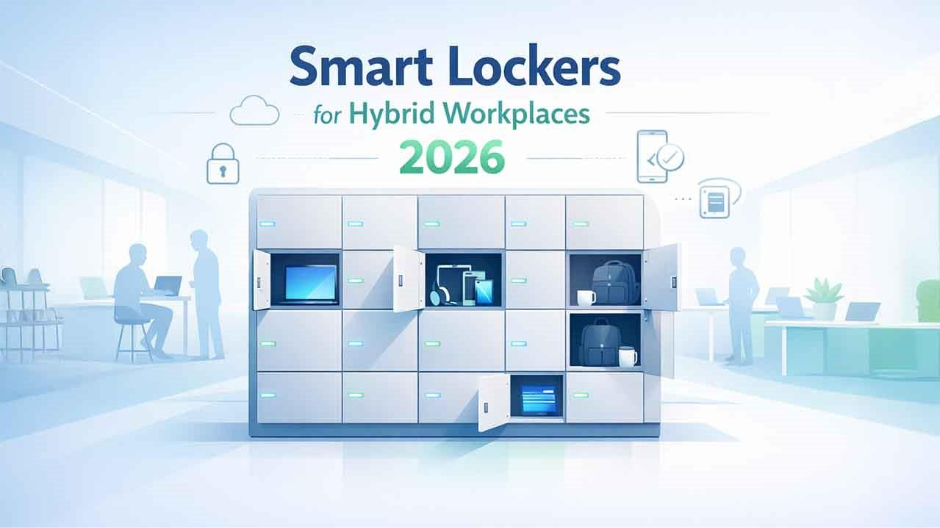

In this growing hybrid workplace technology, smart lockers for workplaces are becoming part of a broader shift. Modern offices are not associated with just permanently assigned desks. In 2026, workplace teams are being asked to support a blend of in-office employees, rotating schedules, shared equipment, and more flexible space planning. Gartner’s 2026 future-of-work guidance points to a wider rethinking of how work is structured, while CBRE’s recent workplace research describes the office as a hub redesigned around collaboration, experience, and intentional use of space.
That shift creates a practical infrastructure problem. When desks are shared and attendance patterns vary, employees still need secure places to store laptops, tablets, peripherals, and other equipment. IT professionals are also looking for new ways to manage returns, distribute devices, and maintain easy visibility into who owns what. McKinsey has noted that hybrid work changes how people use offices and how organizations support work across locations, while CBRE has reported that many occupiers continue to sustain hybrid policies and rebalance offices accordingly.
Conventional methods of storage and distribution are no longer fit for the changing environment. Processes such as static device lockers, front-desk handoffs, and manual sign-out make it difficult to manage employee devices at scale. In hot-desking environments, that often leads to four recurring issues:
- Employees cannot store devices securely
- Desks are no longer assigned
- IT teams struggle with device distribution
- Shared equipment lacks clear visibility
Smart workplace locker systems address those gaps by combining secure compartments, digital authentication, software controls, and, in some cases, charging and workflow automation.
9 Leading Smart Locker Solutions for Modern Workplaces
To support hybrid teams, office device storage systems, and flexible workspace operations, modern workplaces are increasingly relying on smart lockers, access control integrations, and workplace management software. Smart locker access control works best when paired with broader office entry systems such as Modern Visitor Management Systems.
1. ForwardPass — Smart Locker Infrastructure for Hybrid Workplaces
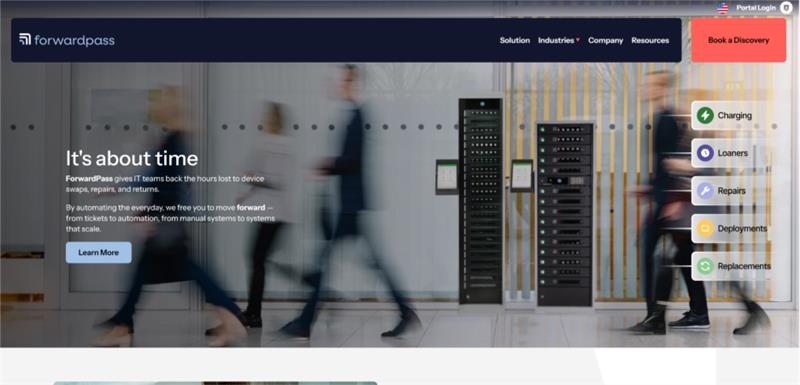
ForwardPass is positioned around centralized smart locker systems for offices, with an emphasis on secure device handoffs, real-time visibility, and audit trails for workplace equipment. Its workplace offering is designed for device pickup, returns, and oversight in environments where shared laptops, tablets, and accessories need to move between employees without relying on staffed desks or manual processes.
This is relevant to hot-desking locker solutions because smart lockers help organizations manage shared laptops, tablets, and workplace equipment in hybrid environments where employees no longer have assigned desks. ForwardPass also frames its system around integrations and workflow automation, which aligns with how many IT and workplace teams now approach office infrastructure rather than treating storage as a standalone function.
Organizations implementing modern workplace smart locker systems can see more about how centralized locker infrastructure supports device storage, employee authentication, and secure equipment management in hybrid office environments.
2. Yellowbox - The leading smart locker system for modern workspaces
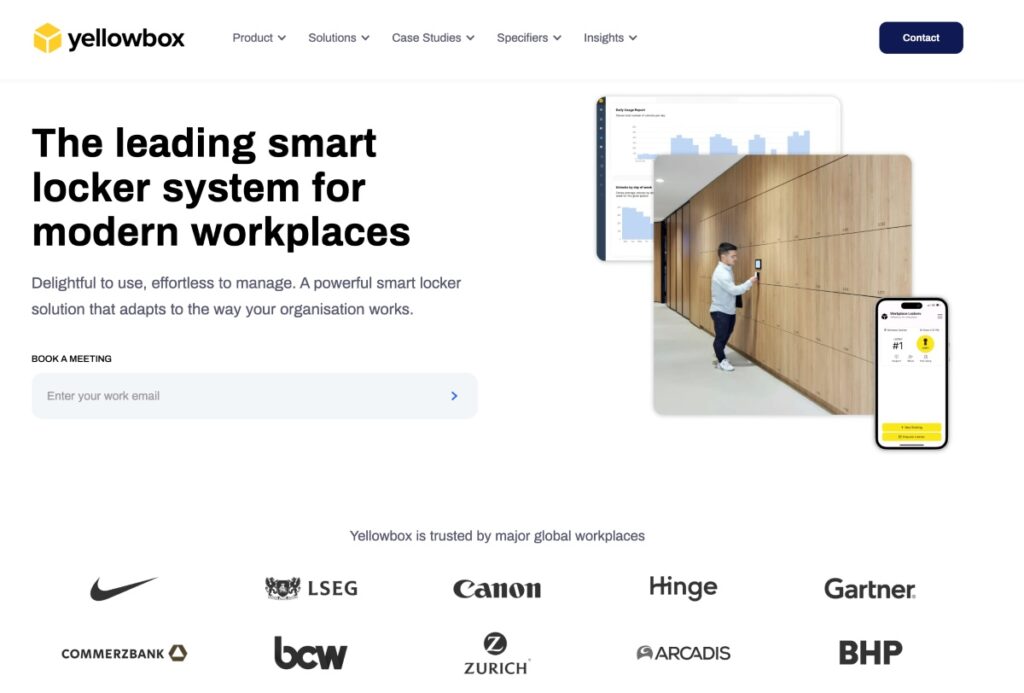
Yellowbox is a leading smart locker system for modern workplaces and hybrid offices. Employees can book and open lockers using existing RFID badges, Microsoft Outlook or Teams, Apple or Google Wallet, touchscreen PIN, or the Yellowbox app. Facilities teams can manage permanent storage, hot, team, visitor, parcel, and asset-exchange lockers from one dashboard, with hardwired or wireless locks available for both new fit-outs and retrofit projects.
Yellowbox is particularly well suited to large, multi-site and multinational workplaces that need centralized locker management rather than site-by-site manual admin. Its platform is positioned around globally scalable management, integrations with existing workplace systems, automated onboarding, and visibility over locker access and usage. According to Yellowbox’s best practice white paper for workplace smart lockers, workplaces can save more than 95% of locker-management time and require up to 40% less locker space.
3. LocknCharge — Smart Charging Lockers for Workplace Device Management
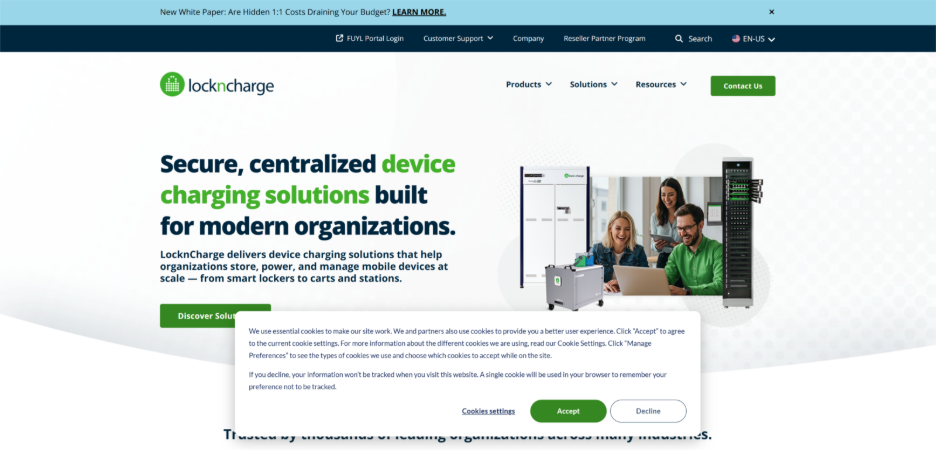
LocknCharge is recognized for combining device charging and storage in a single system. Its smart lockers are positioned around securing, charging, and managing phones, tablets, laptops, and other mobile devices, which makes the company relevant when workplaces need both storage and readiness rather than storage alone.
In workplace settings, that matters because device access is often tied to shift changes, meeting-room use, visitor support, and shared hardware pools. LocknCharge also describes self-authenticated, self-serve access and workflow support for collection, exchange, and return, which places it within the broader category of employee device management rather than simple charging furniture.
4. Vecos — Workplace Locker Management Platforms
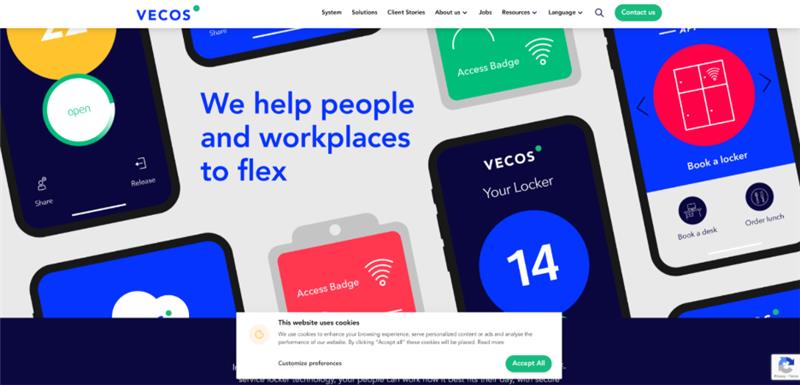
Vecos is commonly associated with workplace locker management software and smart locker platforms built specifically for office environments. Its positioning centers on self-service locker allocation, keyless access, SaaS-based control, and dynamic use of lockers across buildings and teams.
This is what makes Vecos particularly relevant in large enterprise offices where the demands for locker change daily, and storage needs are linked to reservation systems, employee schedules, and workplace utilization. In that sense, Vecos is often discussed less as a hardware-only locker vendor and more as a workplace infrastructure platform that helps allocate lockers dynamically in hybrid settings.
5. Gantner — Access-Controlled Smart Lockers
Gantner is a long-established provider of smart locker locking systems and access technologies. Its workplace relevance comes from combining electronic locker systems with RFID-based access, office authentication methods, and broader access control infrastructure.
For corporate campuses and enterprise headquarters, that combination is important because workplace locker systems often need to connect with badge-based entry environments rather than operate as isolated storage units. Gantner’s positioning around electronic locks, access control, and integration makes it a recognized option where security credentials and locker automation need to work together.
6. Luxer One — Smart Locker Systems for Offices
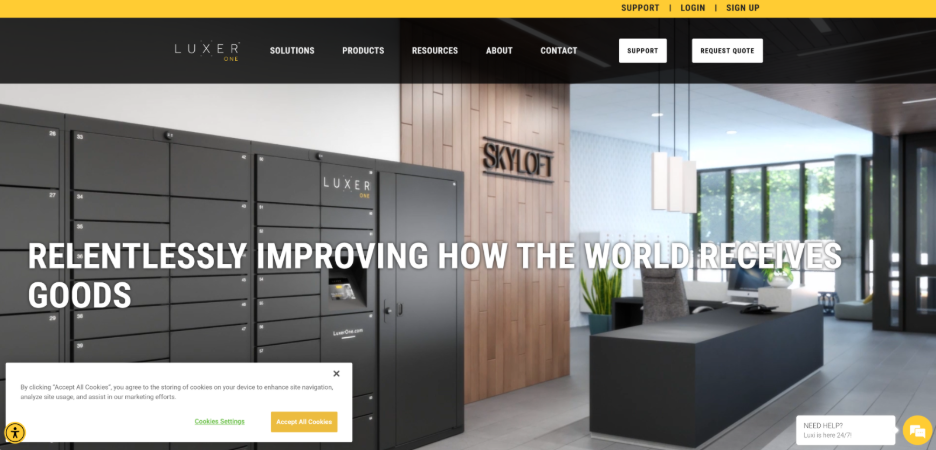
Luxer One is widely associated with smart locker systems for package management, but its office offering also extends into workplace equipment storage and employee parcel workflows. The company presents its office lockers as a way to manage secure deliveries, asset exchange, and storage inside office environments.
That positions Luxer One in a useful middle ground for workplaces that want a single locker infrastructure to support both employee package handling and controlled storage for devices or other shared items. In modern offices, those use cases increasingly overlap, especially in larger headquarters and mixed-use workplaces where storage, parcel handling, and office operations are managed together.
7. Ricoh Smart Lockers — Workplace Technology Integration
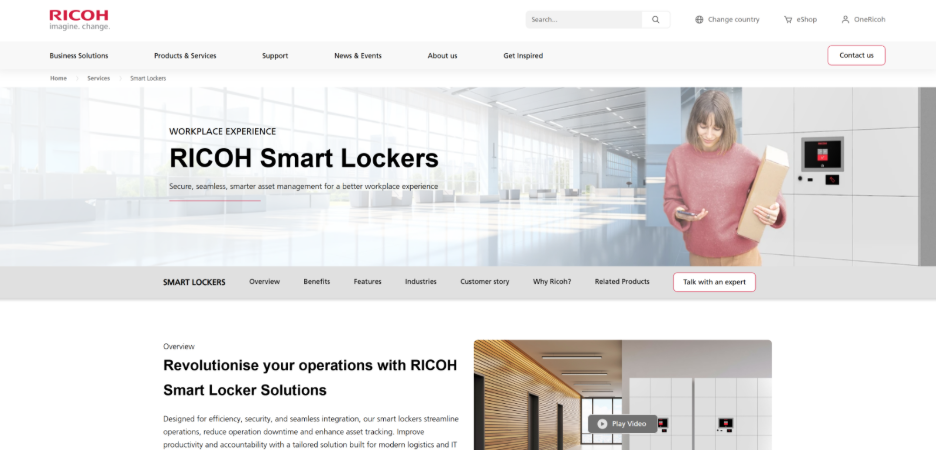
Ricoh Smart Lockers are tied closely to enterprise workplace infrastructure and office technology ecosystems. Ricoh describes its smart lockers as part of workplace services and emphasizes management, control, and optimization of IT equipment distribution, alongside integration with service desk workflows and workplace platforms.
That makes Ricoh notable in environments where smart lockers are treated as one layer of a wider workplace technology stack that may also include room booking, desk management, analytics, and enterprise support processes. For offices managing device access and accountability, Ricoh’s positioning connects locker systems with workplace operations rather than treating them as a stand-alone amenity.
8. Quadient Parcel Lockers — Hybrid Workplace Logistics
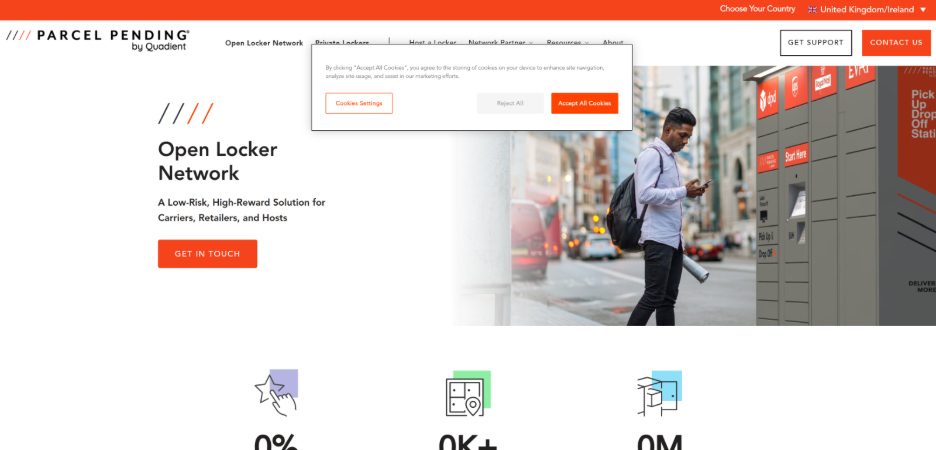
Quadient, through its parcel locker business, is best known for parcel and pickup workflows, but it is also part of the broader conversation around hybrid workplace logistics. Its locker systems focus on secure, connected delivery and pickup processes, notification-driven retrieval, and automation around distributed item handling.
In workplace settings, that can extend beyond employee deliveries to office logistics automation, internal distribution points, and package management for busy sites. It also intersects with adjacent operational categories, including mailroom systems and industrial asset management software, where organizations want more traceable handling of physical items moving through offices and facilities.
9. Kisi — Access Control Platforms for Smart Workplaces
Kisi is not a smart locker manufacturer in the same sense as the other vendors in this list, but it is relevant because cloud-based access control is increasingly part of smart workplace infrastructure. Kisi focuses on remote credential management, office access, and workplace integrations that can support authentication across shared environments.
That makes Kisi important in discussions about workplace locker systems because locker access often depends on the same identity and credential framework used for doors, visitors, and shared office infrastructure. As offices connect more systems through cloud administration and workplace software, access control providers such as Kisi become part of the wider ecosystem around locker-enabled hybrid environments.
Building Workplace Infrastructure for Hybrid and Hot-Desking Teams
Modern offices need more than storage. They need secure, flexible infrastructure for shared devices, rotating staff presence, and equipment accountability. That is why smart lockers for workplaces are increasingly being evaluated alongside access control, workplace software, and device management processes rather than as standalone furniture.
For workplace experience managers, IT directors, facilities managers, and office operations leaders, the practical question is how to support hot-desking, manage shared workplace technology, and secure employee equipment without adding manual overhead.
In that context, ForwardPass, LocknCharge, Vecos, Gantner, Luxer One, Ricoh Smart Lockers, Quadient Parcel Lockers, and Kisi each represent a recognizable part of the modern workplace locker ecosystem, whether through locker infrastructure, charging, software, access control, or logistics support.
Frequently Asked Questions
Q1. How do smart lockers support hot-desking workplaces?
They provide secure, temporary, or assigned storage for employees who no longer have permanent desks, while also supporting device handoffs, package retrieval, and controlled access to shared equipment.
Q2. What types of equipment can be stored in workplace smart lockers?
Common examples include laptops, tablets, phones, chargers, accessories, shared peripherals, and, in some cases, parcels or other office assets.
Q3. Can smart lockers integrate with office access control systems?
Yes. Many workplace locker systems are designed to work with badge, RFID, PIN, or cloud-based authentication systems, and some are positioned specifically around access control integration.
Q4. How do companies manage shared laptops and devices in hybrid offices?
Many use a combination of smart lockers, software-based allocation, authentication controls, and audit logging so employees can retrieve and return devices without relying on manual desk-side distribution.
Q5. What ROI can organizations expect from implementing workplace smart lockers?
The return typically comes from lower manual handling, faster device access, better visibility into shared assets, and reduced friction in hybrid office operations. Exact ROI depends on headcount, office model, device volume, and how deeply lockers are integrated into workplace workflows.
%201.png)

%201.png)

%201.png)