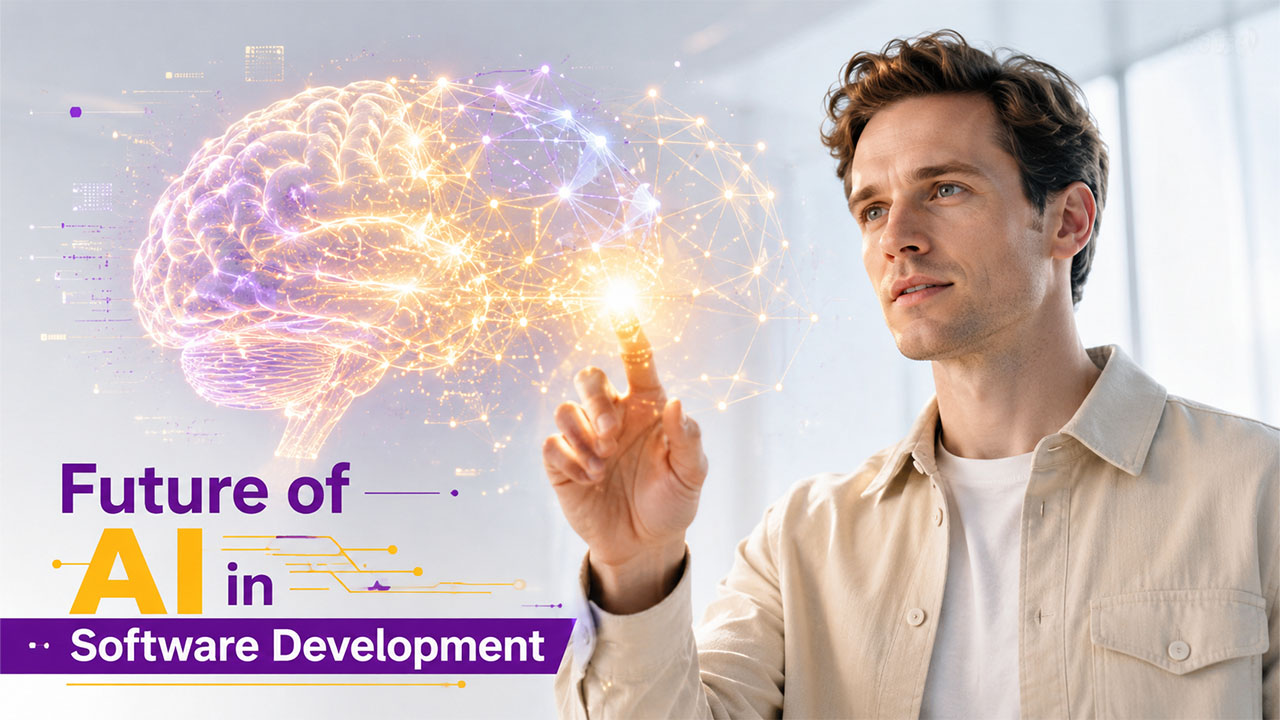

There’s a question that keeps surfacing in conversations about the future of technology—sometimes with curiosity, sometimes with anxiety: What happens when machines get really good at writing code?
It’s a fair question. Over the past few years, tools powered by artificial intelligence have become faster, smarter, and more capable. AI in software development can generate snippets of code, suggest fixes, and even help structure entire applications.
But focusing only on what these tools can do misses a deeper shift that’s already underway. Because the future of software development isn’t just about automation. It’s about transformation.
In this article, we’ll explore how the role of developers is evolving, why human creativity remains essential, how global talent—especially from Latin America—is becoming central to this change, and what it really means to build software in a world where intelligent tools are part of the process.
The Real Shift: From Writing Code to Solving Problems
At its core, software development has never been typing lines of code. It’s about solving problems.
Developers:
- Translate ideas into systems
- Design solutions to real-world challenges
- Build tools that people rely on every day
The code is simply the medium. As tools evolve, the medium changes—but the purpose remains the same.
Why Tools Don’t Replace Thinking
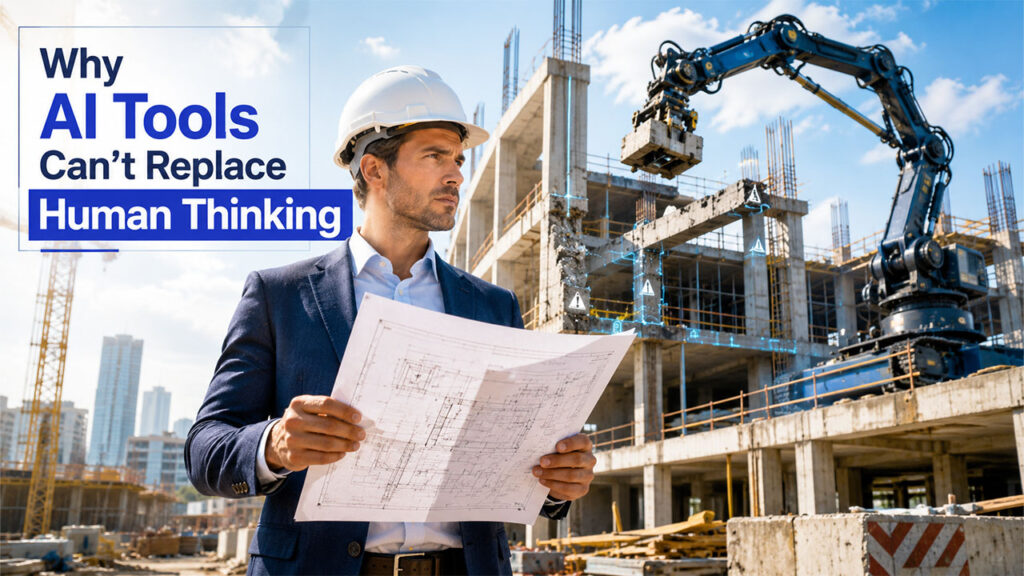
Modern AI tools can:
- Generate boilerplate code
- Suggest optimizations
- Identify errors
These capabilities are powerful. But they are also limited.
They don’t:
- Understand business context deeply
- Make strategic decisions
- Anticipate user needs in nuanced ways
- Take responsibility for outcomes
In other words, they assist—but they don’t replace.
The Evolution of the Developer Role
As tools of become more capable, the role of developers is shifting.
From:
- Writing every line manually
To:
- Designing systems
- Reviewing and refining outputs
- Making architectural decisions
- Ensuring quality and reliability
This evolution doesn’t reduce the need for developers.
It changes what they focus on.
The Rise of System Thinking
Modern software is no longer a collection of isolated features.
It’s a network of interconnected systems:
- APIs
- Databases
- Frontend interfaces
- Third-party integrations
Developers are increasingly responsible for understanding how these systems interact.
This requires:
- Strategic thinking
- Planning
- Communication
Skills that go far beyond code generation.
Why Human Judgment Still Matters
Technology can process information.
But judgment requires context.
Developers make decisions about:
- Trade-offs between speed and quality
- Security considerations
- User experience
- Long-term maintainability
These decisions depend on:
- Experience
- Understanding
- Critical thinking
And they cannot be automated easily.
The Growing Importance of Collaboration
Software development is no longer a solo activity.
It’s a collaborative process involving:
- Product managers
- Designers
- Engineers
- Stakeholders
Developers must:
- Communicate ideas clearly
- Align with business goals
- Work within teams
This makes communication as important as technical skill.
Global Talent Is Redefining Development Teams
As the nature of AI in software development evolves, so does the way teams are built.
U.S. companies are increasingly turning to global talent to:
- Expand capabilities
- Increase flexibility
- Improve efficiency
And Latin America has emerged as a key region in this transformation.
Why Latin America Is a Strategic Talent Hub

Time Zone Alignment
Real-time collaboration with U.S. teams is possible.
Strong Technical Education
Developers are trained in modern tools and practices.
Cultural Compatibility
Communication and work styles align well with U.S. expectations.
Long-Term Collaboration
Many professionals seek stable, ongoing roles.
This makes integration smoother and more effective.
The Importance of Systems Over Individuals
As teams grow and tools evolve, success depends less on individual brilliance and more on systems.
A strong development system includes:
- Clear workflows
- Defined roles
- Consistent communication
- Quality standards
These systems ensure that:
- Work is repeatable
- Output is reliable
- Teams remain aligned
When Companies Begin to Adapt
As technology evolves, companies begin to rethink their approach to development.
This is often when they start exploring broader questions—like will ai replace programmers—not as a prediction, but as a way to understand how roles are changing.
The answer is less about replacement and more about evolution.
Building Teams That Work with Technology
The most effective teams don’t compete with technology.
They work with it.
They:
- Use tools to speed up routine tasks
- Focus human effort on complex problems
- Continuously improve processes
This combination leads to better outcomes.
Designing Workflows for a New Era
Modern development workflows must adapt to new tools.
Key Elements
Automation: Use tools to handle repetitive tasks.
Review Processes: Ensure quality through human oversight.
Documentation: Keep systems understandable and maintainable.
Feedback Loops: Continuously improve based on results.
These elements create a balanced system.
Opportunities for Latin American Developers
The evolution of development is creating new opportunities.
To succeed in this environment, developers should:
Focus on Fundamentals
Strong problem-solving skills remain essential.
Learn to Work with Tools
Understanding how to use AI effectively is a competitive advantage.
Improve Communication
Clear communication builds trust and collaboration.
Understand Business Context
Knowing how your work impacts the company adds value.
Developers who combine these skills are highly sought after.
The Role of Platforms in Connecting Talent
As global hiring grows, platforms have emerged to connect companies with talent.
One example is South, a company focused on helping U.S. businesses build teams with professionals from Latin America. Platforms like this simplify:
- Talent discovery
- Hiring processes
- Long-term collaboration
However, success still depends on how well teams are integrated into company systems.
From Task Execution to Strategic Contribution
Developers are no longer just executing tasks.
They are contributing to:
- Product strategy
- System design
- Business outcomes
This shift increases their importance—not reduces it.
Common Challenges in the New Development Landscape
- Over-Reliance on Tools
Solution: Maintain human oversight and judgment.
- Skill Gaps
Solution: Invest in continuous learning.
- Communication Issues
Solution: Improve collaboration systems.
- Integration Challenges
Solution: Build clear workflows and processes.
These challenges are manageable with the right approach.
Leadership in Modern Development Teams
Leaders play a critical role in navigating change.
Effective leaders:
- Encourage learning
- Support experimentation
- Build strong systems
- Foster collaboration
In a rapidly evolving environment, leadership is about adaptability.
The Long-Term Impact of These Changes

As development evolves, the benefits are significant.
Increased Efficiency
Tools reduce time spent on routine tasks.
Better Quality
Human oversight ensures reliability.
Greater Innovation
Developers can focus on creative problem-solving.
Scalable Growth
Teams can expand more easily with global talent.
These advantages reshape how software is built.
A New Perspective on the Future
The future of development is not about humans versus machines. It’s about collaboration.
Technology enhances human capability. Humans provide direction and judgment.
Together, they create better outcomes.
Final Thoughts
The question of whether machines will take over development misses the bigger picture. What’s happening is not a replacement. It’s evolution.
U.S. companies that embrace this change—and build systems that combine technology with global talent—are creating teams that are more capable, more flexible, and better prepared for the future.
At the same time, developers across Latin America are finding new opportunities to contribute, grow, and build meaningful careers.
The future of AI in software development is not less human. It’s more human supported by better tools. And the organizations that understand this will be the ones that lead.
Frequently Asked Questions
Q1. Is AI changing the role of developers?
Yes, it’s shifting the focus from writing code to solving problems and designing systems.
Q2. Are developers still needed?
Absolutely. Human judgment, creativity, and problem-solving remain essential.
Q3. Why are companies hiring global developers?
To access talent, improve flexibility, and scale efficiently.
Q4. What makes Latin America a strong region for developers?
Time zone alignment, strong skills, and cultural compatibility.
Q5. What skills should developers focus on?
Problem-solving, communication, system design, and adaptability.
Q6. How can companies adapt to these changes?
By building strong systems, embracing tools, and investing in talent.
Q7. What is the future of software development?
A collaborative model where humans and technology work together.
%201.png)

%201.png)

%201.png)