


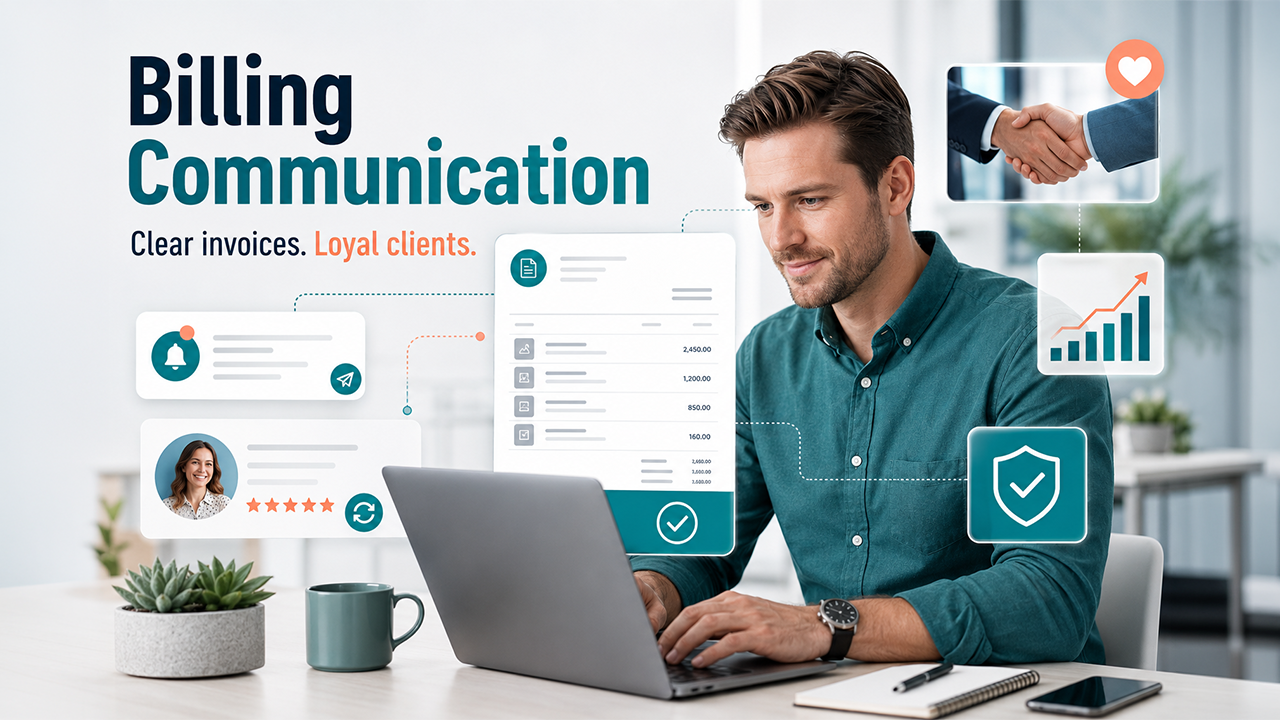

There is a specific kind of tension that often creeps into a client relationship the moment the work is done, and the bill is sent. You spend weeks building rapport, solving problems, and being a creative partner, but a clunky or confusing billing process can undo all that goodwill in a heartbeat. Many small businesses find that for most businesses, the "billing phase" is where customer retention either solidifies or starts to crumble. Strong billing communication plays a much bigger role in customer retention than most businesses realize.
Most people think retention is just about the quality of the service provided, but the reality is that the logistics of the transaction matter just as much. If paying you is a headache, your clients might love your work, but they’ll dread the process of working with you again.
Transparency is a Retention Tool
There is nothing that kills trust faster than a "mystery bill." When a client receives an invoice that just has a flat fee with no context or breakdown, it forces them to do mental gymnastics to justify the cost. Even if the price is fair, the lack of detail creates a tiny seed of doubt.
The best way to keep clients coming back is to treat billing communication as an extension of the value I provided, rather than just a financial transaction. Being much more intentional about the descriptions on bills like linking costs directly back to the goals achieved makes all the difference. When a client can see exactly what they are paying for, the "money talk" stops being a friction point and starts being a record of a successful partnership.
Removing the Friction from the Payment
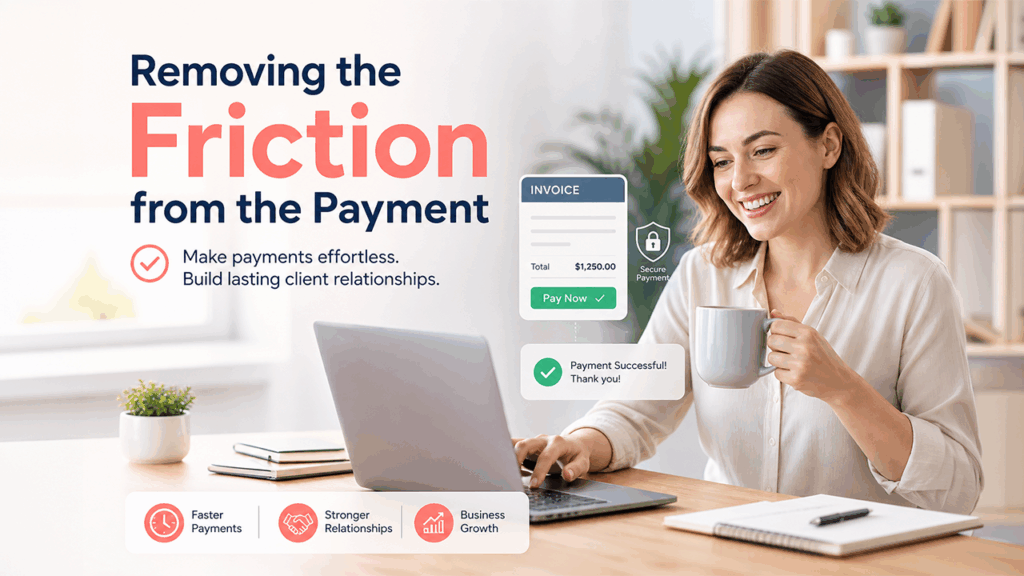
We live in an era of one-click convenience, and modern billing communication needs to feel just as seamless as the service itself. If your billing process involves manual bank transfers, paper checks, or confusing portals, you’re essentially adding "chores" to your clients' to-do list. That friction eventually leads to late payments, which leads to awkward follow-up emails, which eventually sours the relationship.
The most reliable way to stay professional and keep the process smooth is by using a dedicated system like Wave’s invoicing software. It takes the manual "mess" out of the equation and highlights the benefits of CRM and billing integration. By giving clients a clean, digital way to pay instantly, you’re showing them that you value their time. It makes the transaction feel like a seamless part of the service, rather than a hurdle they have to jump over. When you make it easy for someone to pay you, they are much more likely to hire you again.
Setting Expectations Before the Bill Arrives
One small habit that can completely change the dynamic of client relationships is having a brief "billing preview" conversation before an invoice ever goes out. Nothing formal; just a quick note toward the end of a project letting the client know what to expect. Something like, "Hey, we're wrapping up, so you'll see an invoice by Friday covering X and Y." That tiny heads-up eliminates most payment delays. Clients aren't caught off guard; they've mentally prepared for the number, and the invoice lands as a confirmation rather than a surprise. It turns the billing moment into a natural close; not an abrupt one.
The Power of the Automated Reminder
Let's be honest: clients get busy. A missed payment isn't usually a sign that they don't want to pay you; it’s usually just a sign that they are overwhelmed. The awkwardness comes when you have to send that "just checking in" email. It feels personal, it feels pushy, and it can make the relationship feel strained.
Moving that task to an automated system removes the emotion from the follow-up. A polite, system-generated reminder is viewed as a helpful "nudge" rather than a personal confrontation. This is where CRM and billing integration becomes especially valuable, as it connects customer records, invoices, and payment reminders into one streamlined workflow. It allows you to keep your hands clean and maintain the "creative partner" vibe while the software handles the collections. This consistency protects the long-term relationship and ensures that money never becomes a "weird" topic between you and the people you serve.
Final Thoughts
At the end of the day, billing communication is not just about collecting payments; it is about building trust, reinforcing professionalism, and creating an experience that makes clients want to return. How you handle your invoices tells your clients everything they need to know about your professionalism and your respect for their time. By keeping your billing clear, easy, and automated, you aren't just getting paid. You’re building a foundation of trust that keeps clients coming back for years. It's really about realizing that the last impression you leave with a client, which is the bill, is just as important as the first one.
%201.png)

%201.png)

%201.png)