


Understanding the Critical Link Between CRM and Cybersecurity
Customer Relationship Management (CRM) systems have become indispensable tools for modern businesses, enabling organizations to streamline sales, marketing, and customer service processes. These platforms centralize vast amounts of sensitive customer data, from personal information to purchasing histories, making them prime targets for cybercriminals. As companies increasingly rely on CRM platforms to drive decision-making and enhance customer engagement, the importance of robust cybersecurity measures has never been more paramount. Without a strong cybersecurity foundation, CRM success is vulnerable to data breaches, operational disruptions, and loss of customer trust.
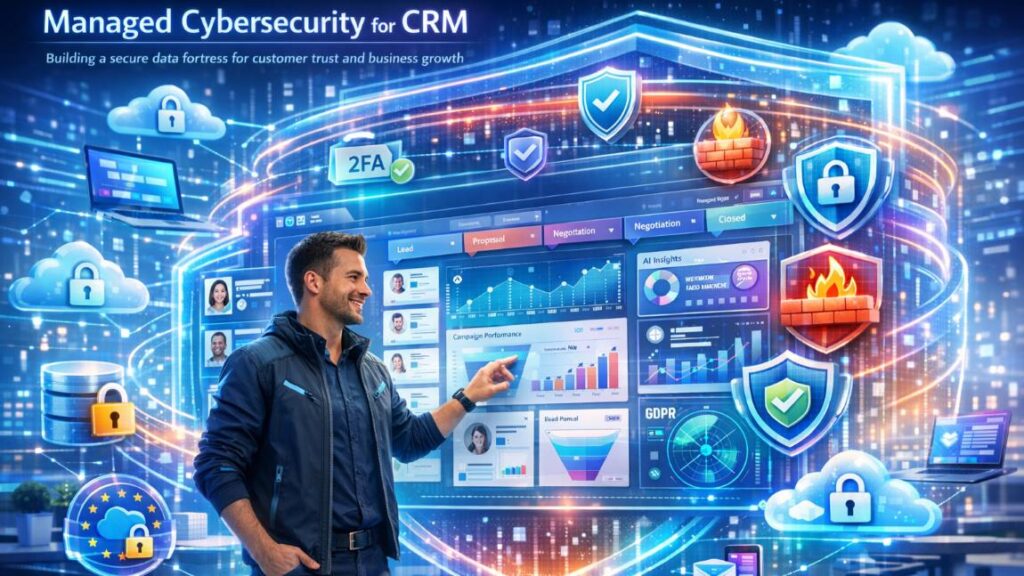
Recent studies highlight the urgency of securing CRM systems: 43% of cyberattacks target small businesses, many of which use cloud-based CRM solutions that can be exploited if not properly safeguarded. This demonstrates that CRM platforms, while powerful, represent a significant attack surface that can expose sensitive data and disrupt business operations. To build what we might call a “Data Fortress,” organizations must integrate managed cybersecurity strategies as a fundamental component of their CRM deployment and ongoing maintenance. This approach ensures that the CRM environment remains resilient against evolving threats while supporting business growth.
Why Managed Cybersecurity is Essential for CRM Platforms
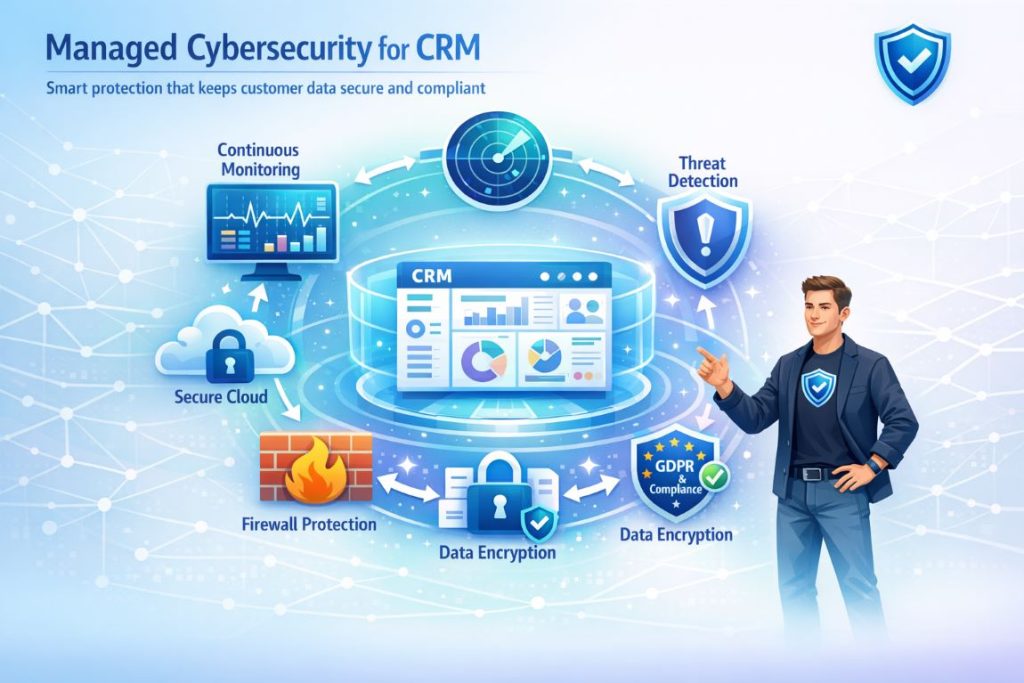
Managed cybersecurity refers to outsourcing your security needs to specialized providers who deliver continuous monitoring, threat detection, incident response, and compliance management. This proactive approach is critical for CRM systems because they are often interconnected with multiple business applications and accessible via the internet, increasing exposure to cyber threats.
For many businesses, the challenge lies in balancing CRM innovation with cybersecurity expertise. Internal IT teams may lack the specialized skills or resources to fend off sophisticated cyber threats. That’s where you might want to consult with 7tech's team to ensure your CRM environment is fortified against evolving risks.
Managed cybersecurity providers bring deep experience in identifying vulnerabilities specific to CRM platforms, deploying advanced security tools, and implementing best practices that comply with industry regulations such as GDPR and CCPA.
Integrating managed cybersecurity early in your CRM strategy also helps businesses stay ahead of compliance requirements. With regulations tightening around data privacy and protection, failing to secure CRM data adequately can lead to heavy fines and reputational damage. Proactive security management not only safeguards data but also builds customer confidence, which is essential for long-term success.
Key Cybersecurity Risks Facing CRM Systems
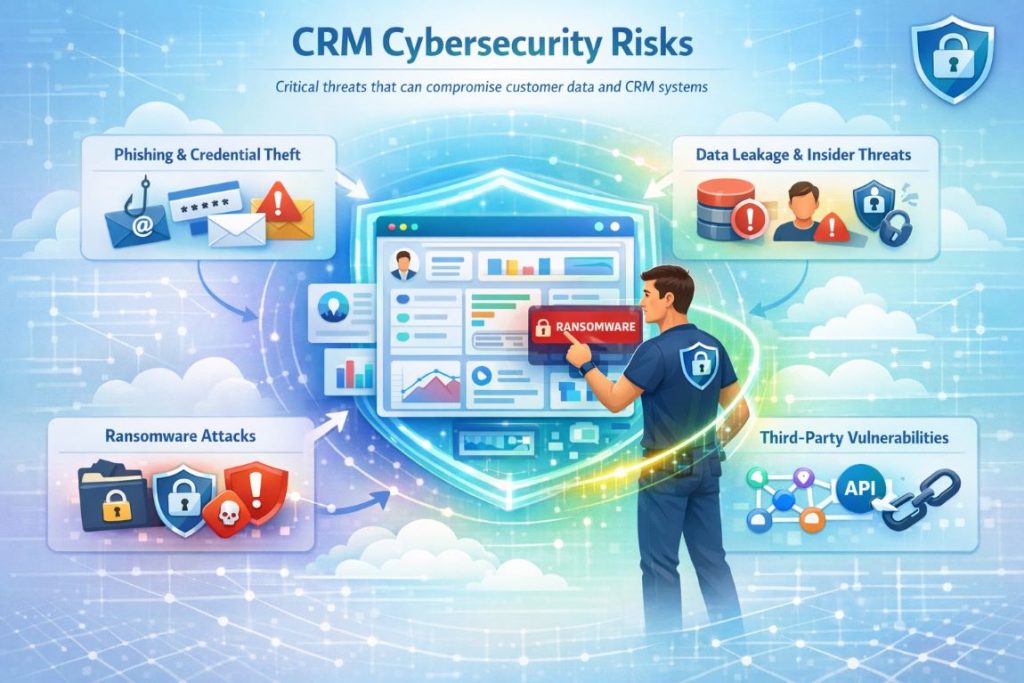
To appreciate why managed cybersecurity is a necessity, it helps to understand the common risks threatening CRM data integrity:
- Phishing and Credential Theft: Cybercriminals often target CRM users with phishing emails to gain access credentials, which then provide entry into the system. Attackers use sophisticated social engineering tactics to trick employees into revealing passwords or clicking on malicious links.
- Data Leakage and Insider Threats: Misconfigured access controls or malicious insiders can lead to unauthorized data exposure. Without strict identity management and monitoring, sensitive customer information can be inadvertently or deliberately leaked.
- Ransomware Attacks: Encrypting CRM data can paralyze business operations and demand costly ransoms. Such attacks not only disrupt workflows but also risk permanent data loss if backups are inadequate.
- Third-Party Vulnerabilities: Many CRM systems integrate with external apps, potentially introducing weak points in the security chain. A breach in a third-party service can cascade into the CRM system, compromising data integrity.
According to IBM’s Cost of a Data Breach Report 2023, the average cost of a data breach involving customer data is $4.45 million, emphasizing how damaging CRM security failures can be. These risks underscore the imperative to embed cybersecurity expertise deeply within CRM management to prevent costly incidents.
How Managed Cybersecurity Enhances CRM Performance
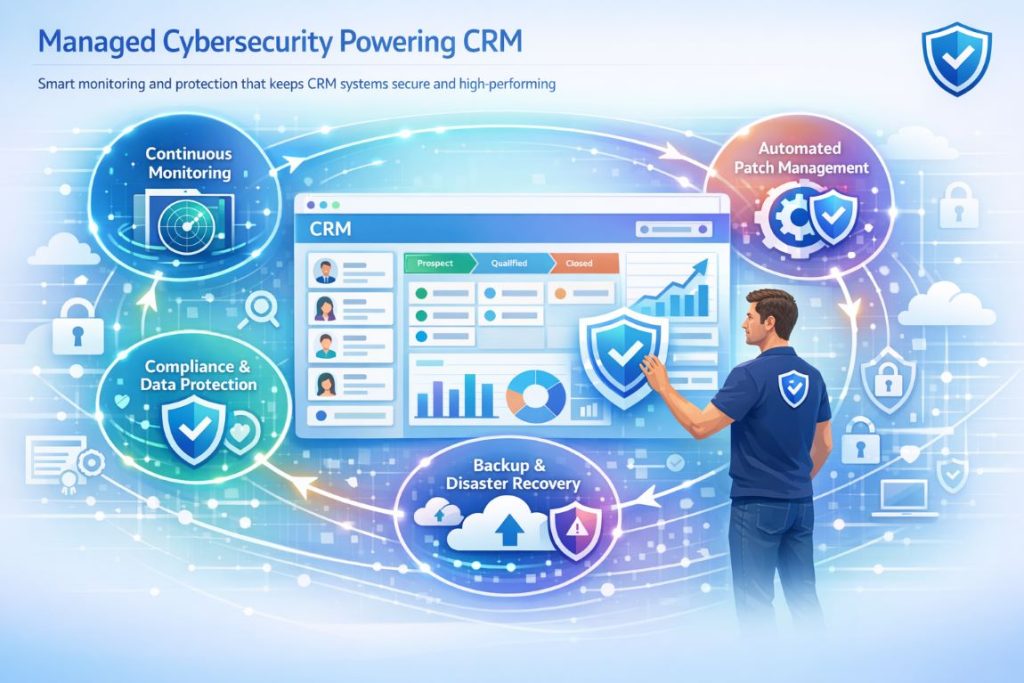
Beyond prevention, managed cybersecurity services actively improve CRM performance and reliability. Continuous system monitoring ensures that anomalies are detected before they escalate into incidents. Automated patch management keeps CRM software up to date, reducing exploitable vulnerabilities. Moreover, robust backup and disaster recovery plans enable swift restoration of CRM data in case of ransomware or system failure.
For businesses lacking in-house IT capacity, leveraging a trusted provider like the tech helpdesk from Aether IT can be a game-changer. This approach allows enterprises to focus on maximizing the value derived from their CRM investments while leaving cybersecurity complexities to experts.
Additionally, managed security services help maintain compliance with regulatory frameworks, avoiding costly fines and reputational damage.
Managed cybersecurity also enables organizations to adapt to the rapidly evolving threat landscape. Cybercriminals continuously develop new attack methods, and staying updated requires significant expertise and resources. Providers specializing in managed security have advanced tools, threat intelligence feeds, and dedicated teams to respond swiftly and effectively. This dynamic defense model is crucial for protecting CRM systems that often serve as the backbone of customer engagement.
Building the Data Fortress: Best Practices for CRM Cybersecurity
Establishing a resilient “Data Fortress” around your CRM requires a combination of technology, processes, and people. Here are some best practices that organizations should implement:
1. Access Control and Identity Management: Implement strict role-based access controls and multi-factor authentication to limit CRM access to authorized users only. This reduces the risk of credential theft and insider threats.
2. Encryption: Ensure data is encrypted both at rest and in transit within the CRM environment. Encryption protects sensitive information even if unauthorized access occurs.
3. Regular Security Audits: Conduct periodic assessments to identify and mitigate vulnerabilities. Audits help maintain compliance and uncover potential security gaps.
4. User Training: Educate employees about phishing threats and secure usage of the CRM system. Human error is often the weakest link in cybersecurity.
5. Incident Response Planning: Develop and test a clear response plan to minimize damage in case of a cybersecurity event. Having a rapid and coordinated response reduces downtime and data loss.
A survey by Deloitte found that companies employing managed security services experienced 50% fewer successful cyberattacks compared to those relying solely on internal teams. This statistic reinforces the value of partnering with cybersecurity specialists to safeguard CRM data and maintain operational continuity.
The Business Impact of Secure CRM Systems
A secure CRM system is more than just a technical achievement-it’s a strategic asset that drives business growth. When integrated with mobile CRM for sales teams, businesses can empower their sales representatives to access customer data, update deals, and manage leads securely from anywhere. Protecting customer data strengthens trust, which is vital for customer retention and acquisition. Moreover, secure CRM platforms enable organizations to confidently leverage advanced features such as AI-driven analytics and personalized marketing without fear of data exposure.
By prioritizing managed cybersecurity, companies reduce downtime, avoid financial losses linked to breaches, and maintain regulatory compliance. These benefits translate into improved operational efficiency and a stronger competitive position in the marketplace. In fact, a Ponemon Institute study revealed that organizations with strong cybersecurity frameworks experience 35% less revenue loss following a data breach. This highlights how cybersecurity investments directly contribute to financial resilience.
Furthermore, a secure CRM environment facilitates innovation by enabling the safe adoption of emerging technologies. Businesses can integrate Internet of Things (IoT) data, mobile CRM access, and cloud services more confidently when cybersecurity is managed effectively. This agility supports faster time-to-market and enhanced customer experiences.
Conclusion: Make Cybersecurity the Cornerstone of CRM Success
As CRM platforms continue to underpin customer engagement and business intelligence, their security cannot be an afterthought. The concept of a “Data Fortress” encapsulates the need for comprehensive, managed cybersecurity services to protect sensitive data and ensure uninterrupted CRM performance.
Businesses seeking to fortify their CRM environment should consider trusted partnerships and expert guidance. Whether you need to or rely on the proven capabilities of a, embedding managed cybersecurity into your CRM strategy is essential for sustainable success in today’s digital landscape.
By proactively building a “Data Fortress,” organizations not only shield themselves from cyber threats but also unlock the full potential of their CRM investments-delivering superior customer experiences, operational excellence, and long-term competitive advantage.
%201.png)

%201.png)

%201.png)