
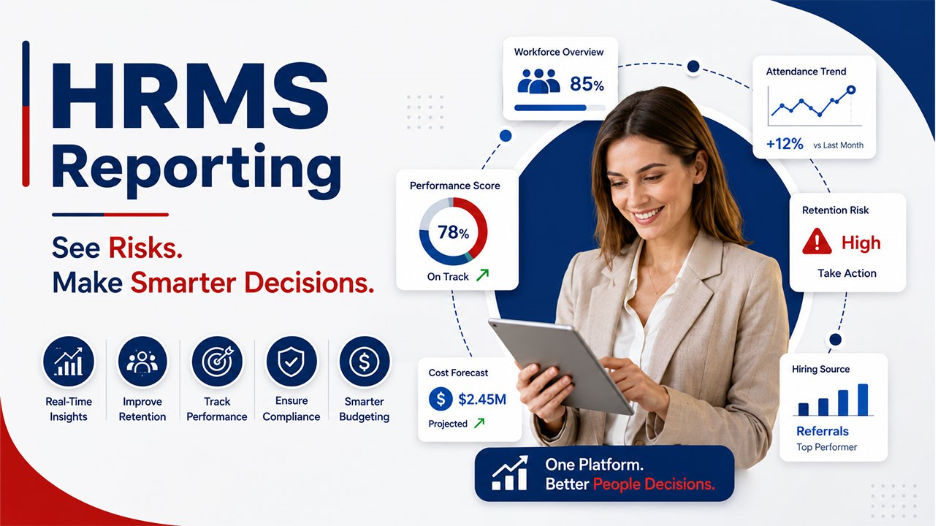

Trying to run a company based on gut feeling just doesn't cut it anymore. Each and every day, your organisation produces huge amounts of data on your employees, from their time swiping in in the morning to sick days to payroll withholdings and performance scores. When all this priceless data resides in various Excel sheets, pieces of paper, and other software programs, then you can't see anything at all. This is exactly where upgrading to the best HRMS software completely changes the game.
Instead of just acting as a digital filing cabinet for employee profiles, a modern platform automatically organises your chaotic data into simple, visual dashboards. It allows you to actually see what is happening with your workforce, spot hidden issues before they turn into major crises, and make decisions based on clear facts. Here are seven very real advantages of using your HR system for analytics and reporting.
Centralised Data
The largest time waster for any HR department is the need to comb through five systems just to find out information for one question. If you are curious if there is a connection between the unexpected slow progress on a project and the potential exhaustion of the team working on the project, you might be required to gather the employee’s attendance records, obtain some notes about performance reviews from managers, and also check on an independent project management platform.
But in case of a unified platform, everything will become much easier since attendance records, history of leaves, salaries, and other HR metrics are already connected to every particular employee’s record within the system.
2. Real-Time Tracking
Traditional corporate reporting is almost always reactive. Most management teams only look at metrics like employee turnover rates or exploding overtime costs at the end of a quarter, long after the damage has already been done and the budget is blown.
With a live system, your company dashboards update in real time. If a specific department experiences a sudden, unusual spike in sick days this week, the platform flags it right away. This immediate visibility gives team leaders the chance to step in and make quick, supportive adjustments, like rebalancing a heavy workload, before the situation hurts team morale and productivity.
3. Better Employee Retention
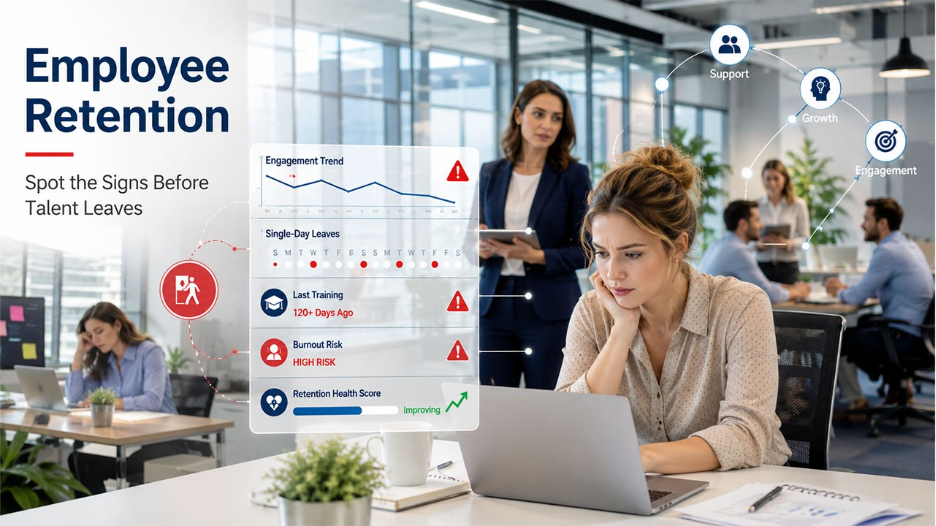
The loss of a good employee is extremely costly, demoralising, and forces the remaining employees to cover for all the extra duties that need to be done. While there will always be some people who choose to leave their jobs, a large number of resignations occur due to silent burnout, being stuck in the same place for too long, or friction within the office environment.
With system analytics software, you can identify potential resignation candidates by reviewing the past performance of employees. The tool analyzes small changes such as taking off too many single-day holidays, lower engagement ratings when completing company surveys, or the time elapsed since the individual had the latest training in new skills.
4. Fair Performance Reviews
Evaluating human beings can easily become subjective, which often leads to mixed signals, missed expectations, or a feeling of bias among staff members. A digital system takes the guesswork out of the equation by providing clear, ongoing performance data.
The software tracks individual progress against set targets, key performance indicators (KPIs), and completed training courses over the span of months. During appraisal cycles, managers don't have to rely on their recent memory alone. They have a complete, visual timeline of an employee's actual contributions throughout the entire year. This keeps feedback constructive, fair, and focused on growth.
5. Easier Legal Compliance
Staying on top of changing local labor laws, tax updates, provident fund (PF) changes, and employee state insurance calculations can feel like a stressful full-time job. A single manual math error can result in heavy penalties or an unexpected audit.
The right platform takes this massive weight off your shoulders by automatically updating whenever government regulations shift. The reporting tools allow you to generate audit-ready compliance sheets, tax forms, and monthly filings with a single click. This keeps your business safe from legal headaches without forcing your administrative staff to spend their weekends reading government notifications.
6. Smarter Hiring Choices
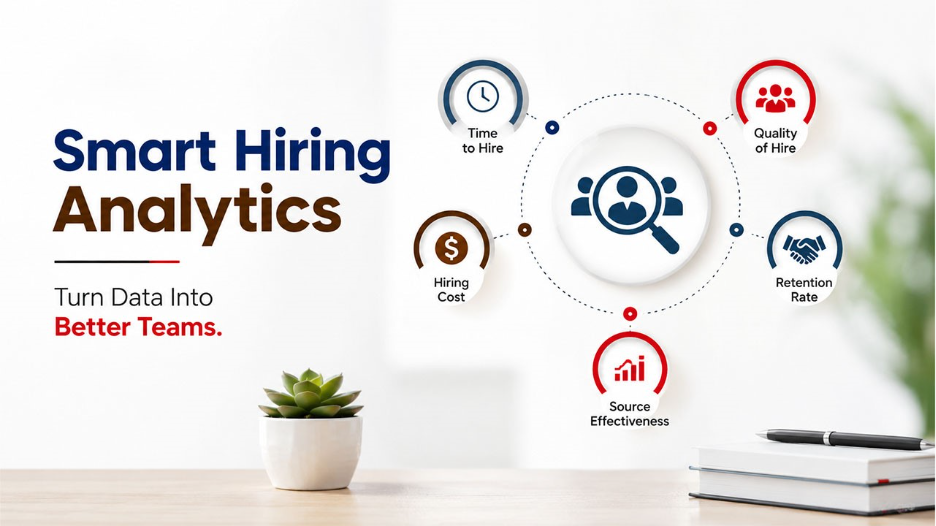
The process of recruiting consumes a great deal of resources and money for a business. You may be using your funds to post on job boards or other sites that don’t yield candidates that will stay on board if you don't know where to track your recruitment metrics.
Analytics provide insight into the whole process of recruiting. These include information on how much time is taken to hire for a certain position and the expenses incurred by your company. More importantly, it enables you to discover the most productive channels for recruiting. If it appears that the best candidates for your company come through internal referrals, then consider shifting your focus here instead of third parties.
7. Accurate Budgeting
When planning ahead, it is crucial that the organisation's leaders have exact numbers when it comes to employee operations. It is not just the salaries; you need to factor in additional payments, bonuses, health insurance, and training.
Using system reporting allows finance management and executives to get a clear picture of all these hidden costs in people operations for each individual branch or department. Additionally, it is useful when doing budget forecasts during territory expansion and recruitment. For instance, when you have to expand certain divisions within your company, you can look at your productivity records to determine the number of workers that you will recruit and the impact it will have on your budget.
Advice to Begin With: During the initial stage, when transitioning to the digital system, avoid trying to control all sorts of expenditures related to labor. Simply use the regular and easy-to-use dashboard functions to manage attendance and leaves, and then move to filter creation.
Summary
A dependency on manual spreadsheet calculations puts a ceiling on how quickly you will be able to grow your organisation and opens up room for mistakes made by employees. The transition from manual administration of people data to management in specialised software will not only allow you to save plenty of time spent on tedious tasks but will also bring a revolution in your HR practices.
In view of the advent of sophisticated HR analytics software, the human resource management department does not resemble an office worker sitting in a corner quietly filling out papers. On the contrary, it acts as a significant strategic resource, which contributes to building a better business through numbers.
%201.png)

%201.png)

%201.png)