

Universities and higher education institutions face increasing pressure to attract prospective students, improve engagement, and streamline admission processes. As the university competes in a rapidly evolving digital landscape, managing relationships across the entire student lifecycle becomes more important than ever. In this, CRM software for universities plays a critical role.
The CRM for universities is a specifically designed platform that helps in managing interactions with prospective and current students, alumni, donors, and other key stakeholders. The modern CRM platform also leverages automation, analytics, and artificial intelligence to improve recruitment outcomes and student experiences.
What Is Meant by CRM for Universities?
Customer Relationship Management for universities is a specialized software that mainly helps higher education institutions in managing and strengthening relationships with prospective students, current students, alumni, donors, and other stakeholders. Unlike traditional CRM platforms, CRM for universities mainly focuses on addressing the unique needs of higher education institutions.
CRM systems used in universities are part of a broader category of CRM solutions. To understand how different CRM models function, you can explore the various types of CRM software used across industries.
The CRM for universities acts as a centralized database that can store and organize information about every interaction. The information includes:
- Website inquiries
- Application submissions
- Email and SMS communications
- Event registrations
- Campus visit attendance
- Academic engagement data
- Alumni activities and donations
Key Features of CRM for Universities

The CRM for universities offers various key benefits for higher education institutions, such as:
- Student Recruitment and Admissions: The platform helps in efficiently tracking prospective students, automating follow-up communications, and managing recruitment campaigns. and streamline the complete admission processes.
- Personalized Communication: The CRM for the university uses artificial intelligence to send personalized and targeted emails, SMS messages, and notifications based on previous interactions with the students.
- Student Engagement and Retention: The platform also helps in monitoring student interaction and engagement levels. This helps the universities in identifying at-risk students and offer timely support.
- Data Analytics and Reporting: The CRM for universities offers a centralized dashboard, which helps the universities in making data-driven decisions regarding recruitment, enrollment, and student success initiatives.
Benefits of CRM for Universities
The CRM for universities offers various key benefits to higher education institutions. The platform centralizes all the data and automates communication. The platform also enables universities to operate seamlessly and efficiently while delivering better experiences.
Some of the key benefits of CRM for universities are as follows:
- Improved Student Recruitment: The platform streamlines the student recruitment process. Through the platform, the administrator can easily capture inquiries from multiple channels and track prospects through the enrollment journey.
- Personalized Student Communication: The CRM for universities allows administrators to segment audiences and send custom and targeted communication based on past interactions, academic programs, location, behavior, or stage in the admission process.
- Enhanced Student Engagement: A CRM for universities allows better understanding of student behavior and engagement levels. It also offers administrators tracking multiple touchpoints, ensuring timely support and relevant information.
- Centralized Student Data Management: Universities collect data from multiple departments, systems, and communications. The CRM tool helps in storing and organizing this data in a centralized system, allowing easy access.
Top CRM for Universities
The CRM for universities helps institutions efficiently manage the entire lifecycle of a student, from initial inquiry and admission to graduation, alumni engagement, and fundraising.
Some of the most popular and powerful CRM for universities are as follows:
Salesforce Education Cloud
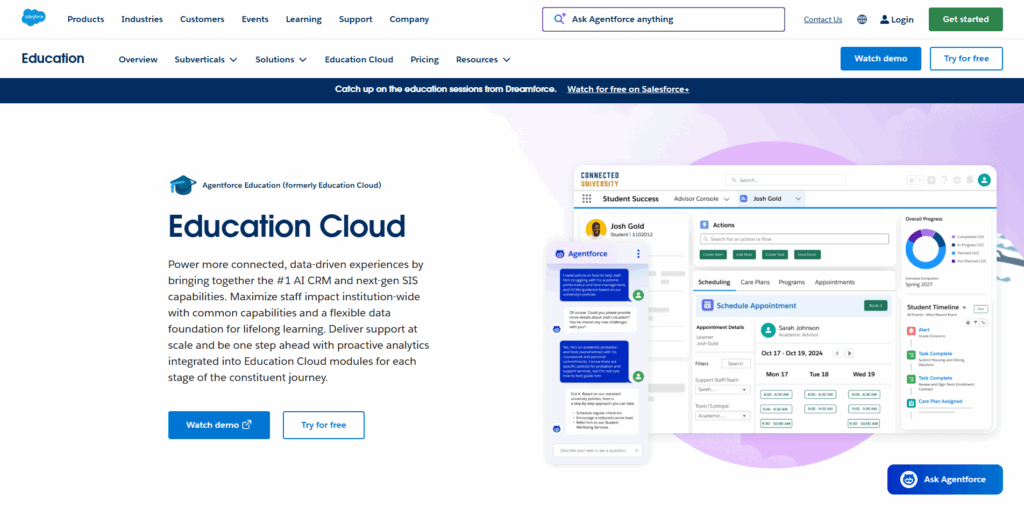
The Salesforce Education Cloud is among the most popular and commonly used CRM platforms for universities. The platform is designed specifically for educational institutions and offers multiple tools for recruitment, admission, and student success.
Key Features
- Application tracking
- AI-powered analytics and insights
- Workflow automation
Benefits
- Highly customizable
- Enterprise-grade scalability
- Strong reporting and analytics
Ideal For
- Large Universities
- Multi-campus Institutions
Slate
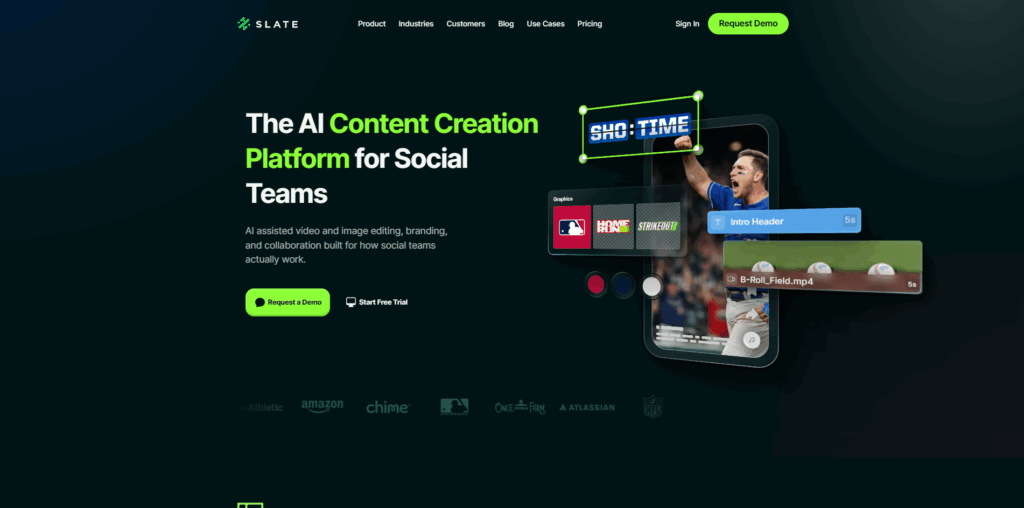
Slate is a higher education-based CRM platform that is especially developed for admissions and enrollment management. The platform is considered an ideal choice for colleges and universities that are looking for powerful recruitment tools.
Key Features
- Admission workflow automation
- Application tracking
- Event and campus visit management
Benefits
- Purpose-built for higher education
- User-friendly interface
- String admission capabilities
Ideal For
- Universities focused on improving recruitment and admissions processes
Microsoft Dynamics 365
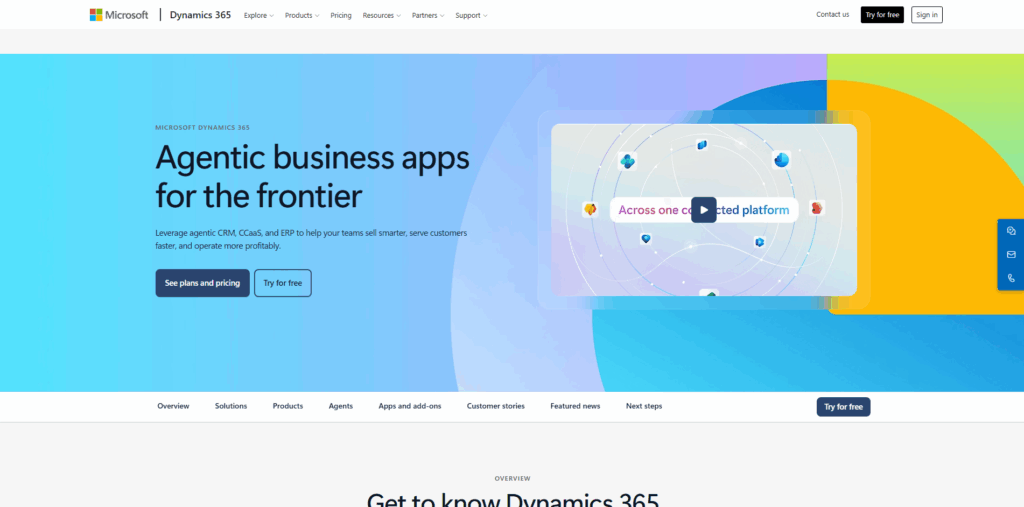
Microsoft Dynamics 365 is a flexible CRM platform that can be easily customized for universities. The platform offers enhanced capabilities in tracking and managing student recruitment, engagement, and retention.
Key Features
- Student relationship management
- AI-driven insights
- Automated workflows
Benefits
- Excellent Microsoft ecosystem integration
- Strong security and compliance
- Advanced analytics
Ideal For
- Universities already use Microsoft products.
Ellucian CRM Recruit
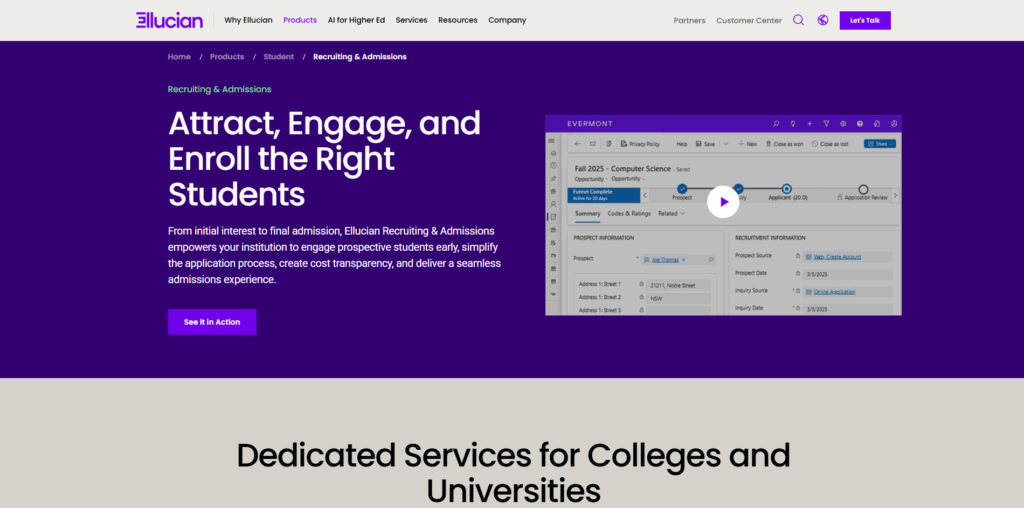
Ellucian CRM Recruit is a specifically designed CRM for universities that offers enhanced integration with Ellucian's student information system.
Key Features
- Personalized communication
- Event management
- Enrollment analytics
Benefits
- Education-based functionality
- Deep integration with Ellucian systems
- Strong recruitment workflows
Ideal For
- Universities using Ellucian technologies.
HubSpot CRM
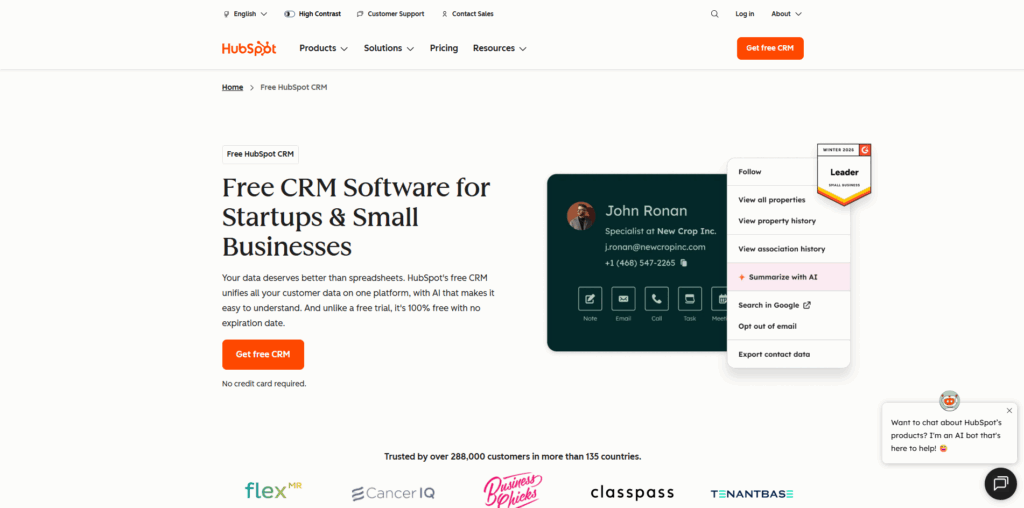
HubSpot CRM is among the most popular common-use platforms, which features enhanced automation capabilities. The platform is not specifically built for universities but is widely used by smaller institutions and educational organizations.
Key Features
- Contact and lead management
- Workflow automation
- Reporting dashboard
Benefits
- User-friendly interface
- Quick implementation
- String marketing tools
Ideal For
- Small and Mid-Size universities
Selecting the Right CRM for Universities
Choosing the right CRM for universities is a critical and strategic decision that directly impacts student recruitment, engagement, retention, and long-term institutional success. There are various popular and powerful CRM platforms available for higher education institutions, with each offering specific capabilities.
To select the right CRM for universities, users need to consider the following:
- Define Institutional Goal: Universities need to identify their needs and challenges. The CRM platform should align with the priorities of the institution, rather than just forcefully adapting to the software.
A university focused on admissions may prioritize Slate, while a large institution aiming for full lifecycle management may prefer Salesforce Education Cloud. - Evaluate Student Lifecycle Coverage: An efficient CRM for a university should support the entire student journey, from first interaction and admission to graduation and alumni relations.
- Integration with Existing Systems: Universities use a wide range of systems, like student information systems, learning management systems, ERP platforms, and email & communication tools. The right CRM for a university should seamlessly integrate with these systems to avoid data silos and manual duplication.
- Assess Automation and AI Capabilities: The modern CRM for universities relies on automation and artificial intelligence to reduce manual work and improve decision-making. Universities should look for key features like automated emails and SMS campaigns, predictive enrollment analytics, AI chatbots for students' queries, and workflow automation for admission tasks.
Limitations of CRM for Universities
While CRM for universities offers significant benefits in student recruitment, engagement, and retention for the institutions, it also includes various challenges. Some of the major limitations of CRM for universities include:
- High Implementation and Setup Cost: One of the major challenges with CRM for universities is the high initial implementation and setup cost. The cost includes software licensing fees, system customization, data migration, and staff training programs.
- Complex Configuration: Many CRM for universities are highly flexible but also include high complexity. It includes longer deployment timelines, constant technical expertise, and complex workflow configuration.
- Data Migration Challenges: Universities often store a large volume of data of students across multiple legacy systems, spreadsheets, and departmental databases. This increases data migration complexity, along with inconsistent or incomplete data, duplicate records, and risk of data loss during migration.
Conclusion
In the current highly competitive landscape, universities cannot rely on traditional systems for managing student relationships. The modern CRM for universities has grown to become a critical part of modern institutions, which enables institutes in attracting prospective students, streamline recruitment, and enhance engagement.
There are various powerful CRM for universities available, among which Salesforce Education Cloud stands out as the best. The platform offers enhanced application tracking capabilities, along with extensive workflow automation. Apart from this, platforms like Slate, Microsoft Dynamics 365, Ellucian CRM Recruit, and HubSpot CRM are also considered ideal CRM platforms for universities. Ultimately, selecting the right CRM is not just a software investment but acts as a critical factor in student success and institutional growth.
FAQs About CRM for Universities
Q. Why do universities need a CRM platform?
A. The CRM for universities helps in improving student recruitment, streamlining admissions, enhancing engagement, and increasing retention rates.
Q. What is the difference between CRM for universities and SIS?
A. The CRM for universities manages relationships and communication, while the Student Information System (SIS) manages academic records and administrative data.
Q. Can I integrate CRM for universities with LMS systems?
A. Yes, you can easily integrate CRM for universities with Learning Management Systems (LMS) for better data sharing.
Q. How long does it take to implement a university CRM?
A. A simple systems implementation process can take up to a few weeks, and complex enterprise solutions can take up to several months for complete implementation.
%201.png)

%201.png)

%201.png)