
The guide explores the 5 best lead management software for businesses in 2026, along with their key features, limitations, and ideal usage.
Generating leads is considered the beginning of the sales process. The real challenge is to manage these leads effectively, along with understanding where they are in the buying journey, and ensuring that the sales team efficiently follows up at the right time. This is where lead management software offers its enhanced capabilities.
Modern lead management platforms help businesses efficiently capture, organize, qualify, nurture, and convert leads from multiple channels. Businesses can also use CRM for Lead Generation to connect lead capture, prospect information, follow-ups, and sales activities within a centralized system. However, as the sales process becomes more data-driven and AI-powered, businesses require more advanced and efficient lead management software. However, as the sales process becomes more data-driven and AI-powered, businesses require more advanced and efficient lead management software.
What is Lead Management Software?
Lead management software is a type of digital tool that helps businesses efficiently capture, organize, qualify, assign, track, and nurture potential customers throughout the sales process. Through the platform, businesses can use a centralized system to keep leads informed and organize sales activities, instead of managing leads across spreadsheets, emails, forms, and disconnected systems.
The lead management software helps teams understand where the lead came from, what actions have been taken, who is responsible for it, and what should happen next, from the moment a prospect submits an inquiry to the point they become a customer.
Functions of Lead Management Software
The lead management software performs the following key functions:
- Lead Capture: Collects leads from multiple sources, like websites, forms, landing pages, emails, and chats.
- Lead Organization: Stores all the key information, such as contact details, interactions, source information, and other data, in a centralized location.
- Lead Scoring: Prioritizing prospects based on their characteristics and engagement.
- Lead Routing: The platform automatically assigns leads to the appropriate sales representative or team.
- Follow-up Automation: Create reminders, tasks, notifications, and automated communication.
- Lead Nurturing: Maintain engagement with prospects who are not ready to purchase immediately.
- Analytics and Reporting: Track lead sources, conversion rates, response times, and sales performance.
- CRM Integration: Connect lead information with CRM, marketing, communication, and other business systems.
Key Features of Lead Management Software
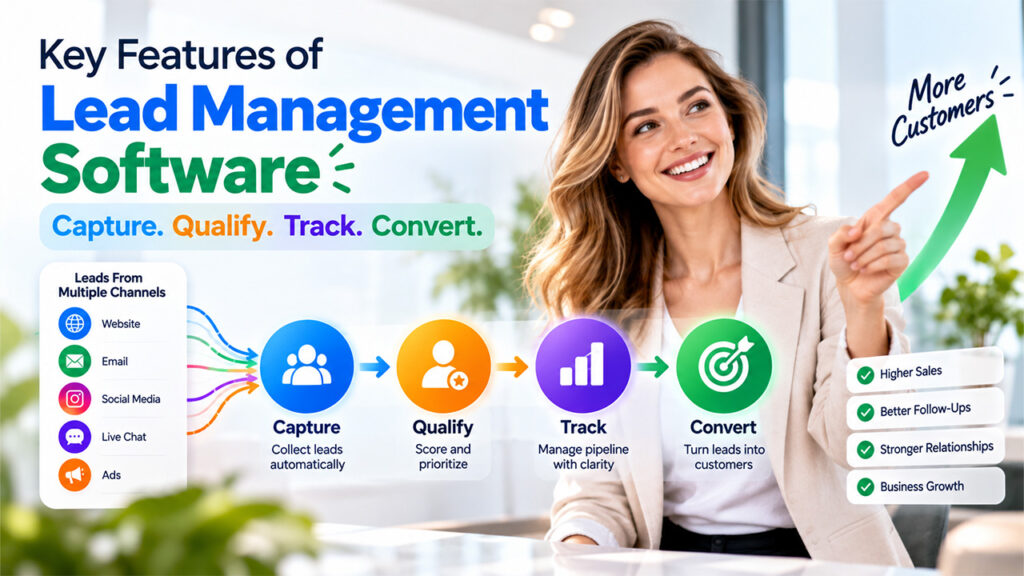
Modern lead management software helps businesses manage the entire lead journey, from the first interaction through qualification, follow-up, and conversion. Some of the key features of lead management software are as follows:
- Lead Capture and Centralization
The lead management software makes it easier to collect prospects from multiple sources, such as websites, forms, landing pages, email campaigns, live chats, social media, and advertising platforms. These channels can work alongside different Lead Generation Tools to help businesses attract and capture prospects before they enter the lead management process. Once the leads are captured, they can be stored in a centralized database, offering sales and marketing teams a consistent view of prospect details and interactions.
- Lead Qualification and Scoring
Lead scoring helps businesses prioritize prospects according to multiple factors, such as demographics, company information, engagement, website activity, and previous interactions.
- Lead Tracking and Pipeline Management
Once a lead enters the system, the platform automatically assigns it to the appropriate team or salesperson. It allows businesses to automatically assign prospects based on multiple rules, such as location, industry, product interests, lead score, territory, or sales representatives.
- Lead Tracing and Pipeline Management
The platform provides clear visibility into where each prospect is within the sales process. This creates a history, helping teams understand what has already happened and determine the next appropriate action.
Top 5 Lead Management Software
The right lead management software mainly depends on multiple factors, such as lead volume, sales process, automation requirements, integration, team size, and budget. Some platforms mainly focus on inbound marketing and CRM capabilities, while others may be designed around sales pipelines, automation, or high-volume lead distribution.
5 best widely used lead management software to consider in 2026 are listed below:
1. HubSpot CRM
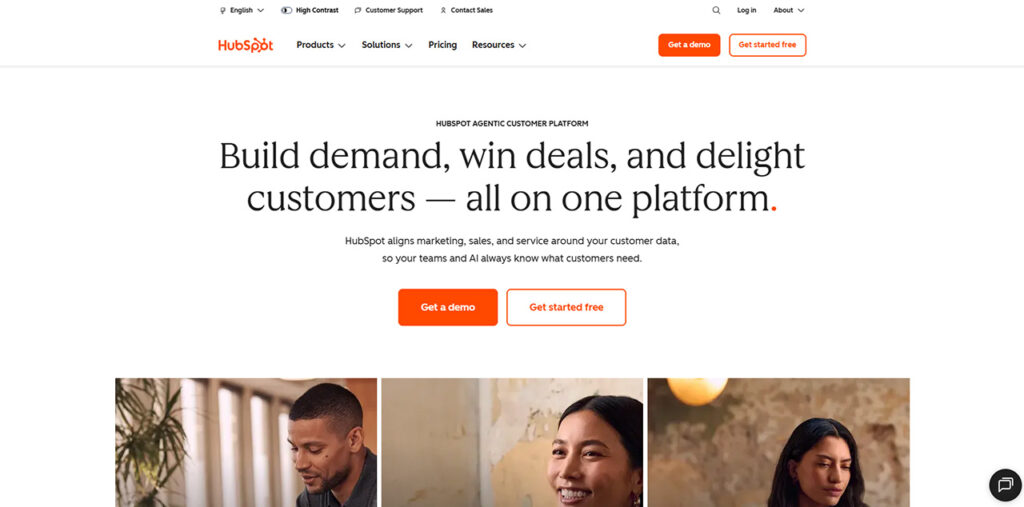
HubSpot combines key capabilities of CRM, sales, marketing, and customer management in one centralized platform. The lead management tools support lead capture, scoring, segmentation, nurturing, and sales automation.
Key Features
- Lead and contact management
- Lead scoring and prioritization
- Automated lead routing
- Lead segmentation and nurturing
- Sales pipeline management
Limitations
- Advanced sales and automation capabilities are generally associated with paid tiers.
Ideal For
- Small and mid-sized businesses that want to connect lead management with marketing and sales activities.
2. Salesforce Sales Cloud
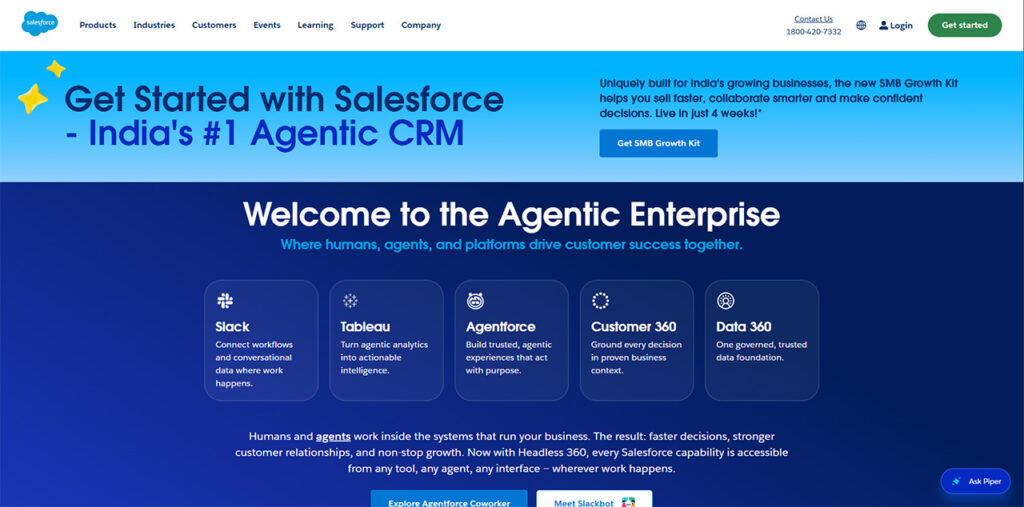
Salesforce is a comprehensive CRM platform that is designed to support lead, account, contact, opportunity, pipeline, and sales management processes. The platform offers Sales Cloud, which offers automated lead routing, AI-based lead prioritization, reporting, forecasting, and extensive customization.
Key Features
- Lead capture and management
- Automated lead routing
- AI-powered lead prioritization
- Lead and opportunity management
- Sales automation
Limitations
- Advanced capabilities may require higher-tier editions or additional products.
Ideal For
- Larger organizations and sales teams with complex processes.
3. Zoho CRM
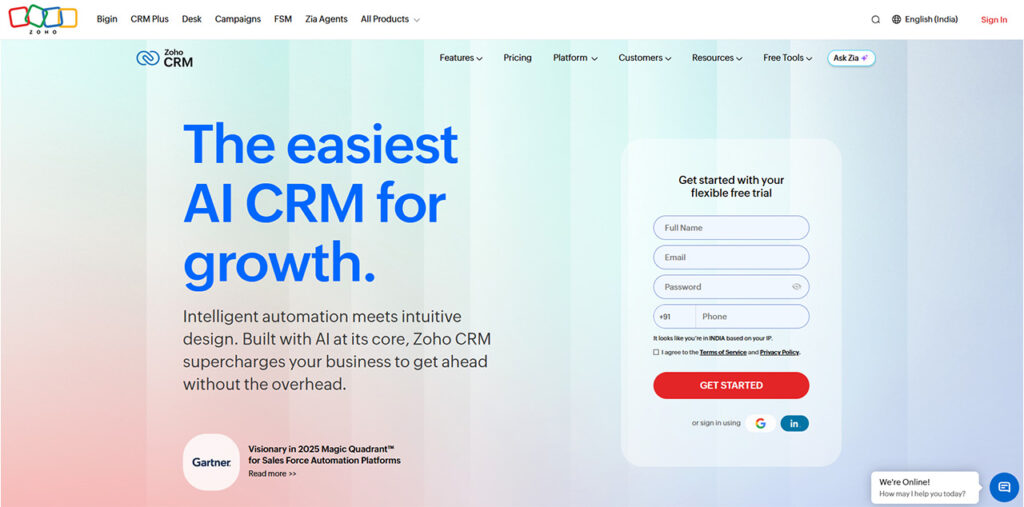
Zoho CRM offers key capabilities, such as lead, contact, account, and deal management, along with workflow automation, scoring, reporting, omnichannel communication, and AI capabilities through Zia.
Key Features
- Lead and contact management
- Lead scoring
- Automated lead assignment
- Workflow automation
- Follow-up cadences
Limitations
- Feature availability varies significantly between editions.
Ideal For
- Small and mid-sized businesses looking for a broad set of CRM and lead-management capabilities.
4. Pipedrive
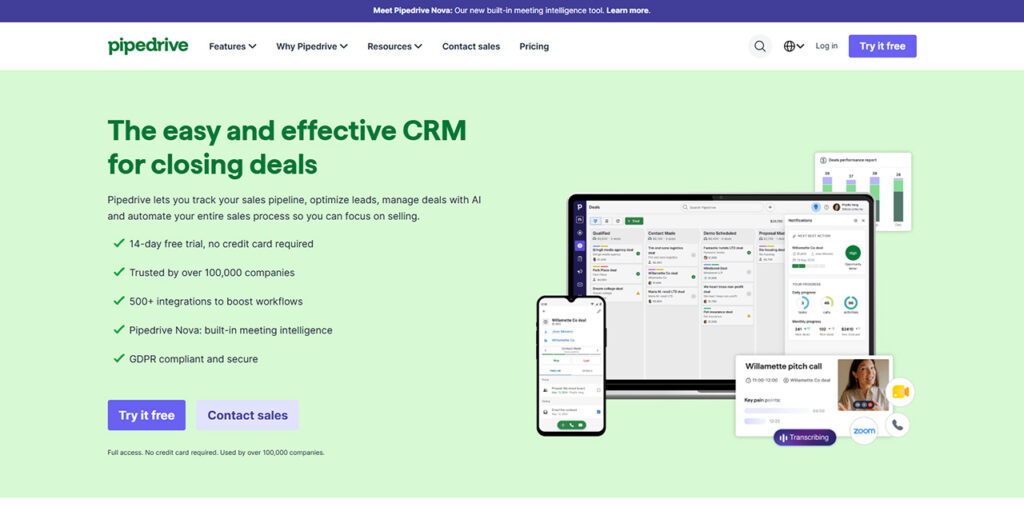
Pipedrive mainly focuses on sales pipelines and lead management. The Lead Inbox feature of the platform helps teams organize prospects before converting them into deals, while LeadBooster offers tools such as Chatbot, Live Chat, Prospector, and Web Forms.
Key Features
- Leads Inbox
- Visual sales pipeline
- Lead qualification
- Automatic lead assignment
- Web forms
Limitations
- Some lead-generation capabilities are provided through LeadBooster or other add-ons.
Ideal For
- Sales-focused teams that want a straightforward way to visualize pipelines, organize leads, automate sales activities, and manage follow-ups.
5. LeadSquare
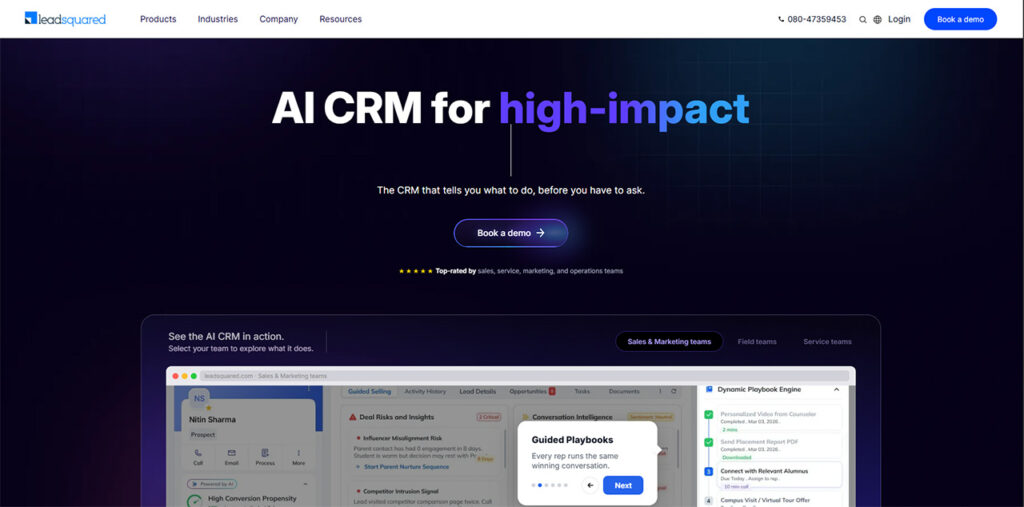
LeadSquared is primarily designed for efficient lead capture, qualification, distribution, automation, and sales engagement. The lead-management system of the platform supports multiple lead sources, customizable lead fields, scoring, distribution, automation, and reporting.
Key Features
- Multi-channel lead capture
- Lead scoring
- Lead quality and engagement scoring
- Automated lead distribution
- Lead nurturing
Limitations
- Extensive automation and configuration may require implementation of effort.
Ideal For
- Businesses handling high lead volumes and organizations that need structured lead capture, qualification, automated distribution, and follow-up workflows.
Choosing the Right Lead Management Software
Choosing the right lead management software is an essential decision for businesses, especially those looking to improve how they capture, qualify, distribute, and convert prospects.
Businesses can consider the following factors while choosing the right lead management software for their business:
- Understanding the Lead Management Requirements
Businesses need to start by identifying how they currently manage leads and where the main problem occurs. Businesses need to ask questions like where the leads come from, how many leads they receive each month, how leads are currently assigned to sales representatives, and how they qualify prospects.
- Evaluate Lead Capture Capabilities
The business needs software that supports multiple channels to generate prospects. Businesses can look for key abilities, such as website forms, landing pages, live chats, social media, email campaigns, and advertising forms, among others.
- Check Lead Scoring and Qualification
If the sales team of the business receives a large number of prospects, features like lead scoring can help determine which leads require greater attention. Combining lead scoring with appropriate Sales Techniques can help representatives prioritize conversations, tailor follow-ups, and respond according to the prospect's level of interest. Businesses can look for factors like lead demographics, company information, website activity, email engagement, and product interest.
- Look for Workflow Automation
Automation helps businesses reduce repetitive administrative work and helps sales representatives maintain consistent follow-ups. Businesses should look for software that is able to automate lead assignments, follow-up reminders, email notifications, task creation, and lead-status updates.
Conclusion
The right lead management software can help businesses efficiently organize prospects, prioritize opportunities, automate follow-ups, and improve visibility across the sales process. Choosing the right platform also depends on multiple factors such as lead volume, sales workflows, automation requirements, integrations, team size, and budget of the business. Businesses can evaluate these needs alongside the key features and limitations of different platforms to select a lead management software that can support more efficient lead handling and a more organized path from prospect to customer.
Frequently Asked Questions
Why is lead management software important for businesses?
Lead management software is essential for businesses as it helps centralize prospect information, automate repetitive tasks, prioritize leads, improve follow-ups, and gain better visibility into the sales pipeline.
How does lead management software help with lead generation?
Lead management software can efficiently collect prospects from websites, forms, landing pages, email campaigns, live chats, social media, and advertising platforms, enabling businesses to centralize lead generation through multiple channels.
Can lead management software integrate with CRM systems?
Yes, lead management software can be integrated with CRM systems. Many lead management platforms integrate with CRM, marketing, communication, advertising, analytics, and other business systems.
Can lead management software improve sales team productivity?
Yes, lead management software can improve sales team productivity. It can help reduce repetitive administrative tasks by automating lead assignments, reminders, notifications, data organization, and follow-ups.
%201.png)

%201.png)

%201.png)