
In recent few years, AI has become part of the daily toolkit for modern marketing teams. The core idea is simple, that the user feeds the software the right data, and it tell the users how to interpret that data and let AI agents help you act on it, whether that means creating content, automating workflows, researching competitors or tracking what people say about your brand.
The hard part is choosing from the hundreds of tools out there. To make it easier, here are the 31 best AI marketing tools for 2026, spanning creative, writing, automation, research and more, starting with a standout for AI content creation.
Top 31 Best AI Marketing Tools
Getimg.ai (best for AI visual content)
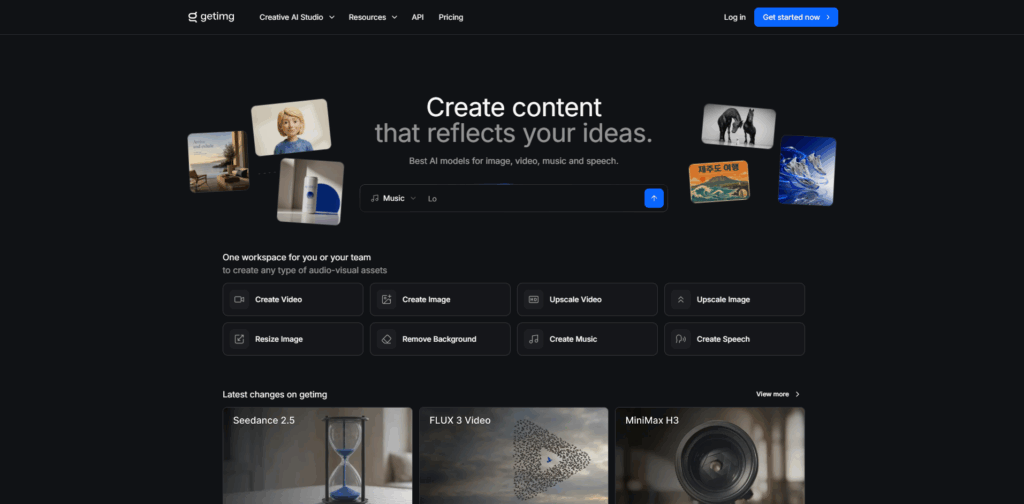
Getimg.ai is the standout here for anyone who wants the leading AI models without the juggling act. Its 2.0 update rebuilt the platform into a single unified workspace for image generation, video creation and editing, so a whole project lives in one interface rather than scattered across several.
One subscription unlocks 29 or more models covering text-to-image, image-to-video, and editing, including top video models like Google Veo 3.1, Seedance 2.5, Kling, MiniMax H3, and Gemini Omni Flash, with the platform auto-selecting the right one for the task. That answers two of the biggest frustrations with these models: the cost of subscribing to each separately and the difficulty of reaching newer ones on their own.
For teams working at pace, a standout feature is batch generation. With Gemini, users can generate various images at once, with each image approached differently so that the results are genuinely distinct, and user can queue new batches immediately without waiting for the first to finish. Smart Prompt Enhancement expands short prompts into detailed ones that improve lighting, texture and mood before generation, which cuts the iteration cycles needed to reach a usable result.
Collaboration is built in too. The Teams feature, on the Core plan and above, creates shared workspaces where everything generated, uploaded or liked is visible to the whole team, with folders that group assets by project, style or client. All paid plans include commercial rights and video creation and editing, starting at $8 per month, with the $25 Core plan unlocking the full model library and video generation with 15,000 credits, plus a pay-as-you-go API for agencies automating variants. For reaching the marquee video models in one place, it is the most straightforward starting point.
2. Gumloop (best for AI automations)
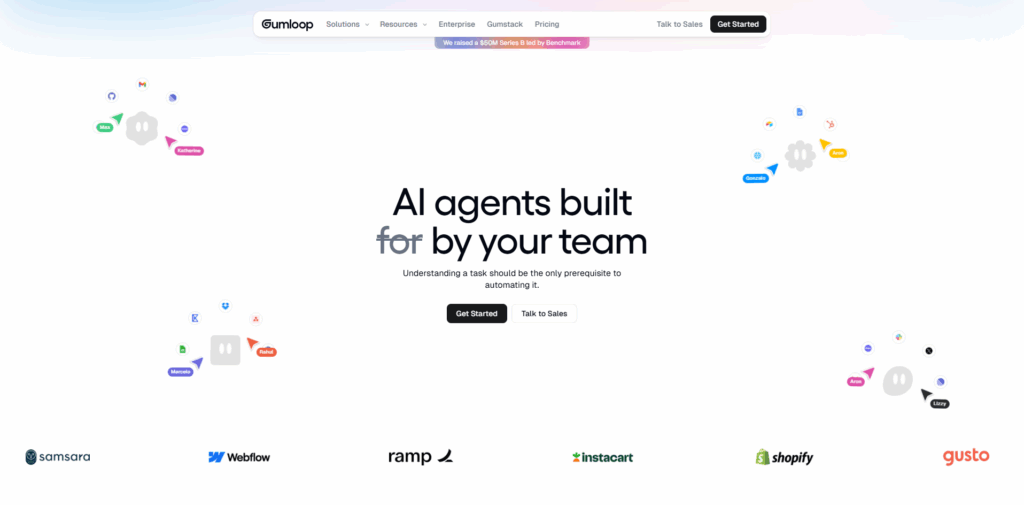
Gumloop is among the popular AI marketing tools that features no-code automation with an AI layer, allowing users to connect large language models to their internal tools and workflows. Using the platform, users can build continuous agents that act on new data in real time, which is ideal for sales, research and admin tasks, and it comes with built-in access to premium models so you avoid juggling API keys.
3. Claude (best for any marketing task)
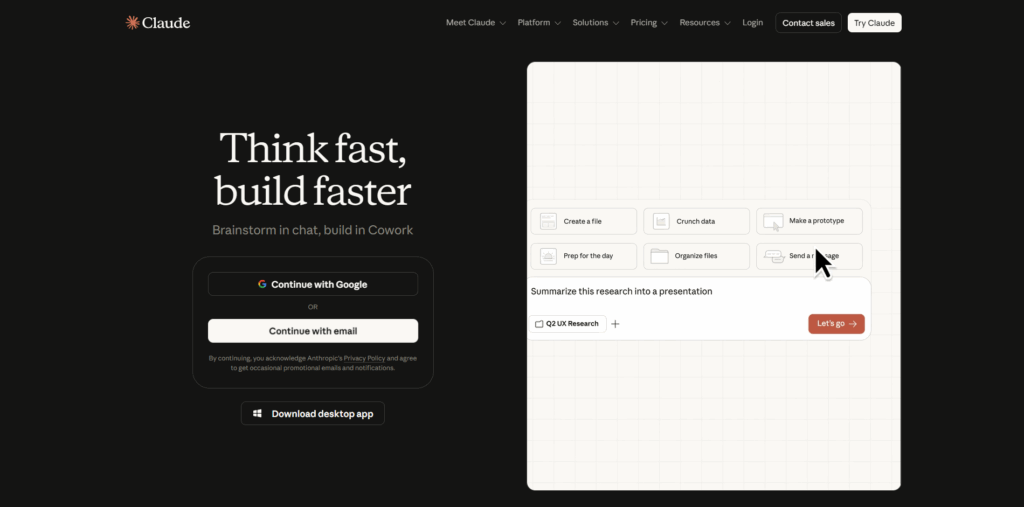
Claude has become a genuine marketing copilot, useful for strategy, copy, research and even building simple internal tools. The platform can handle a wide rnage of marketing and SEO works form a centralized platform, such as projects, custom skills, and integrations with tools like Google Drive and Ahrefs.
4. Surfer SEO (best for content optimization)
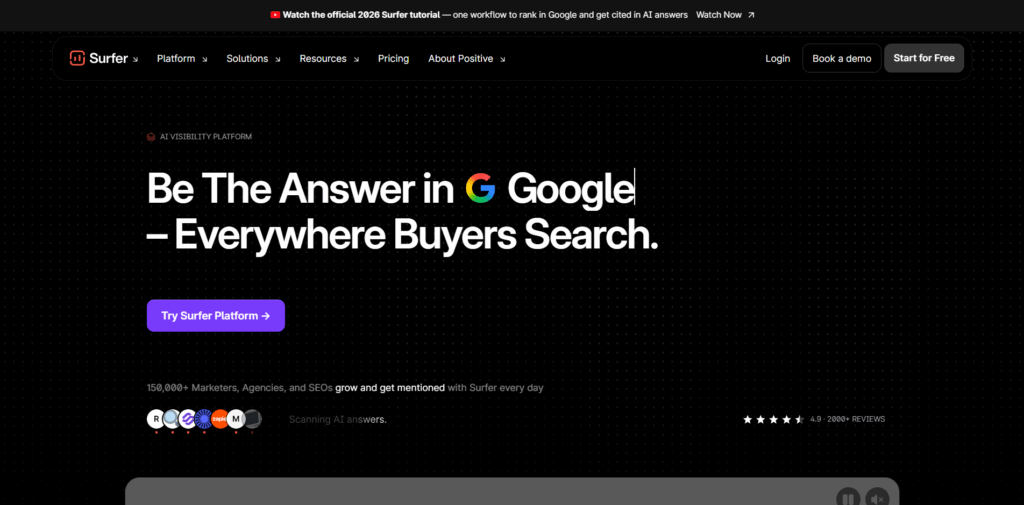
Surfer SEO scores and guides your writing against top-ranking pages, looking at keyword use, readability, length and structure. It works in its own editor or alongside tools like Google Docs and WordPress, and updates your optimization score in real time as you edit.
5. v0 (best for building websites)
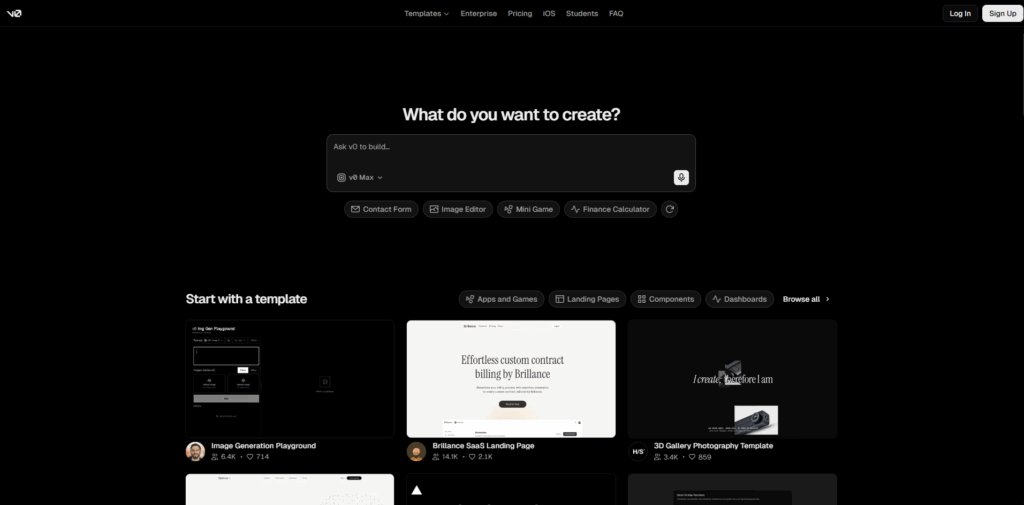
v0 by Vercel turns prompts into polished landing pages and app prototypes, with a strong focus on design and UI. It is a favorite for marketers who want great-looking pages without a developer, and it is free to start before you scale up usage.
6. Google Labs (best for free AI tools)
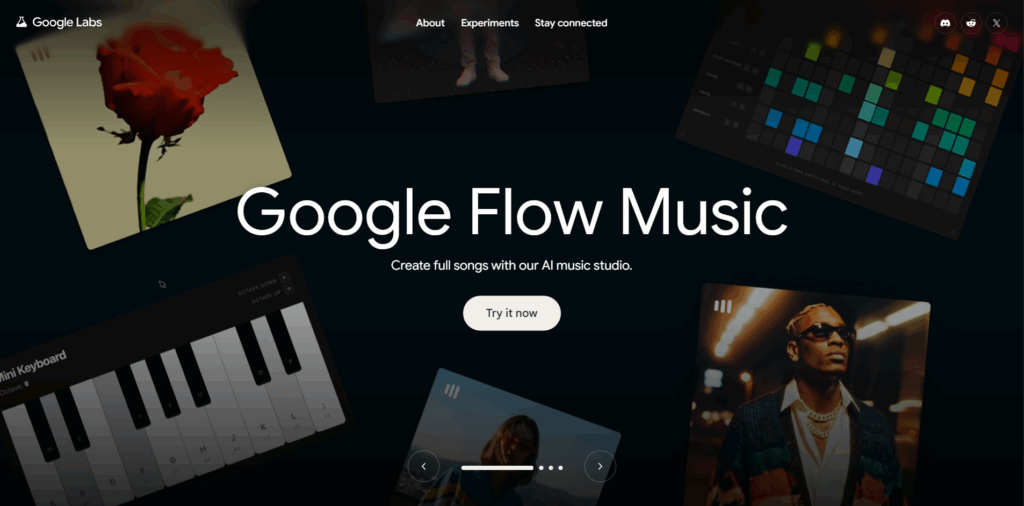
Google Labs quietly ships a range of free AI tools for marketers, designers and developers. One example, Pomelli, studies your website and mimics its design system to create on-brand ads and content, which is handy for performance marketers and DTC brands.
7. Kling AI (best for AI video)
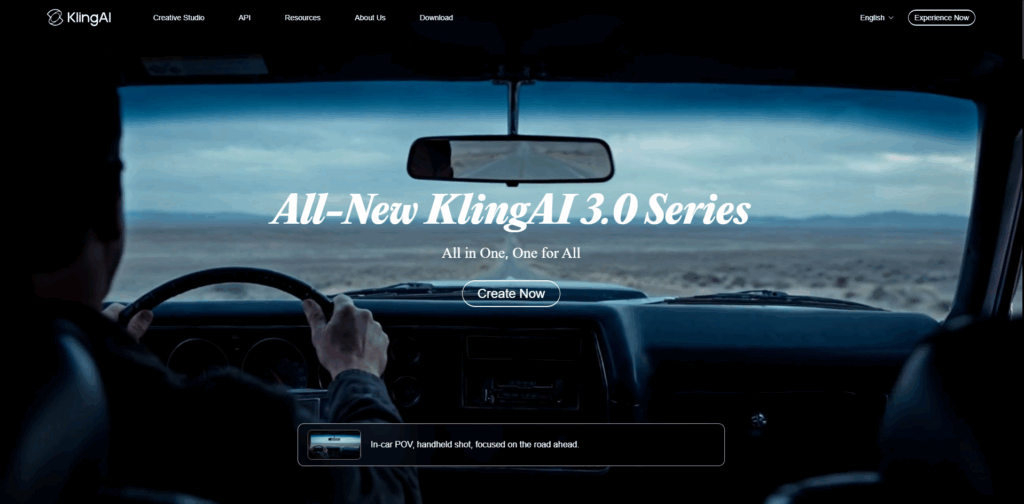
Kling AI is a full creative studio for generating AI video, and many of the AI video ads performing well today are built with it. It pairs naturally with a script tool and a voice generator, and its own models keep improving.
8. Notion AI (best for productivity)
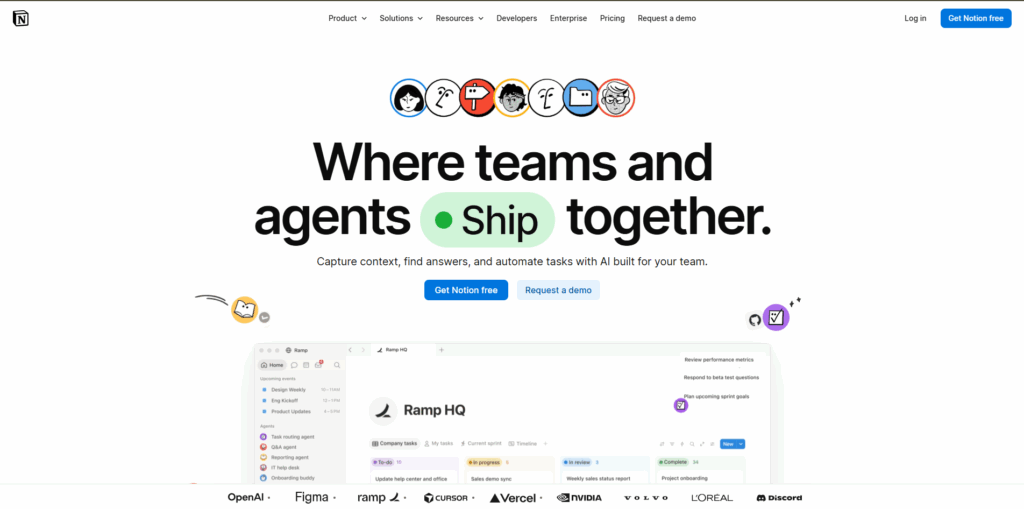
Notion AI is considered best AI marketing tools for small businesses, and it brings an assistant into your Notion workspace, answering plain-English questions about your notes, docs and projects. It can also write, brainstorm, summarize and auto-fill tables, taking the busywork out of staying organized.
9. Jasper AI (best for copywriting)
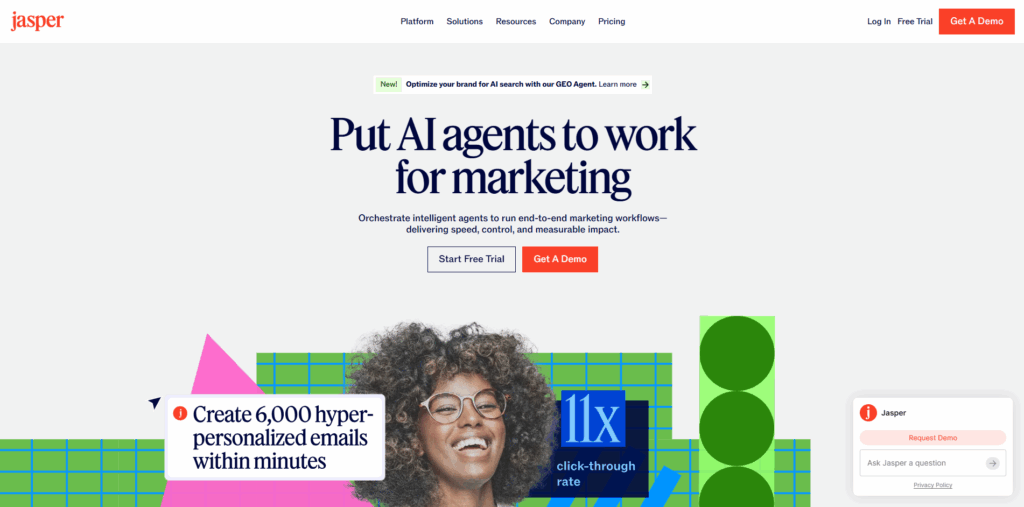
Jasper is a well-known AI copywriting assistant that handles emails, product descriptions, blog posts and landing page copy in a range of tones. It is best treated as a fast way to produce early drafts that a human then polishes.
10. Lexica Art (best for blog thumbnails)
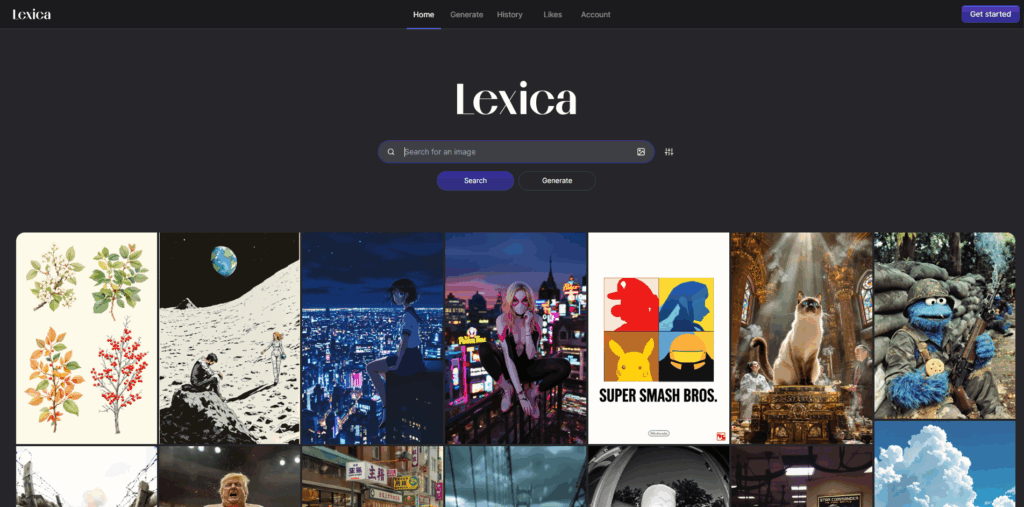
Lexica Art is a high-quality AI image generator often used for blog thumbnails and on-brand social visuals. You can save prompts to keep results consistent with your brand guidelines, making it a strong alternative to stock imagery.
11. LALAL.AI (best for cleaning up audio)
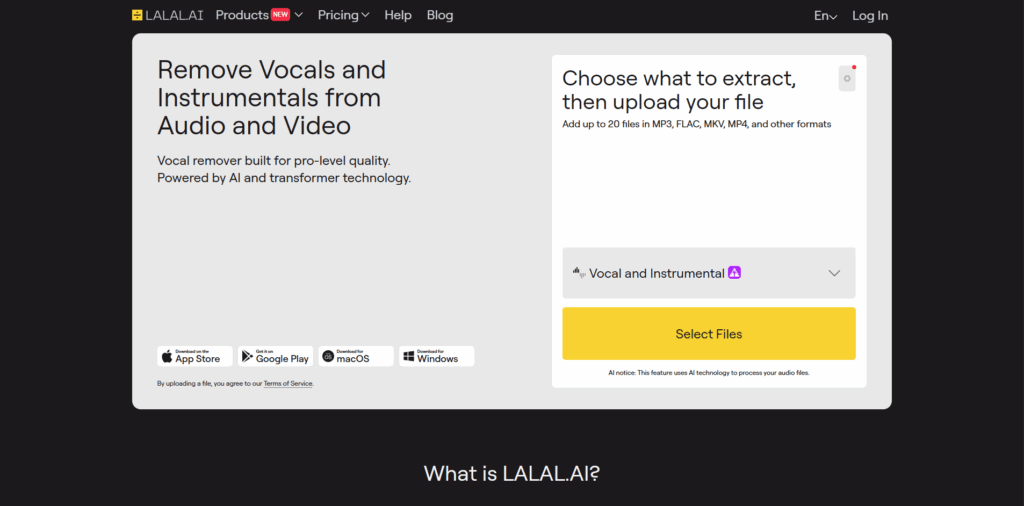
LALAL.AI removes background noise from recordings without degrading the speaker's voice, which most tools struggle to do. It is a great fit for podcasters and video marketers recording in less than perfect conditions.
12. Crayo (best for short-form video)
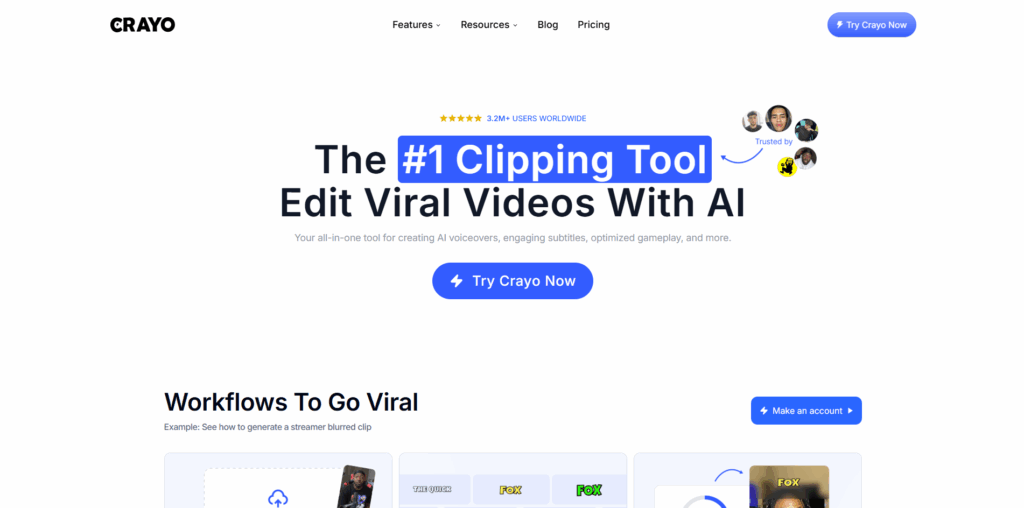
Crayo streamlines short-form video creation for TikTok, Instagram Reels and YouTube Shorts. It helps you ideate, produce and generate clips quickly, which suits any strategy built around voiceovers and graphics that tell a story.
13. Brandwell (best for SEO blog posts)
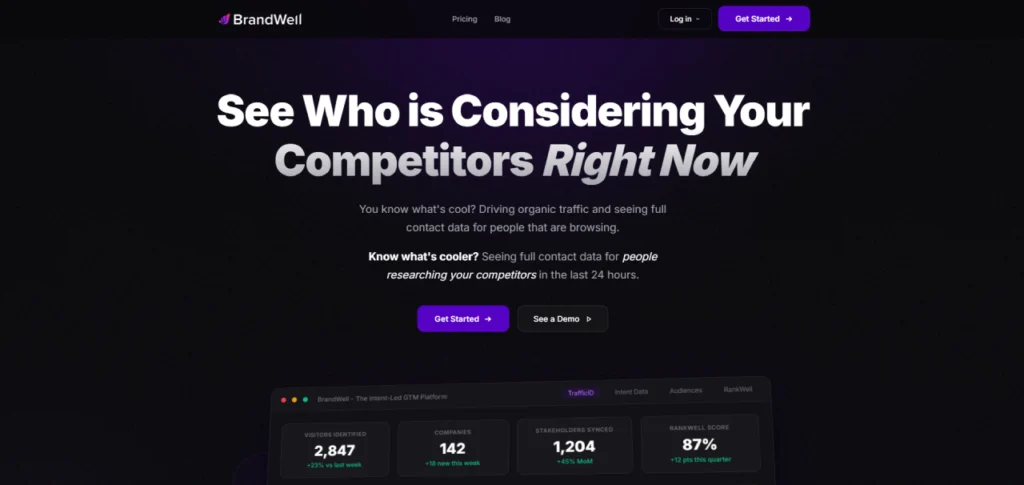
Brandwell, formerly Content at Scale, generates longer SEO blog drafts that often read as more human than typical AI output. The interface is still maturing, but the content quality is strong, and a human review before publishing is always wise.
14. Originality AI (best for AI content detection)
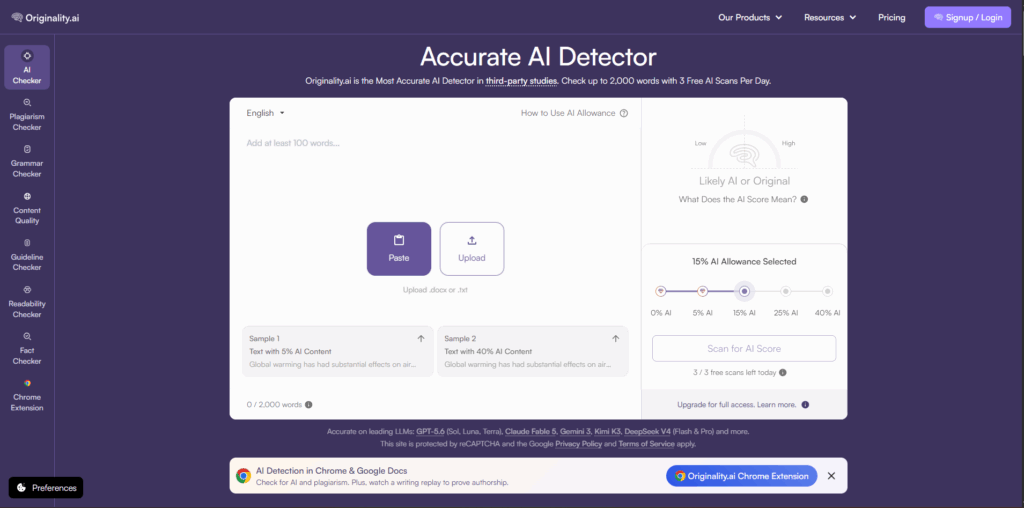
Originality AI is an AI content detector and plagiarism checker, useful for spotting which parts of a draft read as machine-written. It is also handy for checking freelance work, though detectors are imperfect and should be treated as a guide.
15. Writer (best for team content)
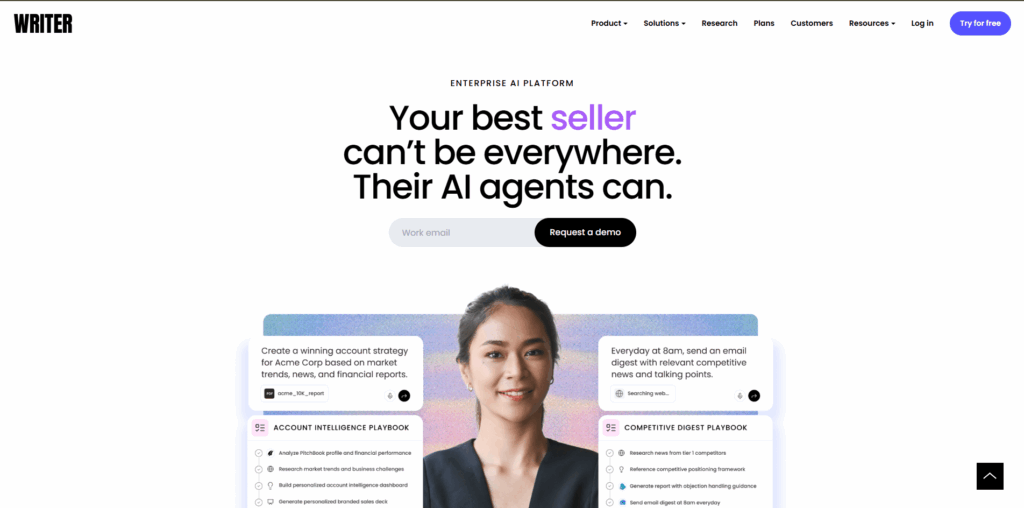
Writer is a writing assistant built for marketing teams that need consistency. It offers autocorrect, clarity checks and a database of approved terminology to keep copy on-brand, making it one of the useful AI Writing Tools for teams that want light-touch AI that suggests rather than rewrites.
16. Undetectable AI (best for rewriting AI content)
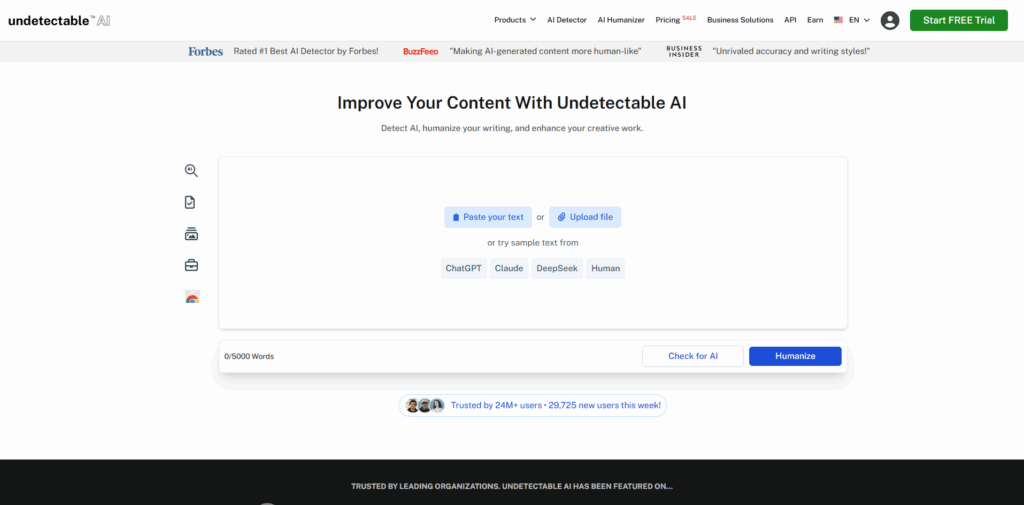
Undetectable AI rewrites machine-generated text to sound more human, and it pairs well with a detector to check the result. It occasionally introduces awkward phrasing, so a quick read-through is still needed.
17. ContentShake AI (best for SEO writing)
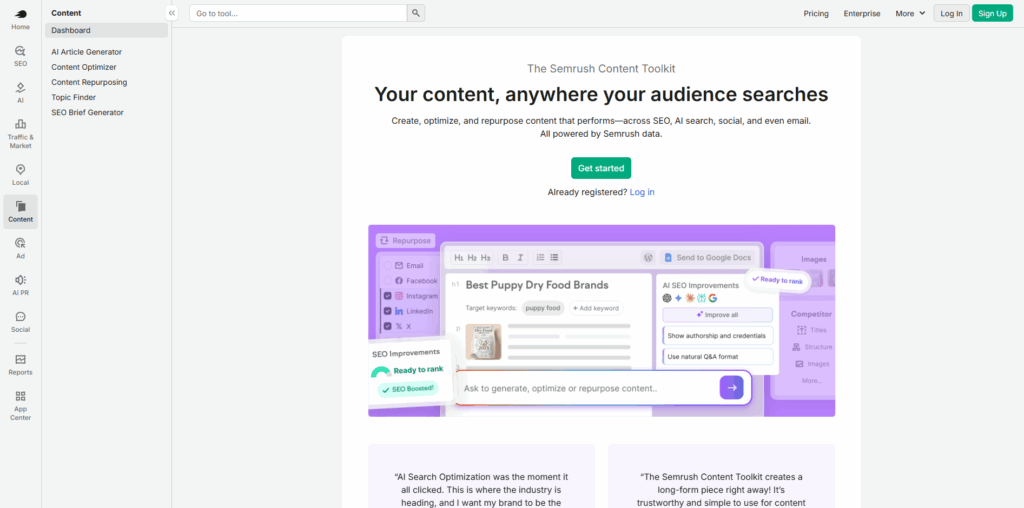
ContentShake AI combines LLM writing with Semrush data to help you create content that ranks. It surfaces trending topics, builds outlines, writes in several languages and can match your brand voice from writing samples you upload.
18. FullStory (best for digital experience)
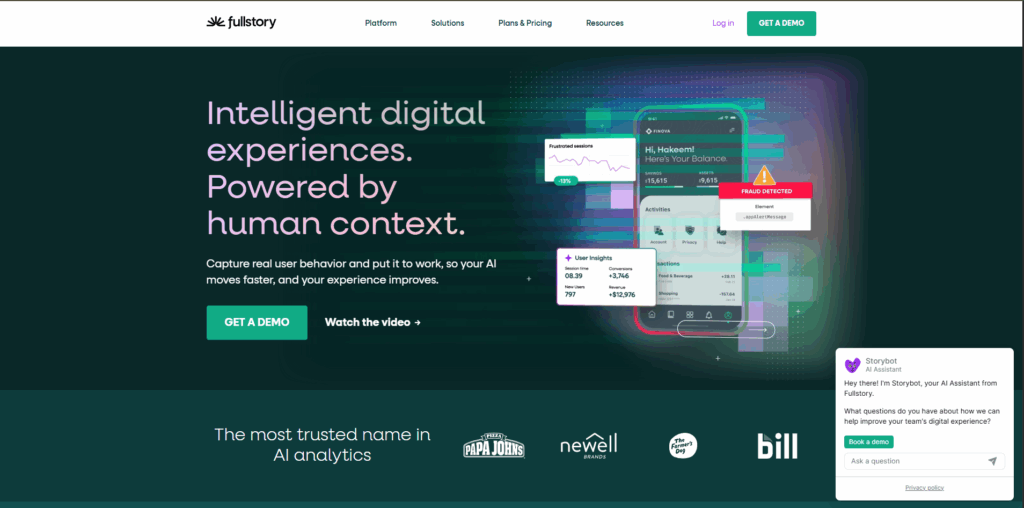
FullStory uses AI to analyze how visitors move through your site, tracking clicks, cursor movement and page visits to build a picture of each journey. Comparing thousands of these reveals opportunities and errors far faster than manual review.
19. Zapier (best for automating tasks)
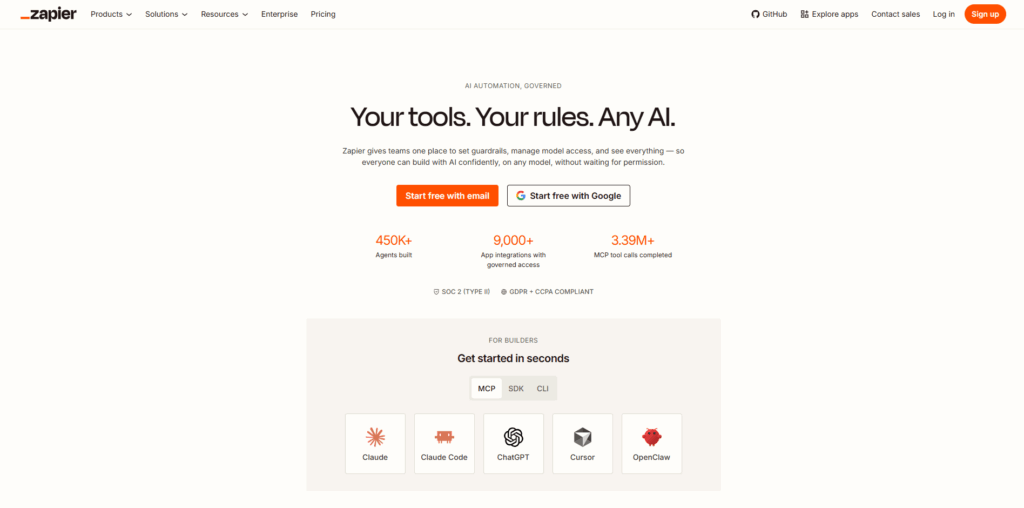
Zapier connects thousands of apps so actions in one system trigger automated steps in others, all without code. Its automations, called zaps, now carry a layer of AI intelligence, and its template library makes setup quick.
20. Hemingway App (best for editing)
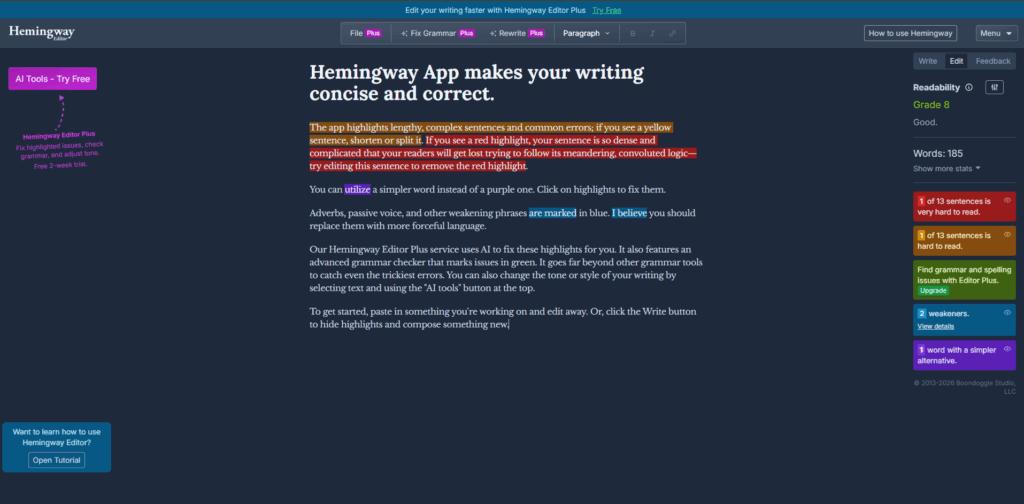
The Hemingway app improves readability by flagging long sentences, passive voice and excessive adverbs, and it assigns a readability score. It is free, simple to use and great for tightening copy, though it can feel too plain for nuanced pieces.
21. Chatfuel (best for chatbots)
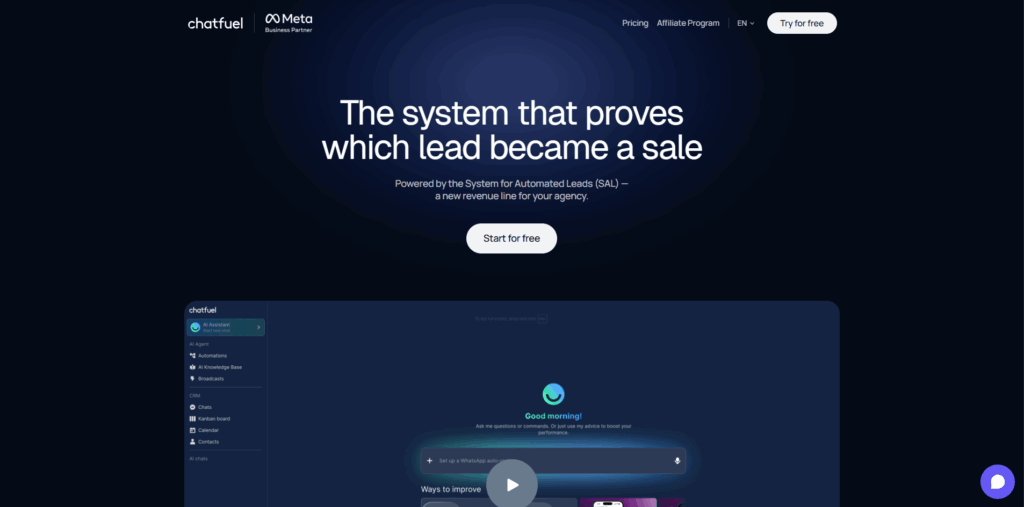
Chatfuel lets you build custom chatbots with a drag-and-drop interface rather than an off-the-shelf script. Its bots handle misspelled or informal messages well, and it is an official Meta partner.
22. Grammarly (best for grammar)
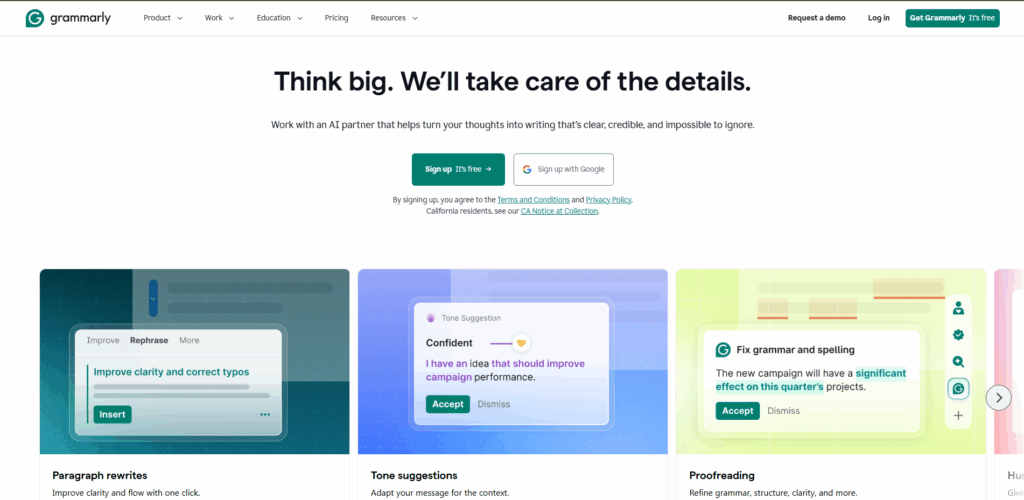
Grammarly analyzes your writing for grammar, punctuation and style, and works across apps like Gmail, Word and social platforms. It highlights errors and suggests improvements, including redundant words and clearer word choices.
23. Albert.ai (best for digital advertising)
Albert.ai personalizes and optimizes ad campaigns at scale across search and social platforms. It functions as a testing lab for creative and targeting, helping surface new audiences and channels while freeing up human creatives.
24. Paradigm AI (best for data research)
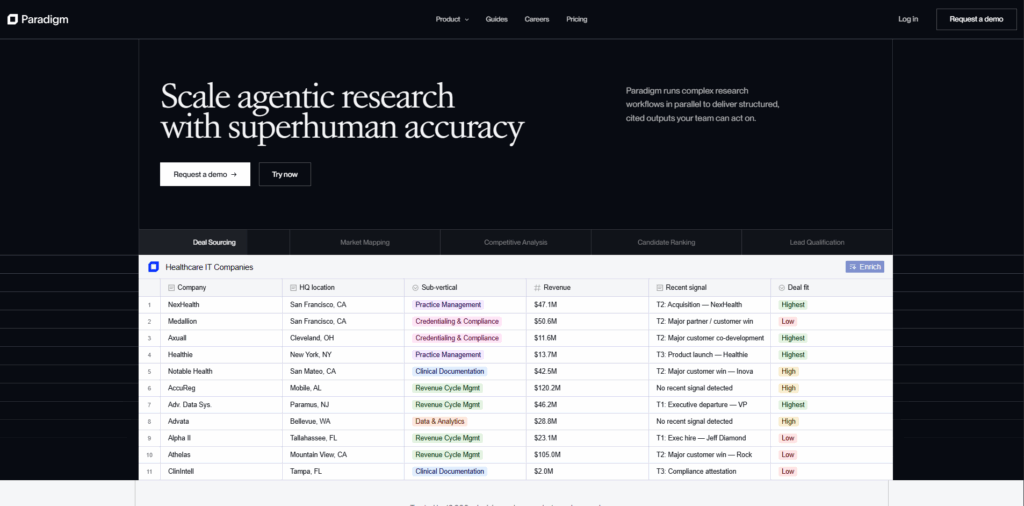
Paradigm AI works like an AI-powered spreadsheet, sending agents out to research the web and fill in the data you need. It is great for building company lists, enriching prospects and analyzing competitors, all in a collaborative workspace.
25. Userbot.ai (best for conversation management)
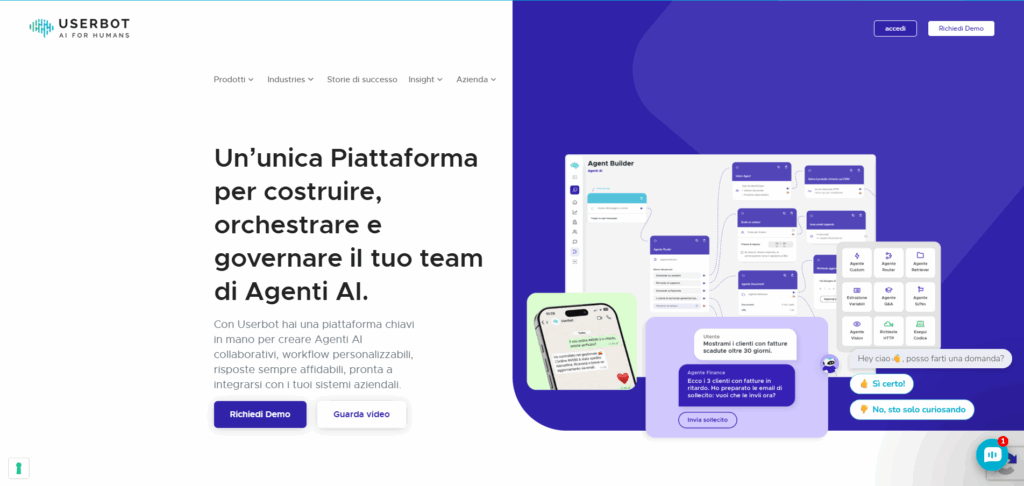
Userbot.ai handles customer conversations and hands off to a human when it cannot answer, learning from that exchange to improve over time. It also captures useful customer data and integrates with popular CRM platforms.
26. Browse AI (best for scraping web pages)
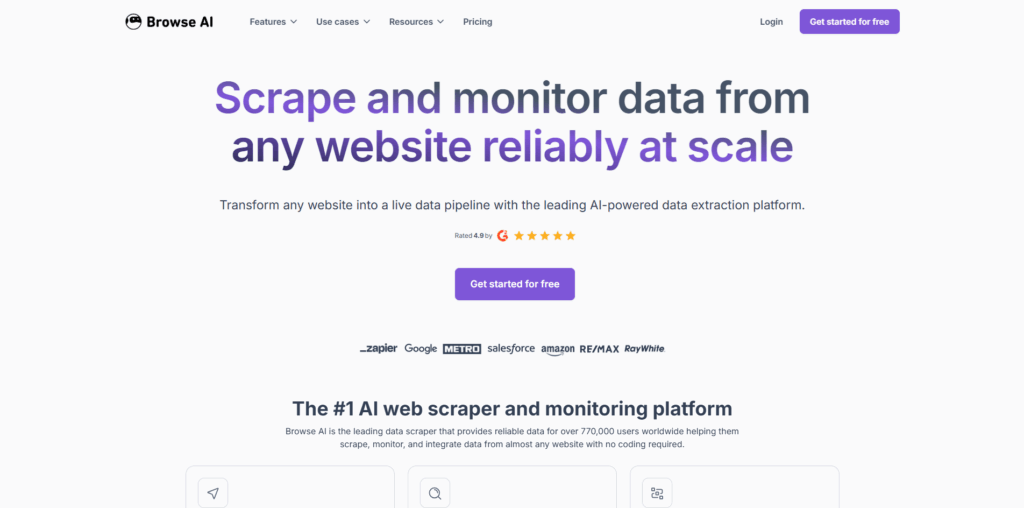
Browse AI lets you train bots to monitor competitor sites for pricing changes, new products and reviews, then delivers the data in a clean spreadsheet. It automates the tedious research that would otherwise take hours.
27. Algolia (best for search and recommendations)
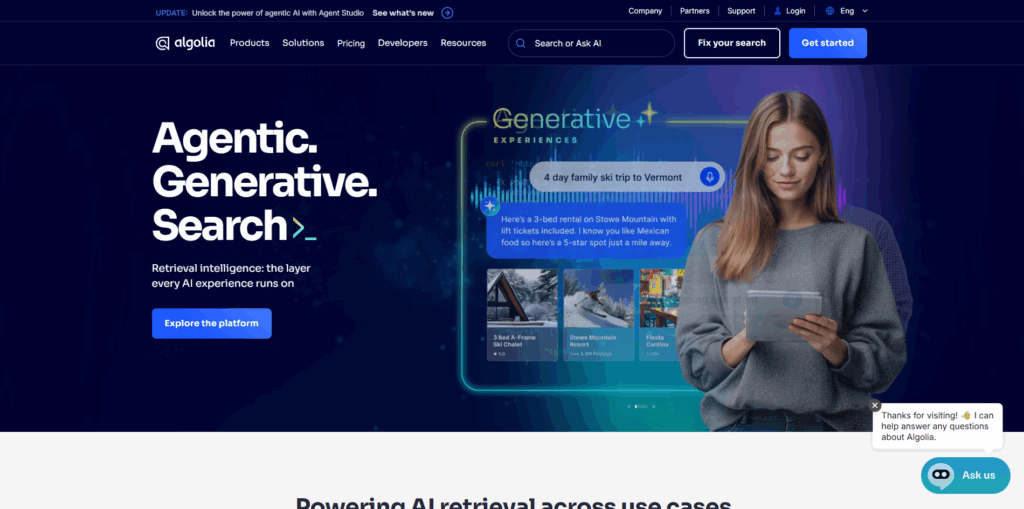
Algolia powers fast, tailored search and recommendation experiences on your own site. It is especially popular with ecommerce firms and large catalogs, where quick, relevant results directly support conversions.
28. PhotoRoom (best for removing image backgrounds)
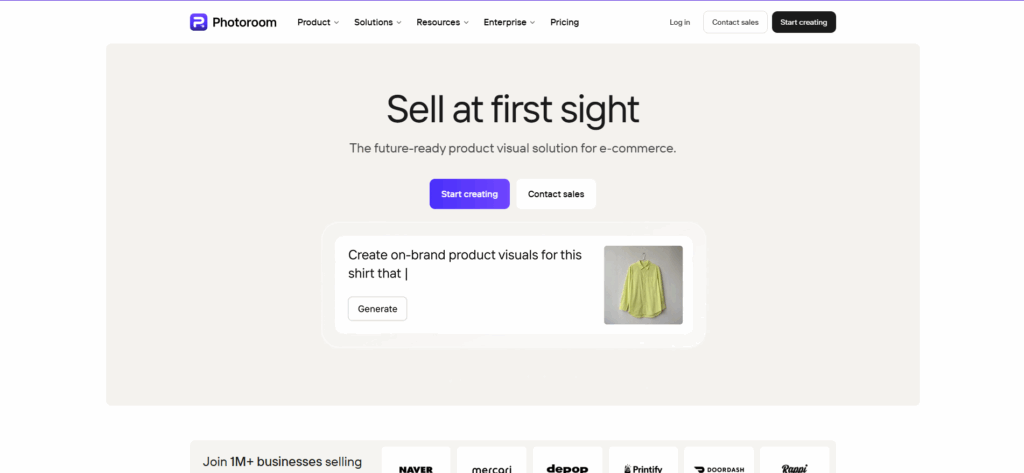
PhotoRoom uses AI to remove or swap the background of any image in seconds, leaving a clean result. It is useful for product shots, team pages and reusable avatars, with free, premium and mobile options.
29. Reply.io (best for email replies)
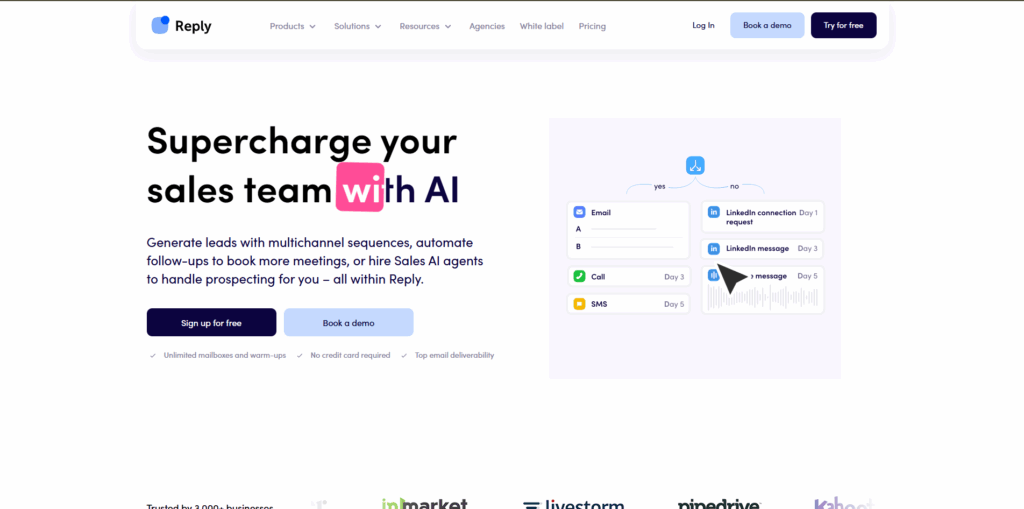
Reply.io's AI Sales Email Assistant automates cold email campaigns and scores responses to highlight the most promising leads. As a broader sales engagement platform, it also offers CRM integrations and predictive analytics.
30. Brand24 (best for media monitoring)
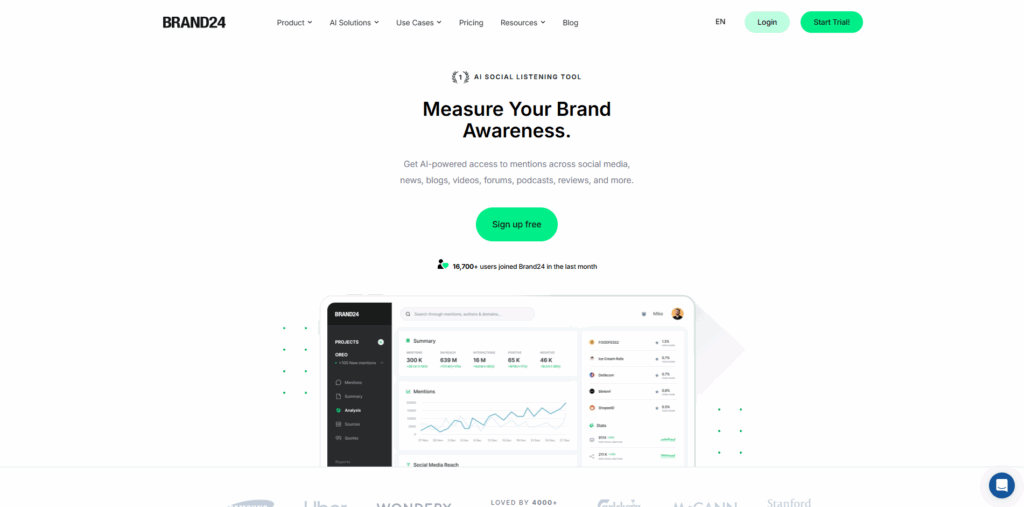
Brand24 scans news sites, social media, blogs and forums for brand mentions, then applies sentiment analysis to reveal how people feel. It helps you respond to criticism early and spot issues before they escalate.
31. Influencity (best for influencer marketing)
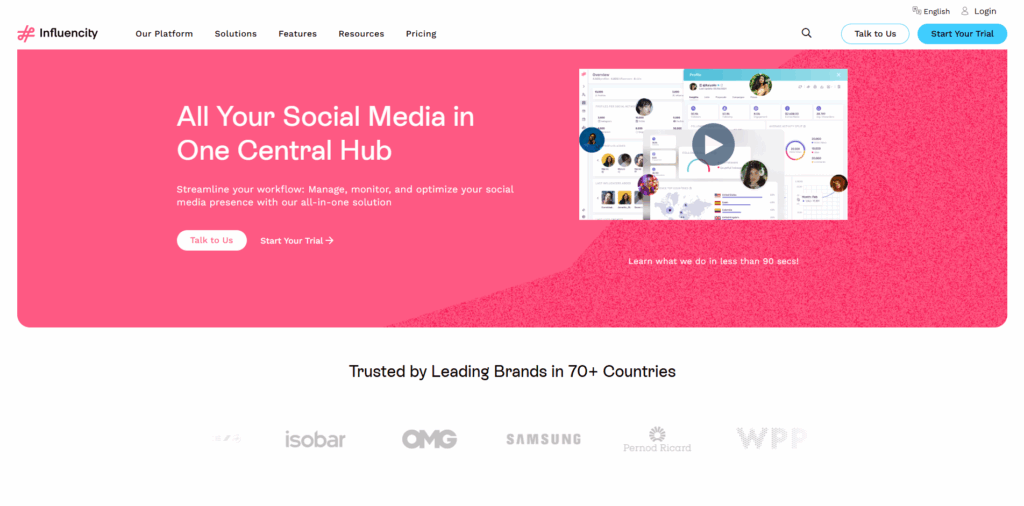
Influencity helps brands find, contact and evaluate influencers, then collaborate on and measure campaigns. It covers all the major social platforms and works well for agencies managing influencer programs across multiple clients.
The Bottom Line
The best marketing stacks combine a few strong AI tools, each handling a different job, from content and automation to research and outreach. Most offer free plans, so the smart approach is to identify your biggest time sinks, test a couple of options per area and expand from there.
For visual and audio content, Getimg.ai is a standout thanks to its unified workspace and access to the latest models in one subscription. Pair it with the right writing, automation and research tools for your goals, and you will build a marketing stack that punches well above its weight in 2026.
%201.png)

%201.png)

%201.png)