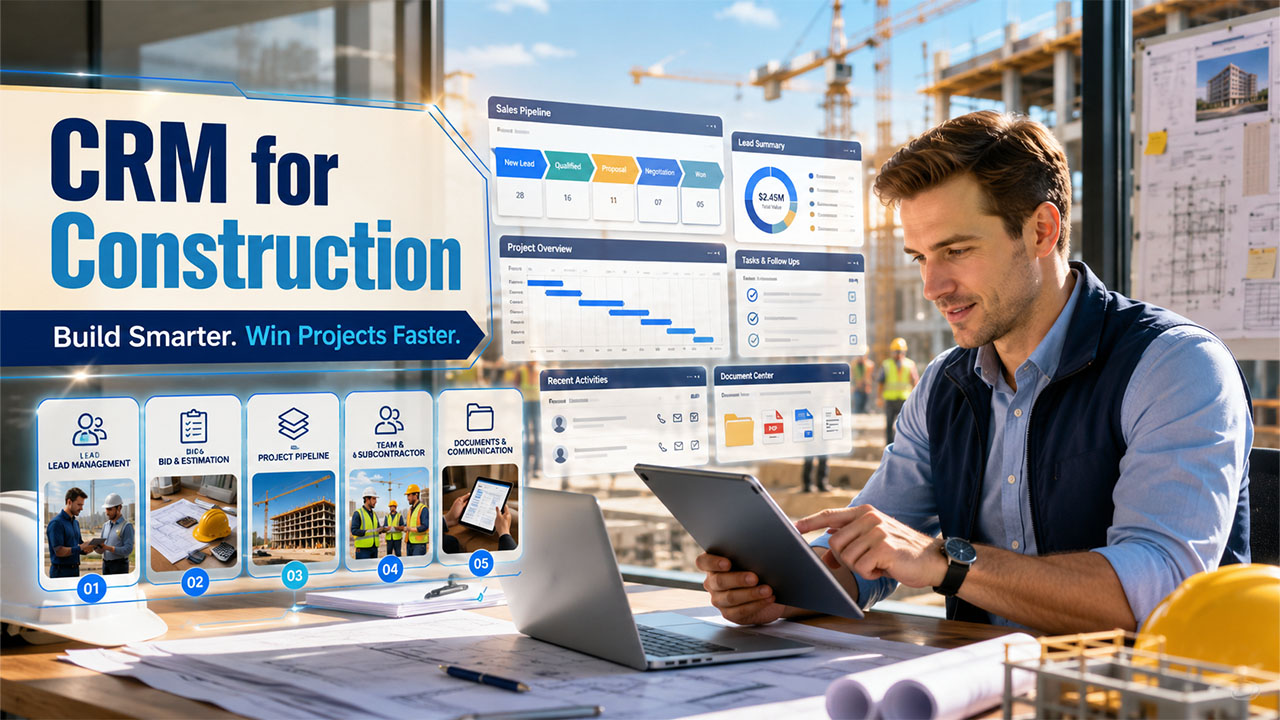

The global construction sector has evolved significantly over the past few years. From managing complex projects to tracking leads and maintaining client relationships, the sector faces various operational challenges that are difficult to manage with a generic CRM platform.
The standard or traditional CRM tools generally fail in the construction sector, mainly as the traditional software focuses on short-term customer accounts. While a dedicated construction CRM platform accommodates lengthy processes, along with multi-stakeholder project teams. Unlike a generic platform, a CRM for construction offers efficient handling of industry-specific complexities, like bidding, tracking, pre-construction management, and subcontractor coordination.
What is CRM for Construction?
CRM for construction is a type of specialized software that is designed to track leads, bids, and client interactions throughout the entire construction lifecycle. The CRM for construction helps businesses in the construction industry efficiently manage various key aspects, like customer relations, sales pipelines, project communication, estimation, contracts, and ongoing client interactions.
Unlike a generic CRM, construction-focused CRM tools are tailored to the unique workflow of the industry, such as big management, project tracking, job costing integration, contractor and subcontractor management, proposal generation, and documentation management, among others.
Key Features of CRM for Construction
The construction-based CRM offers various key benefits to users, including:
- Contact Management: The platform stores customer details, project histories, communication logs, and documents in a centralized database.
- Lead and Opportunity Tracking: CRM for construction can efficiently monitor leads through every stage of the sales funnel and can also ensure no opportunity is lost.
- Project Management Integration: The platform connects sales activities with project execution for seamless operations.
- Workflow Automation: Construction-based CRM platforms help in automating follow-up reminders, task assignments, email sequencing, and approval processes.
Along with CRM tools, companies often use construction drawing management software to store, update, and share blueprints and technical drawings across teams.
How Does CRM for Construction Benefit the Sector?
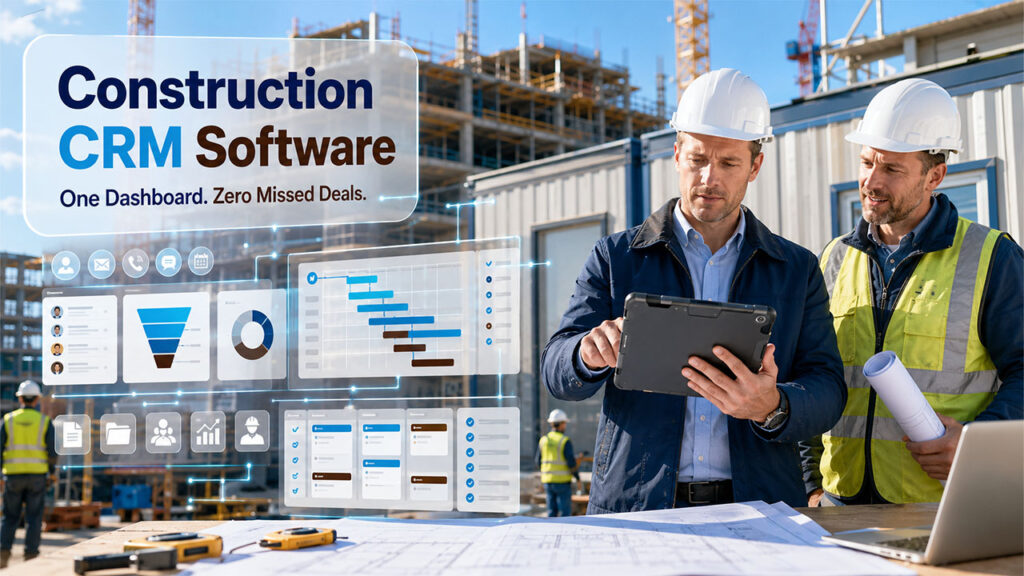
The construction industry operates in a fast-paced ecosystem, in which managing leads, client relationships, project timelines, subcontractors, and documentation can quickly overwhelm businesses. The CRM for the construction sector helps streamline these processes by centralizing customer and project data. The tool also helps businesses improve efficiency, enhance communication, and increase profitability.
Some of the key benefits of CRM for construction are as follows:
1. Improve Lead and Opportunity Management
The CRM for construction software helps in capturing, organizing, and tracking leads from the first inquiry through contact signing. Through the platform, the sales team can also monitor opportunities, schedule follow-ups, and ensure no potential project is overlooked.
2. Enhance Client Communication
The CRM tool offers a centralized platform through which all customer interactions, email, calls, proposals, and project updates are stored. This allows the teams to quickly respond to client inquiries, maintain transparency, and deliver a better customer experience.
3. Improve Project Coordination
The platform helps connect sales teams, project managers, contractors, subcontractors, and clients by providing access to shared project information, schedules, and documentation. This improves coordination, reduces misunderstandings, and ensures that the project moves smoothly.
4. Increased operational Efficiency
The CRM software automates repetitive tasks, like lead assignments, follow-up reminders, appointment scheduling, and document management. This helps reduce administrative workload.
Tools like CRM can work alongside systems such as construction payroll software to ensure accurate salary processing, labor tracking, and project cost control.
Top 5 CRM for Construction
In the construction sector, choosing the right CRM makes a major difference in how efficiently a construction business manages leads, clients, and ongoing projects. The top 5 CRM for the construction industry include tools like Buildertrend, JobNimbus, HubSpot CRM, Salesforce, and Zoho CRM.
A quick comparison of all the different tools is as follows:
| CRM Tool | Key Strength | Ease of Use | Best for |
|---|---|---|---|
| Buildertrend | All-in-one CRM and Project management | Medium | Home builders, remodelers, full-service contractors |
| JobNimbus | Simplicity and Automation | Easy | Roofing and specialty contractors |
| HubSpot CRM | Free CRM and Marketing tools | Very Easy | Sales-focused construction firm |
| Salesforce | Deep customization and AI analytics | Complex | Large construction enterprises |
| Zoho CRM | Affordable and Flexible Automation | Medium | Small to mid-sized construction companies |
1. Buildertrend
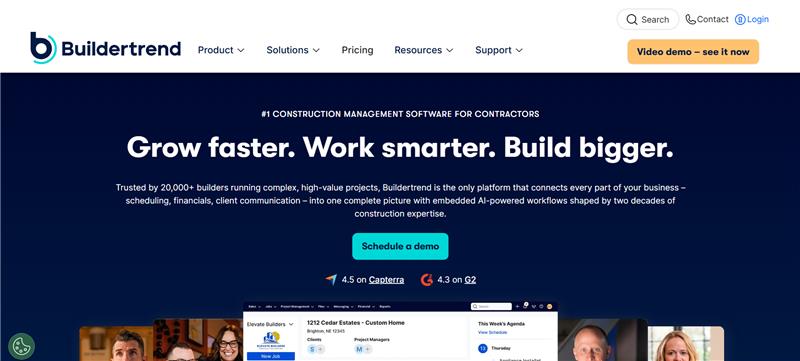
Buildertrend is among the most popular all-in-one CRM platforms for construction companies. The platform combines key CRM features with full project management tools. The platform not only helps track leads but also manages the entire project lifecycle after the deal is closed.
Key Features
- Specially designed for construction workflow.
- Strong client communication tools.
- End-to-end project tracking.
- Scheduling, budgeting, and document storage in one system.
2. JobNimbus
JobNimbus is a workflow and CRM platform that is popular among roofing and specialty contractors. The platform focuses heavily on simplicity and automation.
Key Features
- Easy-to-use sales pipeline tracking
- Strong task automation
- Lightweight compared to other systems
3. HubSpot CRM
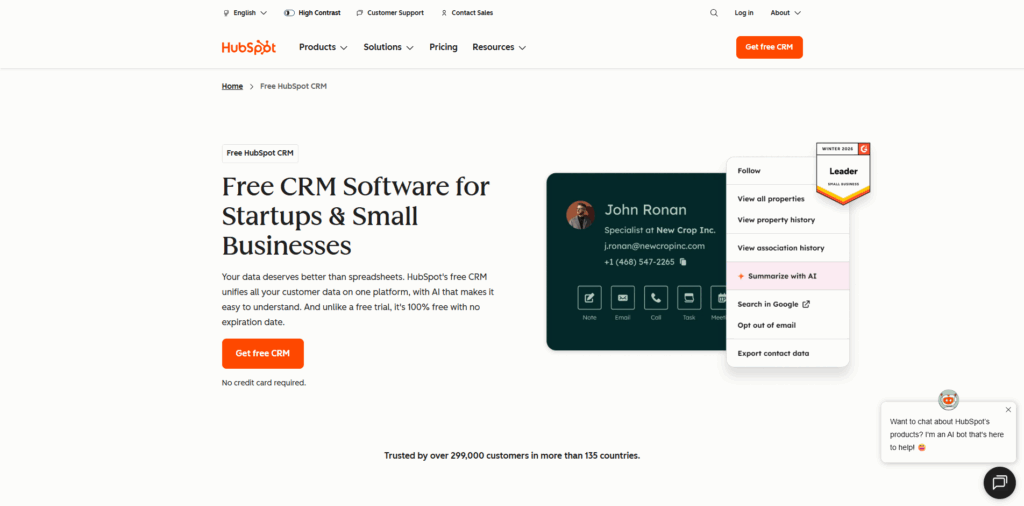
The HubSpot CRM is a widely used general-purpose CRM that is not specifically designed for the construction sector. The platform is still considered an effective tool for managing leads and sales pipelines. It is especially popular because it offers a free version and is easy to get started with.
Key Features
- Free plan with strong core features.
- Easy integration with marketing tools.
- Simple interface for sales teams.
4. Salesforce
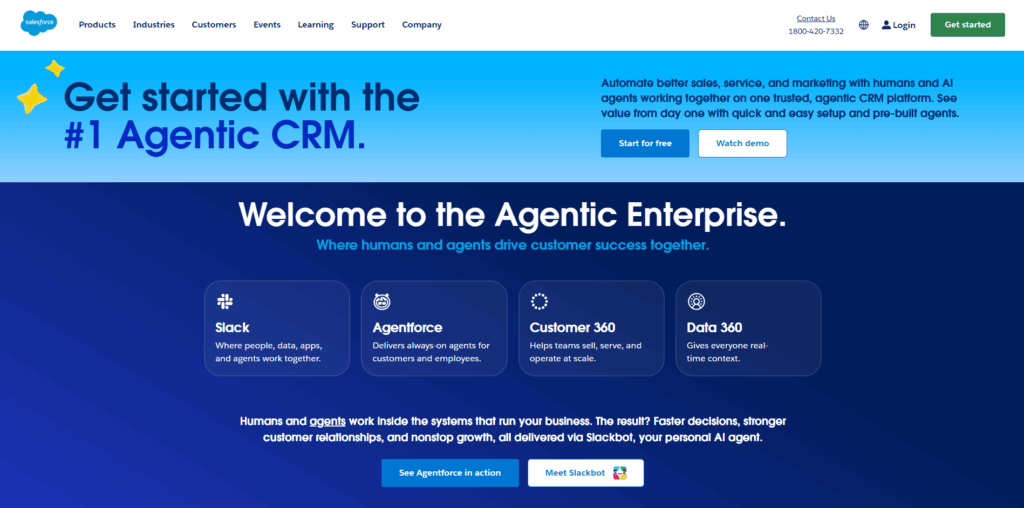
Salesforce is among the most popular CRM platform the is highly customizable. The platform is generally used by large construction firms and enterprise-level companies.
Key Features
- Extremely powerful customization options
- Strong reporting and analytics tools
- Scales well for large organizations
5. Zoho CRM
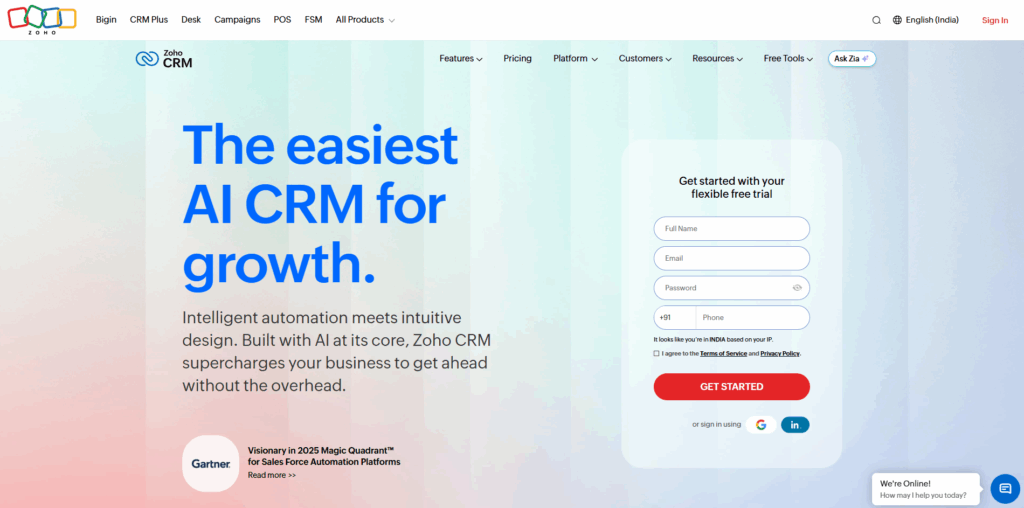
Zoho CRM is a cost-effective and flexible CRM platform that works well for small to mid-sized construction companies. The platform offers a wide range of features at a lower price, compared to other enterprise-level tools.
Key Features
- Affordable pricing with strong features.
- Highly customizable workflows.
- Good automation and reporting tools.
Choosing the Best CRM for Construction
Every construction company operates differently, so the selection process for a CRM for construction differs for every firm. The selection mainly depends on size, project type, budget, and workflow. There is no single CRM ideal for every type of company; instead, the goal of the organization should be to evaluate its needs and match them with the right software.
1. Understanding Business Size and Structure
The first step in choosing the right CRM for construction is to evaluate the size of the organization. Small contractors usually need simple tools that can help with managing leads, quotes, and follow-ups. Mid-sized companies require balanced CRM and project management features. While large construction firms need an advanced system with enhanced customization, reporting, and team collaboration tools.
2. Identify Core Needs
Some construction companies focus on sales, while others need strong project coordination. Before choosing a CRM platform, users need to evaluate what types of tools they require.
3. Check Industry-Specific Features
A CRM platform designed specifically for construction benefits the industry the most. The CRM for construction platform includes key features, such as estimation tools, job costing, project scheduling, and subcontractor coordination.
4. Ease of Use
The ease of use is considered a crucial factor in choosing the right CRM for construction. If the platform is complex, adoption is reduced, while if a platform is simple, it may not support long-term growth.
Limitations of CRM for Construction
While CRM for construction can help significantly in improving lead management, communication, and project tracking, it is not considered a perfect solution on its own. There are various key challenges associated with CRM for construction, including:
- Higher Implementation Effort: The process of setting up a CRM for construction often requires migrating existing data, configuring workflows and pipelines, and training staff. This process can take time and can temporarily slow down operations.
- Learning Curve for Teams: In a construction environment, fieldwork is considered more common than office-based software usage. In the industry, office staff may adapt to the platform quickly, while field workers may struggle with a complex interface.
- Limited Functionality Without Add-ons: Many CRM tools do not cover any construction needs. In some platforms, tools like estimating may be basic or missing; advanced project scheduling may require integrations, and accounting and job costing often need external software.
Conclusion
Selecting the best CRM for construction mainly depends on various factors, like the company's size, goals, and operational requirements. The right CRM can help construction companies streamline lead management, improve customer communication, and enhance project visibility.
As competition in the construction sector continues to grow, investing in a robust CRM tool becomes crucial. Companies that embrace CRM technologies sooner are set to positioned themself at a better position to win more projects, deliver exceptional customer experiences, and achieve sustainable growth.
FAQs About CRM for Construction
Q. Why do construction companies need CRM?
A. Construction companies need CRM tools mainly to improve lead tracking, streamline communication, and manage projects efficiently.
Q. Are Zoho CRM and JobNimbus considered ideal for small construction companies?
A. Yes, Zoho CRM and JobNimbus are considered ideal for small businesses, as it offers easy to use and affordable software.
Q. What are the essential features of the construction of CRM?
A. The CRM for construction should have a few essential features, like lead tracking, project management integration, document storage, and automation.
Q. Can I integrate CRM with construction tools?
A. Yes, many CRM construction platforms offer easy integration tools, like accounting, scheduling, estimating, and project management.
%201.png)

%201.png)

%201.png)