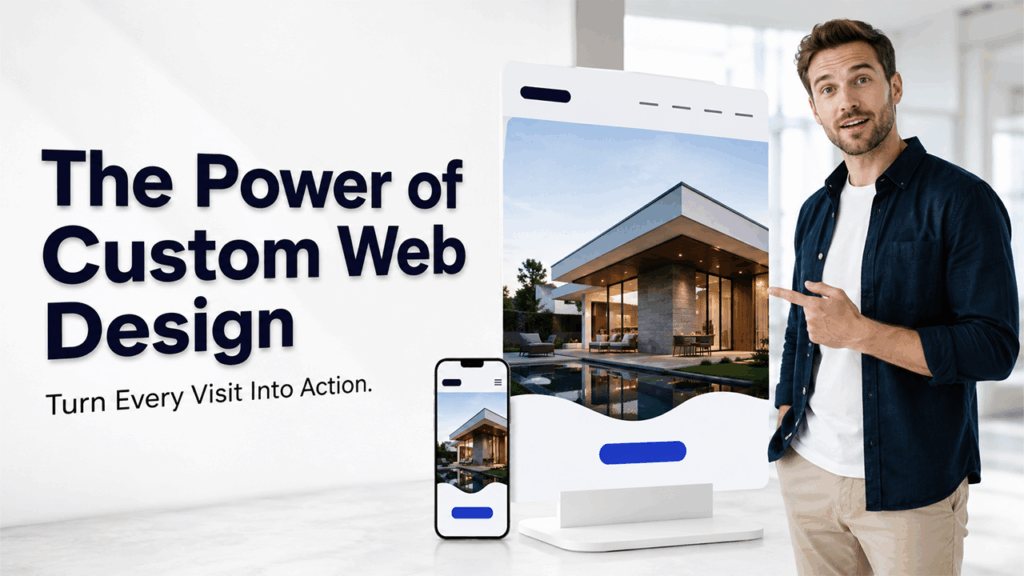

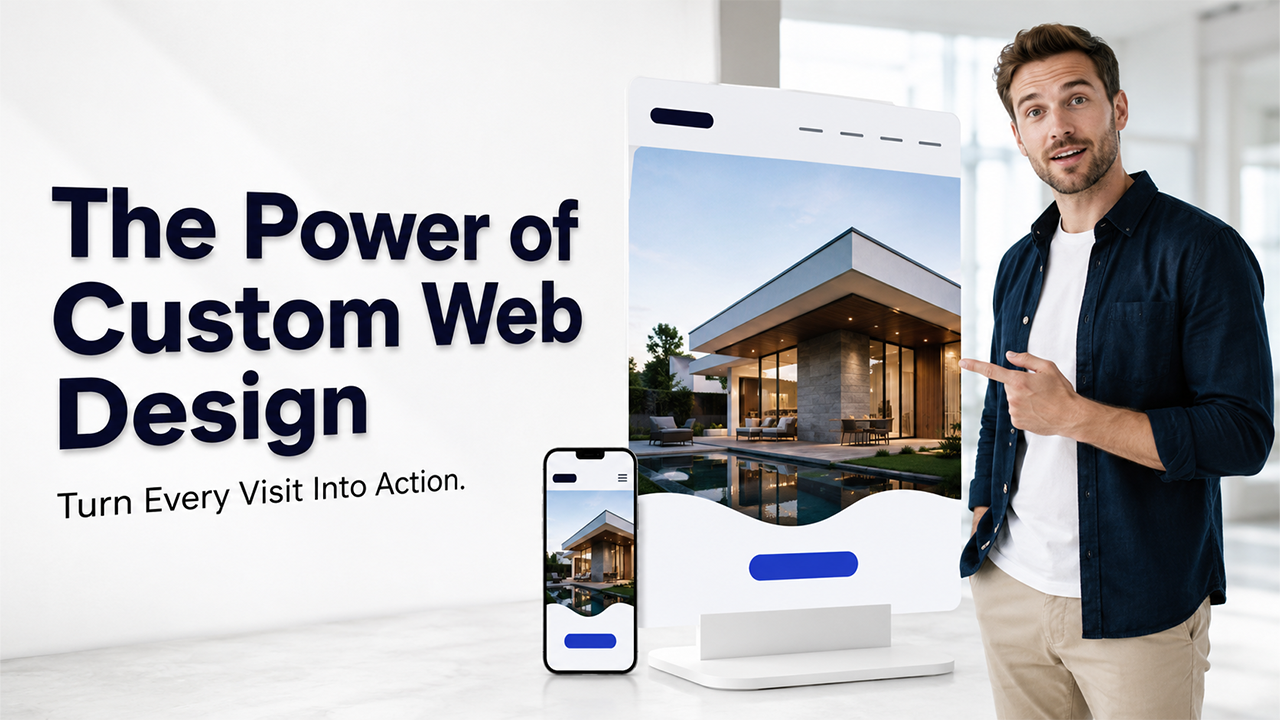

Your website has a big job to do. It needs to explain what you do, make your brand stick in people's heads, answer questions, and ideally convince visitors to take action. That's a tall order for a stack of web pages.
Custom web design changes the game. Instead of forcing your business into a pre-made layout, you build an experience around your audience, your goals, and the way you actually want people to interact with your brand.
And there's one part of the process that often gets overlooked: Migrating years of content is the hardest part of a website built from scratch, and it is the part most quotes underestimate.
What Makes a Digital Experience Truly Engaging?
An excellent site is not necessarily engaging just because it is modern. Users do not care about how much effort you invested in designing if they cannot access their requirements.
Well-designed sites create an element of consistency. Buttons behave the way people expect it. Pages feel connected. Key info pops instead of hiding behind a wall of text.
Bottom line: the best websites don't make people think harder than they have to. Here's the kicker – research shows visitors decide whether they like your site in about 50 milliseconds.
That's faster than a blink. So you've got to grab their attention fast and keep them interested long enough to actually stick around.
How a Website Built From Scratch Creates a More Personalized Experience
While templates can be helpful, they come at a price. The same template needs to be flexible enough to accommodate the needs of organizations.
However, when building a custom website, things are somewhat different. Rather than thinking about how to adapt the business to a particular structure, the emphasis is on finding out what people need.
This approach allows for exploring a wide range of options. For instance, it is possible to build navigation based on customers' questions and arrange products or services pages accordingly.
5 Ways Custom Web Design Improves Digital Engagement
1. It Gives Your Brand a Personality
Think about the websites you remember. Chances are, they didn't look like every other site you visited that day.
The possibility of custom design presents companies with a way of attaining this goal. Your design can speak to your brand identity rather than repeating what you have already seen in a thousand other websites.
This fact makes a lot of sense in view of the following findings. According to a Stanford study, 75% of people determine the credibility of companies through their websites’ design. Therefore, if your website looks like any other, you are both uninteresting and unworthy of belief.
2. It Makes Navigation Easier
Nobody enjoys hunting through a website for a simple answer.
Custom web design lets you organize information around how visitors actually use the site. Important pages become easier to find, menus get simpler, and content actually makes sense in the order it's shown.
The goal? Help people get where they want to go without forcing them to figure out how your site works.
3. It Creates a Better Mobile Experience
Your site doesn't get to pick which device people use. Someone might browse on a laptop at work, switch to their phone at lunch, then come back on a tablet that evening. It needs to feel solid everywhere.
Custom design builds for all those scenarios from the start. Text stays readable, navigation stays simple, buttons are easy to tap, and nothing important vanishes on smaller screens.
4. It Can Improve Performance and Accessibility
Your site can look great and still annoy people if it takes forever to load or feels awkward to use.
Custom design means you decide what actually belongs on each page. Skip the unnecessary stuff. Shrink those huge images. Keep pages focused on what people came for.
And yeah, accessibility matters. Not everyone uses the web the same way – your site should work for as many people as possible.
5. It Guides Visitors Toward Action
A strong website does not leave visitors wondering, “Okay, what now?”
Whether the goal is to request a quote, book a demo, buy a product, sign up for an email list, or contact a business, the design should make the next step obvious.
Custom layouts can put calls to action in places that fit naturally into the customer journey, which is central to lead generation. Forms can be simplified. Important information can appear before a visitor has to search for it.
Design for the Experience, Not Just the Website
The essence of custom web design is not about using fancy animations and making the website look good.
If everything comes together in branding, navigation, mobile compatibility, speed, content, and conversion path, there will be less incentive for people to exit your website and more reasons to stay.
This is precisely the main idea behind custom web design.
%201.png)

%201.png)

%201.png)