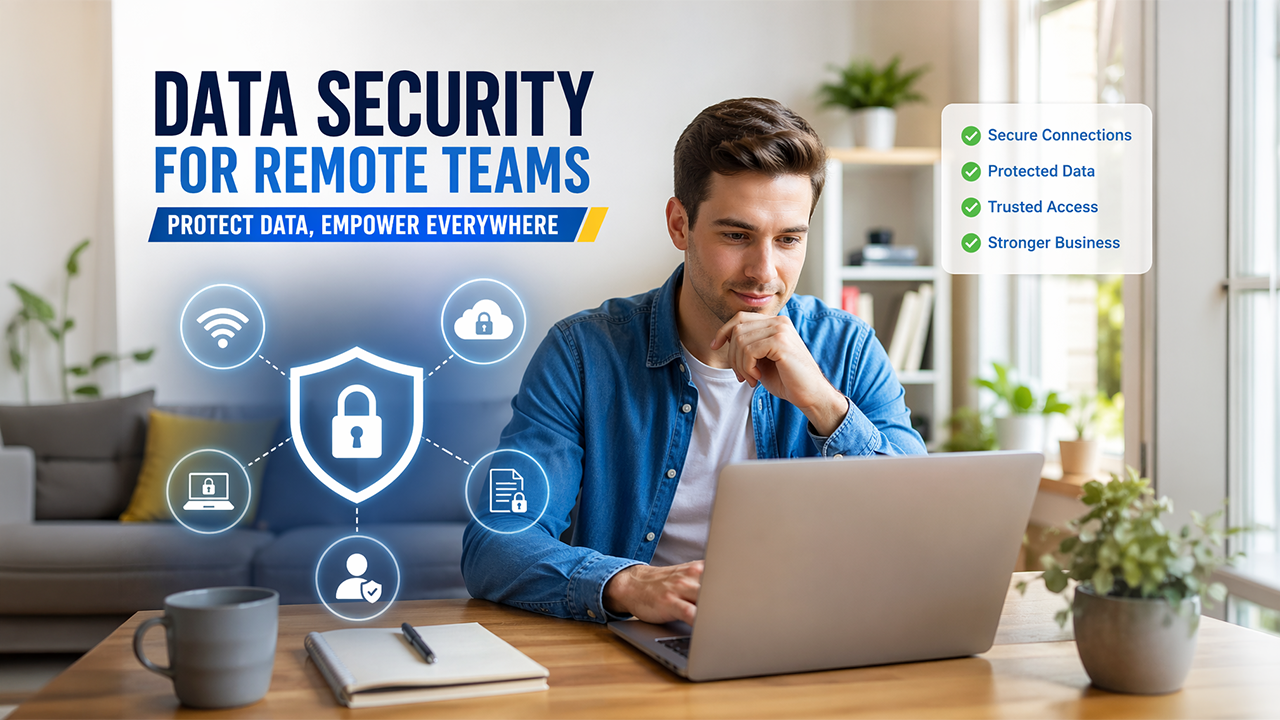

Learn practical strategies that help companies strengthen data security for remote teams and prevent leaks, cyberattacks, and costly business disruptions.
Has your company taken the right steps to protect data security for remote teams?
Remote work is no longer an emerging trend. Today, entire teams collaborate online using project management tools, CRM platforms, communication apps, and cloud based systems.
This shift has created enormous opportunities for companies of every size. Teams can operate from different locations, attract global talent, and stay productive without a centralized office.
At the same time, this new model introduces a challenge many organizations are still learning to manage: protecting sensitive information outside the traditional workplace.
In this context, companies increasingly explore digital protection solutions such as encryption tools and services for download VPN, which help secure connections and safeguard information accessed beyond the corporate network.
However, when every employee works from a different environment, protecting company data requires more than traditional security measures.
Why data security for remote teams matters
Data security for remote teams has become a critical priority for modern businesses.
In the traditional office environment, most systems operated within a controlled corporate network. This centralized structure made it easier for IT teams to manage and monitor security.
Remote work changes that reality entirely.
Employees now access company platforms from a wide range of environments, including:
- Home networks
- Public WiFi connections
- Internet access in hotels or airports
- Personal devices used for work tasks
Customer data, financial reports, internal strategies, and confidential files may travel through networks that do not always provide the same level of protection as corporate infrastructure.
As a result, many organizations have begun investing not only in productivity tools but also in solutions designed to secure digital communication. One example includes services available through download VPN, which add an extra layer of encryption and protection to internet connections.
Everyday situations that can expose company data
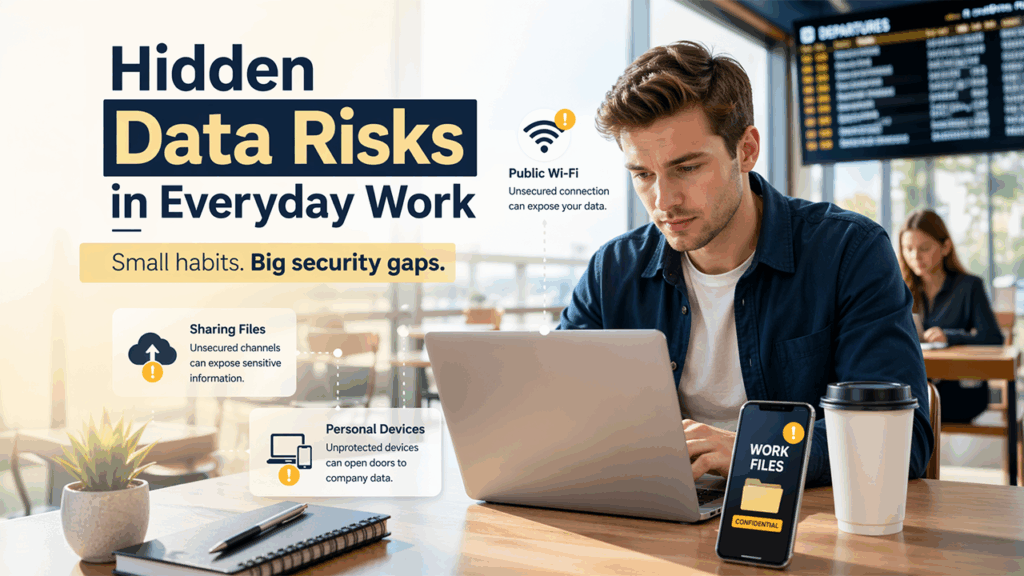
Not every security incident results from advanced cyberattacks. In fact, many vulnerabilities appear through simple everyday habits.
Here are a few situations that can create risk for organizations with distributed teams.
1. Using public WiFi for work related tasks
An employee may need to access the company CRM while waiting for a flight or working from a coffee shop. Without proper protection, this connection can expose sensitive data to potential interception.
2. Sharing files through unsecured channels
Confidential documents such as customer records, financial plans, or business strategies may travel through email or cloud storage platforms. If these systems are not configured securely, data may be exposed.
3. Accessing company systems from personal devices
Many remote organizations adopt BYOD policies where employees work using their own laptops, tablets, or phones.
While this approach increases flexibility, it also requires additional attention to device security, software updates, and safe browsing practices.
Best practices to strengthen data security for remote teams
The good news is that protecting business data does not require overly complex systems. Many effective security measures are practical and easy to implement.
Here are some essential practices for companies managing remote teams.
Establish clear security policies
Employees should understand exactly how they are expected to access company systems and manage sensitive data.
For example, organizations can encourage team members to avoid public networks when handling confidential tasks, enable two factor authentication, and keep devices regularly updated.
Clear guidelines reduce the likelihood of human error, which remains one of the most common causes of security incidents.
Invest in digital security training
Many security breaches occur simply because users cannot recognize common online threats.
Training sessions that cover topics such as phishing attempts, password management, and safe internet use can significantly reduce risk across the organization.
Adopt tools that secure internet connections
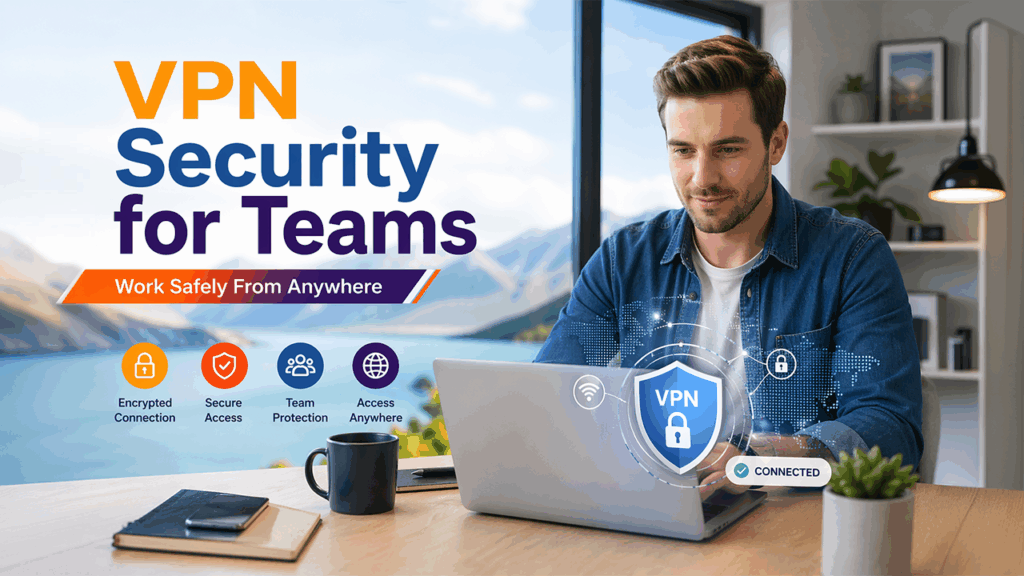
Alongside internal policies, companies can implement technologies that protect remote communication.
One widely used solution involves secure VPN services that create encrypted connections between user devices and the internet. These systems help protect company data when employees need to access internal platforms outside the corporate network.
Manage access to internal systems carefully
Another important security strategy involves limiting access to sensitive data based on each employee’s role.
Not every team member needs access to every piece of company information. By carefully managing permissions, businesses can significantly reduce potential damage if an account becomes compromised.
Access control policies allow organizations to maintain operational efficiency while protecting critical data.
Technology as a partner in digital business security
As digital transformation accelerates across industries, protecting data is no longer only a technical concern. It has become a key element of business strategy.
Today, even a minor security incident can affect both company operations and brand reputation. For this reason, many organizations focus on three essential pillars.
- Digital security education for employees
- Transparent and consistent security procedures
- Reliable technological tools
In addition to these foundations, businesses benefit from investing in solutions that strengthen remote access protection and safeguard the flow of sensitive information across digital environments.
Encryption-based connection tools, for example, help reduce risk when employees must access corporate systems outside the company network. These solutions support stronger protection in increasingly digital workplaces.
Effective security does not need to be complicated
One of the biggest misconceptions about cybersecurity is that it must be highly complex.
In reality, consistency is what matters most.
When organizations establish clear policies, invest in employee awareness, and use the right tools, the chances of serious security incidents decrease significantly.
This approach becomes even more important when teams work remotely.
Ultimately, maintaining strong data security for remote teams is not about limiting productivity. Instead, it ensures that employees can work flexibly while the company remains protected and resilient in a connected digital world.
Related blog: Top Cyber Security Solutions Every Business Needs in 2026
Conclusion
Data security for remote teams is an ongoing commitment rather than a one-time fix. As distributed work continues to evolve, businesses that prioritize clear policies, employee education, and reliable security tools will be better positioned to protect their most valuable assets. Whether it is managing access controls, avoiding unsecured networks, or adopting encrypted connection solutions, every step contributes to a stronger security foundation. Companies that treat digital protection as a core business priority will not only reduce risk but also build lasting trust with clients, partners, and employees alike.
%201.png)

%201.png)

%201.png)