
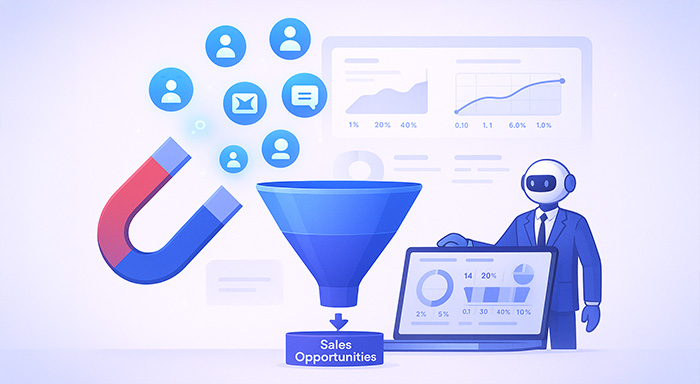

How do you determine the effectiveness of your marketing campaigns? Is it the number of views they receive? Or maybe it’s the number of shares they get.
While these metrics can help determine the efficiency of your topics and content, it doesn’t speak much on performance. It’s critical to look at conversion rates to prove your content works.
This is why 67% of companies use lead generation as the sole metric to determine content success.
Let’s take a look at why lead generation in business development is essential.
Lead generation is not simply a marketing buzzword; it is essentially the tool that expands business. A company that offers an amazing product or service might still have a difficult time if it lacks leads. Therefore, in a highly competitive environment, it is absolutely necessary for a business to comprehend the significance of lead generation if it wants to be successful.
What Is Lead Generation?
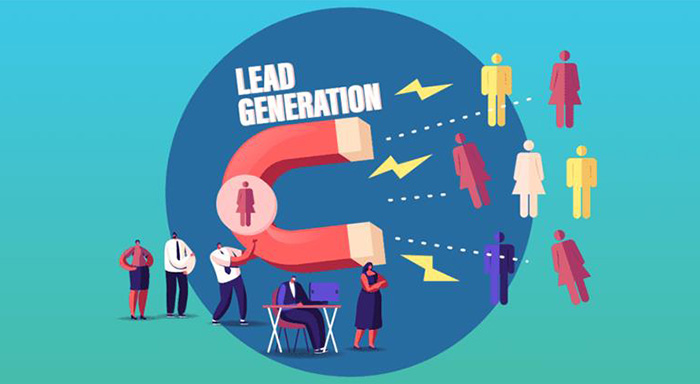
Your marketing team should be able to provide your sales team with a substantial number of leads using efficient lead-generating techniques to keep your company expanding. But exactly why is lead generation important? Why do businesses need to focus on their lead generation pipeline to ensure their prospects turn into sales? Is it really entirely necessary to invest time and resources in B2B lead generation solutions to attract, nurture, and convert potential customers?
B2B Lead generation is the process of finding new customers who might be interested in your product or service and then collecting their information. After that, these new leads can be funneled down the sales pipeline via different channels, such as forms on the website, content that can be downloaded, social media engagement, PPC campaigns or outbound initiatives like cold outreach.
When done correctly, lead generation not only makes your brand more visible but also establishes your business as an industry leader through the delivery of valuable content and customer engagement. In addition, it allows customer acquisition to be much more efficient, thus leading to faster growth and a larger share of the market.
Why Lead Generation Is Important in Marketing?
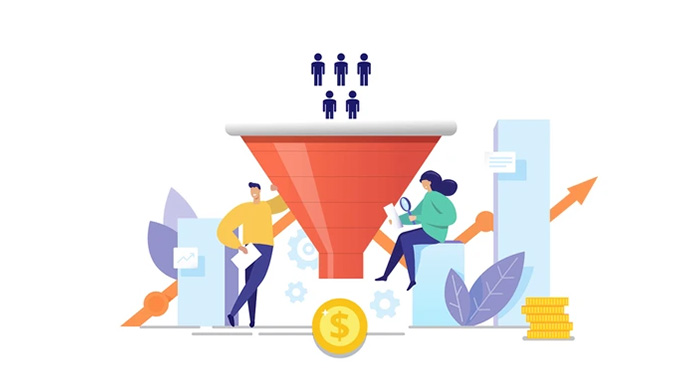
Lead generation is the main pillar of a well-functioning sales and marketing system. It keeps your business in the spotlight of your target market, brings in new prospects on a regular basis, and makes their conversion into customers who pay. The truth is, a small business or an enterprise, putting your money into the proper lead generation tactics can be a great way to tell the difference between stagnation and going up with your business continuously.
Generates Qualified Prospects
No leads equate to no sales. One of the major challenges faced by marketers as per a report from HubSpot is the difficulty in generating traffic and leads. About 61% of marketers have stated this as their primary challenge (HubSpot). Companies that establish mechanisms for continuous lead generation thus maintain a viable pipeline which is instrumental in achieving not only their immediate sales goals but also sustained business expansion over time.
Improves Conversion Rates
Conversion rate improvement is basically a must for lead generation to be really effective. That's because of the way potential leads get converted into actual customers and thus, profitability is driven.
A good conversion strategy focuses on improving lead quality, making the sales funnel more efficient by simplifying processes and using personalized and timely follow-ups with clear calls for action. Such a thorough system is a safe bet that the work done to generate leads will pay off in actual money.
Supports Business Scalability
Lead generation is essential for establishing repeatable and predictable sales processes. Whether you rely on outbound sales development representatives (SDRs), inbound marketing funnels, or account-based marketing (ABM), having a structured approach to generating leads allows you to test, scale, and optimize effectively. Implementing business process automation solutions can further streamline lead assignment, sales pipeline management, follow-ups, and other repetitive activities, helping your team maintain a consistent lead generation process.
Strengthens Customer Relationships
Most lead generation strategies are initiated from the top of the funnel, which is the stage where the buyers are only mildly familiar with their choices. Creating brand awareness with the help of educational content, webinars, and free resources is one way to do it.
Lead generation is also the first step in building good relationships with customers. Having attracted the right people and guided them patiently by your side, businesses will be able to increase the value of the customer's lifetime and at the same time, create a loyal customer base which will become the main source of steady revenue.
How Lead Generation Fits into the Marketing Funnel
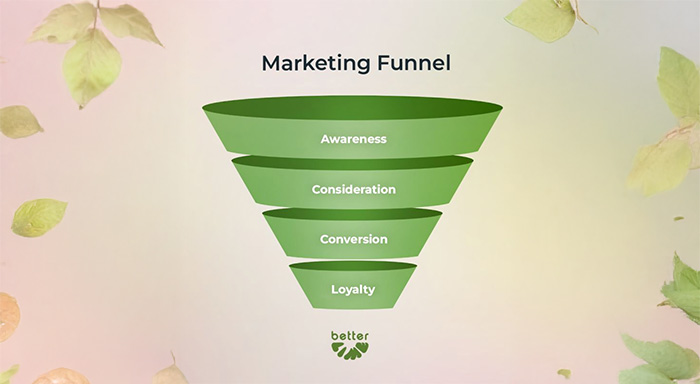
Lead generation stands as an essential initial move in the marketing funnel whose main target is to draw in a base and convert them into leads that can be identified. Such a step educates future users of the product and supports them in the process of becoming qualified prospects.
Deliberate marketing maneuvers, for instance, content marketing (for example, blogs and webinars), social media campaigns, SEO, and precisely aimed at email marketing, are utilized to deliver goods without demanding a purchase right away.
The idea is that by gaining the customer's trust and demonstrating expertise, a business can build a relationship with potential customers. This, in turn, significantly increases the chances of converting sales and fostering loyalty.
Conclusion
Lead generation, as the main source of potential clients, is essential for any business as it has extensive direct and indirect positive effects on business growth, income, and brand recognition. One of its primary functions is to guarantee that your sales team will have a regular influx of qualified leads- without it, sales can become stagnant, and revenue gradually decreases.
Equally, if not more, important is lead generation that furnishes businesses with quantifiable data. The process of measuring the main metrics allows the business to make their promotional activities more precise, improve their targeting, and manage their resources more efficiently. Without having a well-organized strategy, businesses will be in a position to lose ground and miss important growth opportunities.
Related Posts:
AI Marketing Tools: 10 Best Tools to Transform Your Marketing