

In today’s highly competitive B2B landscape, field sales teams - often called road warriors - are the lifeblood of many organizations. These professionals rely heavily on mobile devices such as smartphones and laptops to stay connected, access customer relationship management (CRM) systems, and close deals on the go. However, this increased mobility introduces unique security challenges that businesses must address to protect sensitive data, comply with regulations, and maintain operational efficiency.
With over 70% of sales professionals spending at least half their time outside the office, securing the devices and applications they use daily is critical. Moreover, as mobile device usage among sales teams continues to surge, mobile security for sales teams becomes increasingly important as the attack surface for cybercriminals expands. This article explores effective strategies for securing phones, laptops, and CRM access for field sales teams, ensuring these road warriors can perform their roles effectively while minimizing security risks.
The Challenges of Mobility in Field Sales
Field sales teams operate in diverse and often unpredictable environments - coffee shops, airports, client offices, hotels, and even vehicles. This variability creates a broad attack surface for cyber threats, making mobile security for sales teams harder to manage across locations. Devices are more vulnerable to theft, loss, or unauthorized access when outside the controlled office environment. Furthermore, connecting to public or unsecured Wi-Fi networks can expose sensitive corporate information to hackers using man-in-the-middle attacks or rogue hotspots.
According to a report by Verizon, 70% of data breaches involve external actors exploiting vulnerabilities such as unsecured devices or networks. Additionally, Gartner estimates that by 2025, 75% of mobile device security breaches will result from poor access controls and outdated software. These statistics underscore the critical need for organizations to implement comprehensive security measures tailored to the unique risks faced by field sales teams.
The mobile nature of field sales means frequent data synchronization between devices and central systems, increasing the risk of data interception or corruption if safeguards are insufficient. Moreover, sales professionals often juggle multiple applications on their devices, which can sometimes lead to insecure configurations or inadvertent data exposure. Organizations must adopt a holistic approach to securing both hardware and software environments for their mobile workforce.
Securing Devices: Phones and Laptop
The first line of defense in mobile security for sales teams involves securing their primary devices - phones and laptops. Enterprises must implement comprehensive security measures, including full-disk encryption, strong password policies, and multi-factor authentication (MFA). Ensuring that all devices have up-to-date operating systems and security patches is equally crucial to defend against known vulnerabilities.
Companies should also deploy mobile device management (MDM) solutions, which allow IT teams to remotely manage, monitor, and wipe devices if lost or stolen. These tools help enforce security policies consistently and minimize the risk of data leakage. For example, MDM can enforce encryption, restrict app installations, and disable device features that may pose risks.
In this context, having reliable IT support in Austin can be invaluable. Such specialized support providers offer tailored solutions to safeguard mobile devices, ensuring that sales teams remain productive without compromising security. These experts can integrate advanced endpoint protection, provide incident response capabilities, and customize security policies that align with business goals.
Furthermore, organizations should implement strict device usage policies that govern acceptable use, prohibit jailbreaking or rooting of devices, and outline procedures for reporting lost or stolen equipment. By combining technical controls with clear guidelines, companies create a security-conscious culture among their road warriors.
Securing CRM Access on the Road
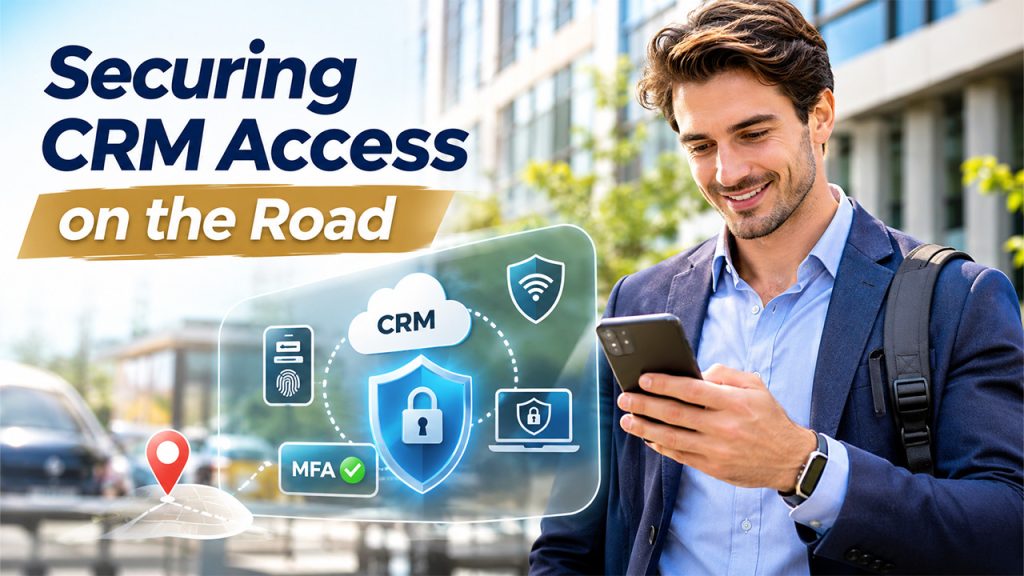
Secure CRM access is a core part of mobile security for sales teams, allowing field sales professionals to track leads, update customer information, and generate reports in real-time. However, granting remote access to CRM platforms can create significant vulnerabilities if not properly managed. Cybercriminals often target CRM data because it contains valuable customer insights and sales intelligence.
Implementing role-based access control (RBAC) ensures sales personnel can only access data necessary for their duties. This limits potential damage if a device or account is compromised. Coupled with stringent authentication protocols such as MFA and encrypted data transmission, these measures reduce the risk of unauthorized access.
Additionally, leveraging virtual private networks (VPNs) or secure application gateways protects CRM access over public networks. This approach encapsulates data traffic within encrypted tunnels, shielding it from interception or tampering. Some organizations adopt zero trust network access (ZTNA) models, which verify every access request dynamically and continuously, providing an additional layer of security.
For businesses seeking to optimize these security layers, technology management by NetWize offers expert technology management, helping to integrate secure CRM access seamlessly into field sales workflows. Their expertise includes designing secure remote access architectures, monitoring for anomalies, and ensuring compliance with industry regulations such as GDPR and CCPA.
Moreover, sales teams should be equipped with secure CRM mobile applications that enforce security policies at the application level, such as session timeouts, data encryption, and remote wipe capabilities. Combining these technical safeguards with user training on safe CRM access practices significantly reduces exposure to cyber threats.
Best Practices for Secure Field Sales Operations
To strengthen mobile security for sales teams, organizations should build a resilient security framework for road warriors and consider the following best practices:
1. Comprehensive Training:
Educate sales teams on cybersecurity risks, safe device usage, and recognizing phishing attempts. Human error remains a leading cause of breaches. According to IBM, 95% of cybersecurity incidents involve human error. Regular training sessions and simulated phishing exercises reinforce good security habits.
2. Regular Security Audits:
Conduct periodic assessments of device security, access logs, and compliance with policies. Audits identify vulnerabilities and enforce accountability, ensuring security measures remain effective as threats evolve.
3. Data Backup and Recovery Plans:
Ensure critical CRM data and device information are backed up regularly to prevent loss from device failure, ransomware attacks, or accidental deletion. Cloud-based backup solutions with encryption provide both convenience and security.
4. Use of Endpoint Detection and Response (EDR):
Deploy EDR solutions to detect, investigate, and remediate threats on mobile endpoints proactively. This enables faster responses and minimizes damage from malware or unauthorized access attempts.
5. Automated Patch Management:
Implement systems that automatically update software and firmware on devices to close vulnerabilities promptly and reduce exposure windows. Delays in patching leave devices open to exploits.
6. Segmented Network Access:
Restrict device and user access based on roles and data sensitivity, minimizing lateral movement within corporate networks if a breach occurs. Network segmentation limits attack scope.
7. Secure Communication Tools:
Encourage encrypted messaging and email platforms for sensitive communications, reducing data interception risks. End-to-end encrypted tools should be standard for field sales communications.
8. Device Usage Policies:
Define clear policies regarding personal device use (BYOD), acceptable applications, and procedures for reporting lost or stolen devices. BYOD policies should require security configurations and consent for remote management.
9. Incident Response Plans:
Prepare clear protocols for responding to security incidents involving mobile devices or CRM access. Quick detection and containment minimize damage and restore operations.
The ROI of Securing Mobile Sales Teams
Investing in mobile security for sales teams not only protects sensitive data but also boosts sales performance. Secure, reliable CRM access enables sales teams to respond faster to customer needs, track opportunities effectively, and close deals more efficiently.
Research indicates companies with robust mobile security protocols experience 40% fewer data breaches and 25% higher revenue growth attributable to mobile sales activities. Moreover, secure mobile environments foster greater employee confidence and reduce downtime caused by security incidents.
Beyond immediate financial benefits, a strong security posture enhances customer trust and protects the company’s reputation. In an era where data breaches can lead to significant fines and legal consequences, proactive security measures are a crucial competitive advantage.
Furthermore, organizations that prioritize mobile security often see improved operational efficiency. With fewer disruptions caused by security incidents, sales teams can focus more on core activities rather than troubleshooting technical problems, leading to higher productivity and better customer engagement.
Conclusion
Field sales teams are essential to driving revenue and maintaining customer relationships, but effective mobile security for sales teams is needed to manage the cybersecurity risks that come with working on the road. By securing phones, laptops, and CRM access through technology, policies, and expert support, organizations can keep their sales forecasting data safe and empower their road warriors to perform securely and efficiently.