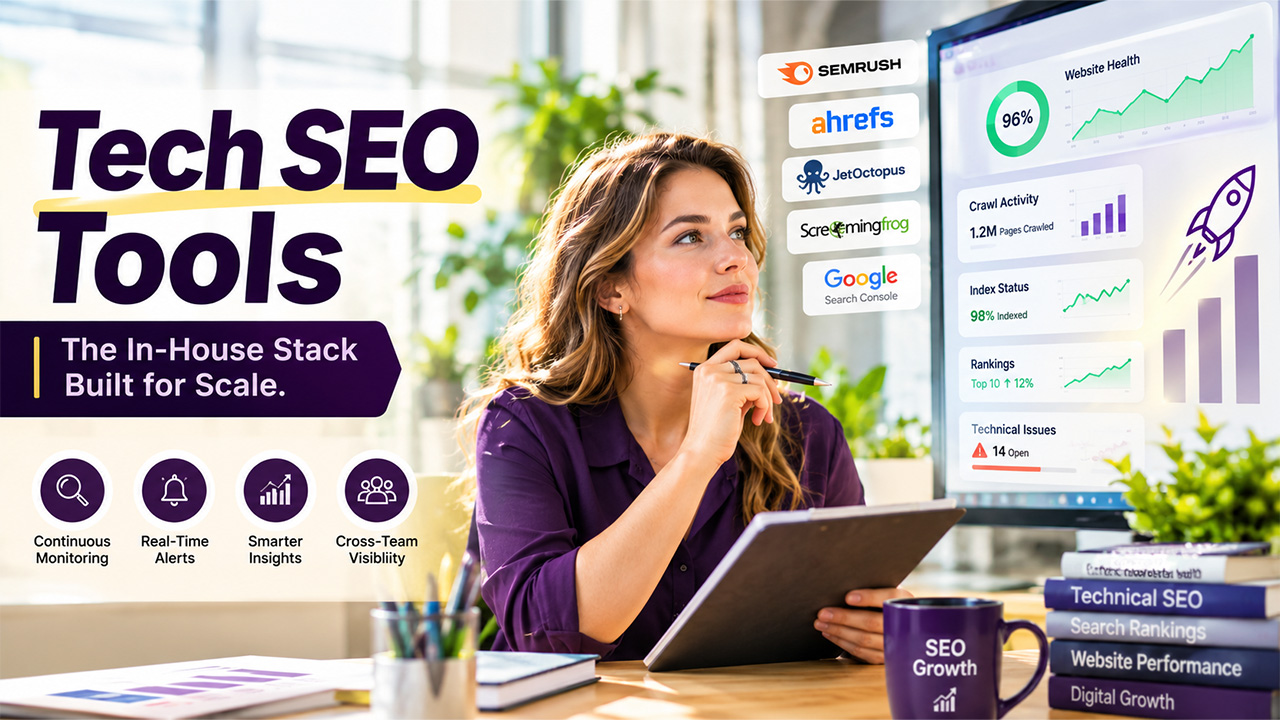

In-house SEO is a different sport. You own one site, you know it intimately and your success is measured in quarters, not deliverables. The tooling calculus changes accordingly: continuous monitoring matters more than one-off audits, alerting matters more than reports and every purchase must survive a manager's desk and an annual review. We ranked thirteen tech SEO tools for the in-house reality of recurring crawls, release monitoring and cross-team communication.
Best Tech SEO Tools for In-House Teams
The right tech SEO tools help in-house teams identify technical issues, monitor website performance, and improve search visibility. From all-in-one SEO platforms to specialized crawling and auditing tools, each option offers different features to support your workflow.
Below, we explore the best tech SEO tools and what makes each one useful for in-house SEO teams.
Semrush
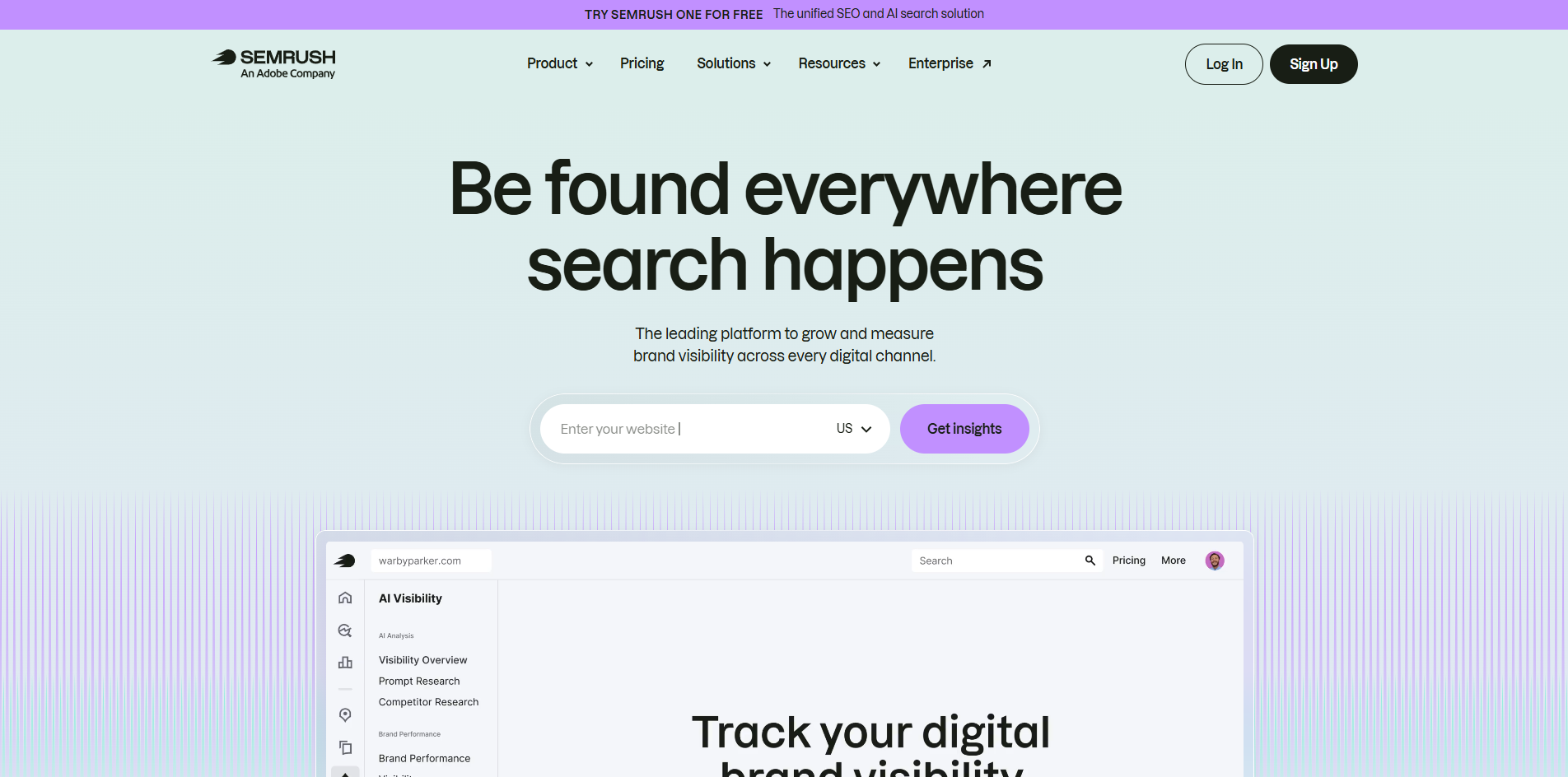
For most in-house teams, SEMrush is considered one of the best tech SEO tools. Site Audit runs scheduled technical crawls with issue tracking over time, while the same subscription answers the questions your CMO actually asks where do we rank, what are competitors doing and which content should we build next. That is the in-house sweet spot - technical auditing bundled with the visibility reporting that justifies the budget line each year - and small and mid-sized sites may never need anything more.
Ahref
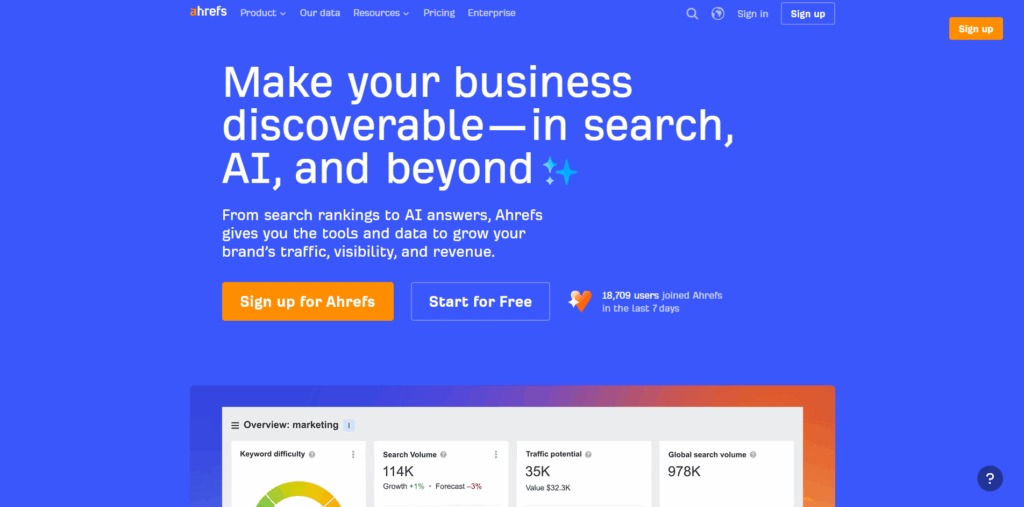
Ahrefs is the other perennial in-house license. Its backlink index is the reference standard for authority analysis, keyword tooling is excellent and Site Audit provides scheduled JavaScript-rendered health checks with trend lines that slot neatly into quarterly reporting. If your program leans harder on content and links than on deep technical work, Ahrefs alone may carry you for years, with the technical basics covered well enough to defer any dedicated crawler purchase.
JetOctopus
When the site itself is big - hundreds of thousands of pages, JavaScript frameworks, real crawl budget questions - an in-house team needs a SEO crawling tool and JetOctopus is the one that fits an in-house budget. It pairs the fastest JavaScript crawler on the market, up to 1 million pages per 24 hours, with native log analysis including AI bot dashboards for GPTBot, ClaudeBot and PerplexityBot. The alerting system is your smoke detector for bad deploys, the AI SEO recommender turns findings into a Jira-ready backlog, the AI internal linker gives content teams concrete placements and the MCP integration removes the analyst bottleneck. If you’re looking for low-budget tech SEO tools, JetOctopus is your go-to option.
Screaming Frog SEO Spider
Every in-house SEO's desktop companion for ad hoc investigations: custom extraction, quick template checks and pre-launch crawls of staging environments. It answers the daily how-does-this-actually-work questions faster than any scheduled platform can and its cost is negligible next to the value of having answers on demand. It will not monitor your site continuously, but as the bench tool between platform reviews it is close to mandatory equipment for the role.
Sitebulb
Sitebulb's plain-English issue explanations make it one of the best tech SEO tools on this list for educating developers: attach a Sitebulb hint to a ticket and skip the explanatory meeting. For in-house SEOs whose real job is persuading other teams to ship fixes, that communication layer is a genuine productivity multiplier. Its visualizations also translate architecture problems into pictures executives understand. Available in desktop and cloud editions to match team size and cadence.
Lumar
If your organization has real budget, Lumar's scheduled crawls and Protect QA layer integrate technical SEO into release workflows properly, catching regressions before production rather than diagnosing them afterward. Its governance features suit companies where many teams touch the site and accountability needs structure. For in-house programs at genuine enterprise scale, it converts technical SEO from a reactive discipline into part of the engineering quality process.
Botify
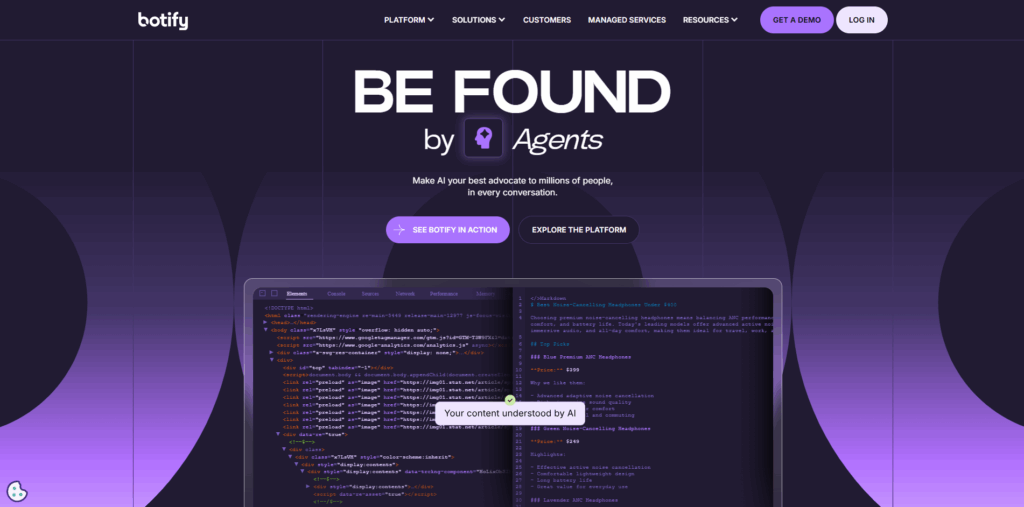
The full enterprise suite: crawl, logs, rankings and activation in one unified model, powerful for the largest in-house programs with analysts to exploit it. Its activation layer acts on findings automatically, which shifts the in-house role from ticket-filer toward strategist. The commitment is calibrated for the biggest websites and structures, so its place on your shortlist depends on scale honestly assessed rather than aspiration.
Oncrawl
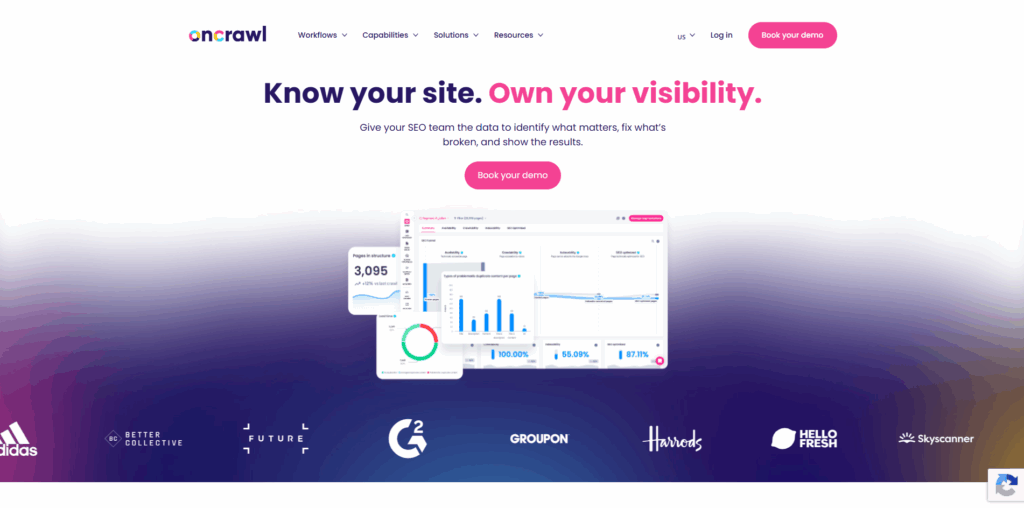
Data-rich crawling with log cross analysis at a mid-market commitment, a good fit for analytical in-house teams that live in dashboards and want to interrogate joined datasets rather than read prebuilt summaries. Segmentation by template or business line maps naturally onto how in-house teams already think about their site. It rewards analytical maturity and gives a single-site team depth that used to require enterprise contracts.
Ryte
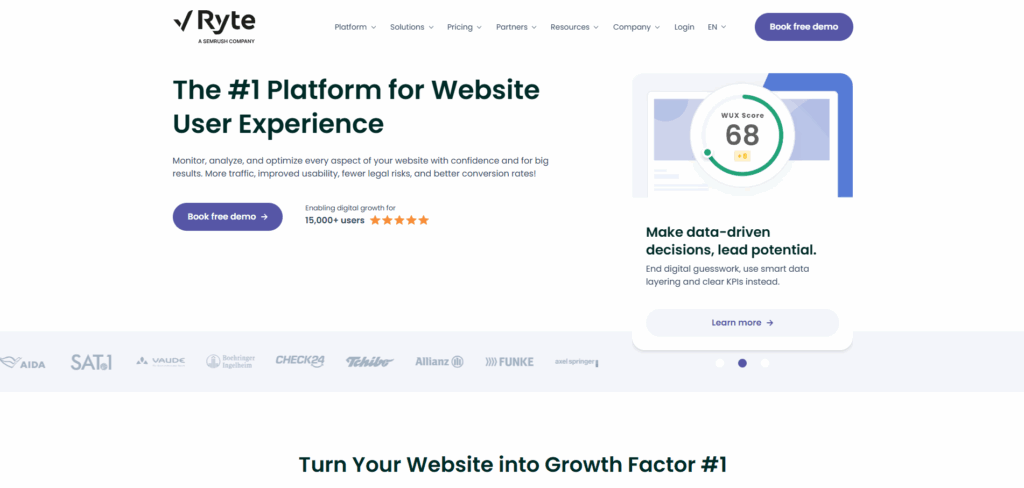
Quality-assurance flavored monitoring with robots.txt change tracking, which is a quiet lifesaver when platform teams edit things without telling SEO - a scenario every in-house veteran recognizes. Its operations framing suits companies formalizing website health beyond the marketing department. As the monitoring-first layer beside a heavier analysis tool or the primary platform for a mid-sized site, it covers the risks that scheduled audits structurally miss.
Moz Pro
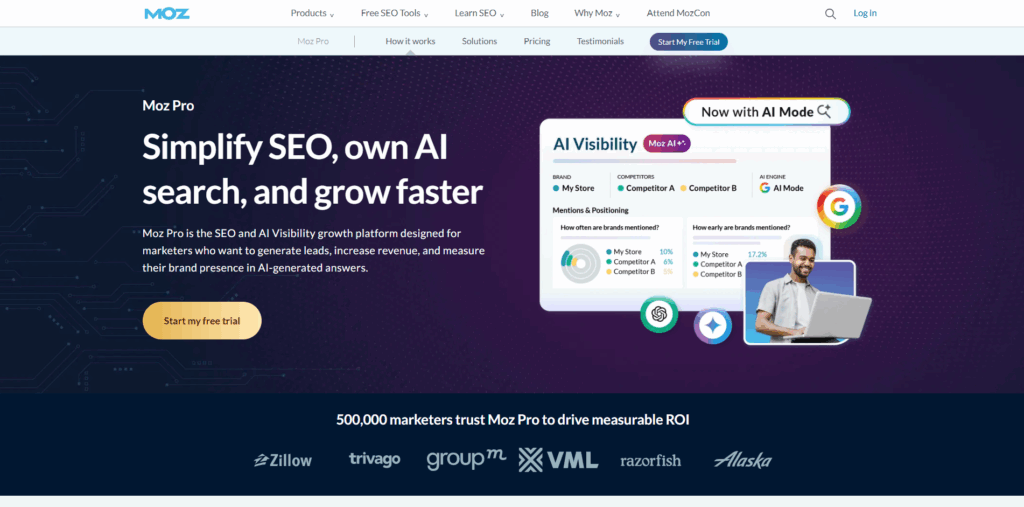
Fundamentals covered with friendly reporting, plus the Domain Authority metric your stakeholders already know from somewhere, which simplifies internal communication more than it should. If you need to compare website authority before acquiring backlinks, a Moz DA PA checker can help you review a domain’s Domain Authority and Page Authority alongside other SEO metrics. Site Crawl tracks fixed issues cleanly across recrawls and Moz's educational resources help junior team members grow into the role. It is a comfortable, dependable mid-tier choice for in-house programs whose technical needs are real but not extreme.
SE Ranking
If the budget conversation went badly this year, SE Ranking keeps the program running: audit, tracking and reporting at a commitment level that rarely needs sign-off. Its clear interface suits small in-house teams without dedicated analysts and its reports keep stakeholders informed without manual assembly. As either a starter platform or a recession-proof fallback, it preserves the core in-house workflow at the lowest viable cost.
Audisto
Engineering-grade structural monitoring for very large sites, beloved by technically deep teams, especially in Europe. Its PageRank-flow analysis and clustering expose architectural truths that friendlier tools smooth over and its monitoring rigor suits organizations that treat the website as infrastructure. For in-house teams embedded in engineering-led companies, its precision speaks the native language of the colleagues you most need to convince.
Google Search Console
Free, definitive and the first tab you open every morning. Crawl stats, index coverage and Core Web Vitals from Google itself form the data source every executive dashboard should reconcile against. For the in-house role specifically, it is also the alibi and the evidence: when platforms disagree or stakeholders doubt, this is the record of what Google actually saw. No stack at any budget replaces it.
The in-house playbook
The pattern that works: Semrush or Ahrefs as the program platform for rankings, research, reporting and baseline audits in the subscription your budget already carries. Add JetOctopus when site scale, JavaScript or crawl budget makes deep technical visibility non-negotiable - it is the enterprise-grade layer that does not trigger an enterprise buying process and its alerting alone can pay for itself the first time it catches a bad deploy. Keep Screaming Frog for desk work and treat Search Console as ground truth.
For agencies managing multiple SEO clients, a CRM for SEO Agencies can also help organize client communication, leads, follow-ups, reporting workflows, and project-related data in one place.
Making the business case internally
In-house SEOs rarely lose tooling battles on merit - they lose them on framing. Frame alerting as insurance: one week of an undetected noindex on a key template usually costs more traffic-driven revenue than years of subscription. Quantify the consultant alternative: an agency technical audit describes one moment in time, while tech SEO tools deliver the same visibility continuously for less per year. Bring the AI question to leadership first, armed with AI bot log data showing what ChatGPT's crawler read on your site last month. And anchor on cost per insight rather than cost per month, because usage is the honest denominator. Teams that frame tooling this way tend to get it approved.
How to Choose the Right Tech SEO Tool for Your Team
Choosing the right tech SEO tool depends on your website’s size, technical needs, reporting requirements, and budget. Focus on the problems your team needs to solve rather than selecting a tool only for its features.
For small and mid-sized websites, Semrush, Ahrefs, SE Ranking, and Moz Pro offer a useful combination of technical audits, keyword research, rank tracking, and reporting. Larger websites with complex structures or JavaScript-heavy pages may benefit from specialized crawling and monitoring tools such as JetOctopus, Lumar, Botify, or Oncrawl.
Screaming Frog is useful for detailed technical investigations, while Google Search Console provides essential insights into indexing and search performance. Consider each tool’s monitoring capabilities, reporting options, and cost to build a stack that supports your team’s SEO workflow.
Conclusion
The best tech SEO tools help in-house teams move beyond one-time audits and manage website health consistently. From Semrush and Ahrefs to specialized platforms such as JetOctopus, Lumar, and Screaming Frog, each tool serves a different purpose.
The right choice depends on your website’s size, technical requirements, reporting needs, and budget. Start with the tools that address your most important SEO challenges, then expand your stack as your needs grow.
With the right combination of crawling, monitoring, reporting, and technical analysis, your team can identify issues earlier, prioritize fixes, and build a more reliable SEO workflow.
Frequently Asked Questions (FAQs)
What are tech SEO tools used for?
Tech SEO tools help identify and monitor technical issues that can affect a website’s crawling, indexing, performance, and search visibility. They can also support site audits, log analysis, and ongoing SEO monitoring.
Which tech SEO tool is best for an in-house SEO team?
The best tool depends on the team’s needs. Semrush, Ahrefs, and SE Ranking are useful for combining technical audits with keyword research and reporting, while tools such as JetOctopus, Lumar, and Botify are better suited to more complex technical SEO requirements.
Is Google Search Console enough for technical SEO?
Google Search Console is essential for understanding how Google crawls, indexes, and evaluates a website, but it may not replace a dedicated crawling or auditing tool. Many in-house teams use it alongside tools such as Screaming Frog, Semrush, or Ahrefs for deeper analysis.
How often should an in-house SEO team use tech SEO tools?
The frequency depends on the website and how often it changes. Teams should monitor important issues regularly, run scheduled crawls when possible, and perform additional audits after major website updates, migrations, or technical changes.
%201.png)

%201.png)

%201.png)