


In today's data-driven business environment, maintaining accurate customer information is a core necessity rather than a secondary priority. World Postal Code Data plays an important role in organizing customer records, improving location accuracy, and streamlining business operations, particularly for companies operating across international markets such as Spain. From improving CRM systems to delivering better customer experiences, reliable postal code information helps businesses make informed decisions and manage customer relationships more effectively.
This article explores the benefits of integrating accurate global postal code information into CRM platforms. It examines how a reliable postal code database can improve customer data accuracy, support logistics operations, strengthen geographic marketing strategies, and help businesses maintain appropriate data protection practices.
Improving Data Quality and Accuracy with Postal Code Data
For any organization, maintaining accurate information in its CRM system is essential. Accurate Postal Code Data helps preserve customer database integrity by connecting address records with the correct geographic locations. When postal codes are entered correctly, businesses can maintain more reliable customer profiles, personalize communication, and provide a smoother customer experience through effective customer data hygiene practices.
Reliable postal information also reduces errors during data entry and collection. Inaccurate address details can result in failed deliveries, misdirected packages, and unsuccessful customer communications. These problems can affect customer trust and increase operational costs.
Integrating a Global Postal Code Database into CRM workflows can help businesses improve address validation and identify inconsistencies in customer records. When combined with other address verification measures, postal code information makes it easier to maintain consistent records and ensure that customer communications and deliveries reach the intended destinations.
Widening Business Opportunities Through World Postal Code Data
Integrating World Postal Code Data can help businesses identify new opportunities across international markets, including different regions of Spain and other European countries. By using geographic and demographic insights, companies can make more informed decisions about market expansion, customer segmentation, and regional marketing strategies.
Understanding where customers are located allows businesses to adapt their marketing and logistics approaches to regional requirements. Instead of applying the same strategy across every market, organizations can use postal code information to identify location-based customer groups and address their specific needs.
Why Is Postal Code Data Important for Strategic Decision-Making?
Postal code information provides a more detailed view of geographic markets, helping businesses understand how customer requirements differ between locations. This information can support product positioning, service availability, and the development of targeted marketing campaigns.
When combined with demographic information and other business data, postal codes can also contribute to better Location Intelligence. Companies can identify customer concentration, evaluate regional demand, and recognize potential market segments.
For example, a business operating across several Spanish regions can analyze customer locations to understand where its products or services have stronger demand. These insights can help marketing and sales teams prioritize relevant areas, allocate resources more effectively, and develop campaigns suited to local audiences.
Delivery Operations and Streamlining Logistics
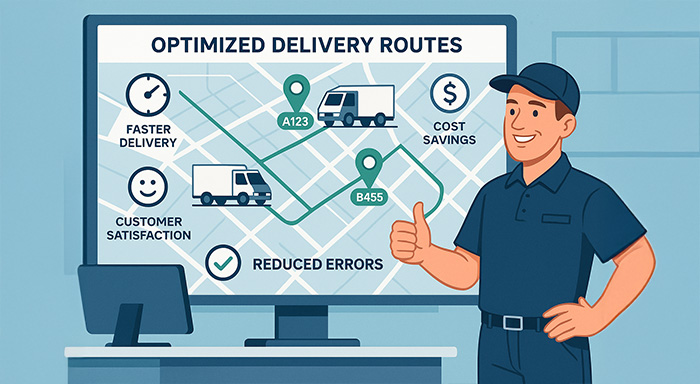
One of the most practical benefits of accurate postal code information is its contribution to logistics and delivery management. Correct location details help businesses organize delivery destinations, plan more efficient routes, and reduce unnecessary travel time and transportation costs.
For companies managing deliveries across multiple cities or countries, Postal Code Data for CRM Systems can connect customer location records with logistics workflows. This makes it easier for teams to organize delivery information, identify incorrect addresses, and coordinate orders with greater accuracy.
Reliable postal information also reduces the likelihood of packages being sent to the wrong locations. When customers receive their orders on time and at the correct address, their overall experience improves. Consistent delivery performance can strengthen customer trust, encourage repeat purchases, and support long-term brand loyalty.
Choosing Reliable Global Postal Code Data Providers
Selecting a dependable postal code data provider is important for maintaining accurate and consistent information across CRM platforms. A reliable provider should offer comprehensive geographic coverage, regularly maintained records, and data validation processes that support different business requirements.
Providers such as GeoPostcodes offer global postal code datasets that businesses can use to support address-related workflows across multiple markets. Access to structured and regularly updated postal information can help organizations maintain better location records and reduce inconsistencies in their databases. Businesses can further improve data accuracy through CRM data cleansing and validation services, which help identify inconsistent, incomplete, and outdated customer records.
How Do Providers Such as GeoPostcodes Help Maintain Data Accuracy?
Reliable postal code data providers use data collection, validation, and maintenance processes to improve the quality of their geographic datasets. These processes help businesses work with more consistent postal information and reduce the risk of relying on outdated records.
When selecting a provider, businesses should consider several factors:
- Geographic coverage: Check whether the database supports the countries and regions where the business operates.
- Data freshness: Review how frequently postal code records are updated.
- Validation capabilities: Determine whether the provider supports address validation and data consistency checks.
- Integration compatibility: Ensure that the data can work with existing CRM platforms and business applications.
- Data structure: Check whether the information is organized in a format suitable for importing, processing, and maintaining customer records.
Integrating a suitable dataset into business systems can improve data consistency and make customer information easier to manage across departments.
Enhancing Operational Efficiency and Marketing Strategies
Reliable postal code information can strengthen marketing strategies by helping businesses organize audiences according to geographic locations. Marketers can use location-based insights to create campaigns that reflect regional interests, customer distribution, and local market requirements.
For example, a company promoting services across Spain can segment its customer database using postal code information. This allows marketing teams to focus on specific service areas, adapt campaign messaging, and identify locations that may require additional attention.
Accurate location records also support Geographic Data Enrichment, particularly when postal codes are combined with other customer and demographic information. This can help businesses identify geographic patterns, understand customer distribution, and make better-informed marketing decisions.
Operational efficiency can improve as well. Understanding where customers are concentrated helps organizations plan inventory distribution, allocate staff, and coordinate regional resources. When these insights are connected to CRM and logistics processes, businesses can make more effective use of their available resources while improving overall operational performance.
Compliance with Data Protection and Legal Regulations in Spain
Maintaining accurate postal code information is useful for business operations, but organizations must also consider how they collect, store, and process customer location data. In Spain, businesses handling personal information must follow applicable data protection requirements, including the General Data Protection Regulation (GDPR) and Spain's Organic Law 3/2018 on Personal Data Protection and Guarantee of Digital Rights (LOPDGDD).
Postal codes are not automatically personal data in every situation. However, when a postal code is linked to an identifiable individual or combined with other identifying information, it may form part of personal data and must be handled accordingly.
Businesses should therefore ensure that their CRM systems follow appropriate data protection practices, including access controls, data accuracy, secure storage, and suitable retention policies.
What Legal Obligations Should Spanish Businesses Consider When Managing Postal Code Data?
Businesses operating in Spain should consider several data protection principles when managing customer address and postal information:
- Data accuracy: Take reasonable steps to ensure that personal information is accurate and updated where necessary.
- Purpose limitation: Collect and use customer location information for clearly defined and legitimate business purposes.
- Data minimization: Avoid collecting more personal information than is necessary for the intended purpose.
- Data security: Apply appropriate technical and organizational measures to protect customer records from unauthorized access or disclosure.
- Individual rights: Provide mechanisms for individuals to exercise their applicable data protection rights.
Following these principles helps businesses maintain responsible data management practices, protect customer information, and reduce the risk of regulatory issues.
Conclusion
Accurate World Postal Code Data is an important resource for businesses looking to improve CRM data quality, strengthen customer communication, and streamline operational processes. From supporting address validation and geographic targeting to improving delivery management, reliable postal information contributes to better decision-making across multiple business functions.
Choosing a dependable global postal code provider, maintaining updated customer records, and integrating geographic information into CRM workflows can help organizations manage their data more effectively. For businesses operating in Spain and other international markets, combining accurate postal information with responsible data protection practices is particularly important for building customer trust and supporting sustainable growth.