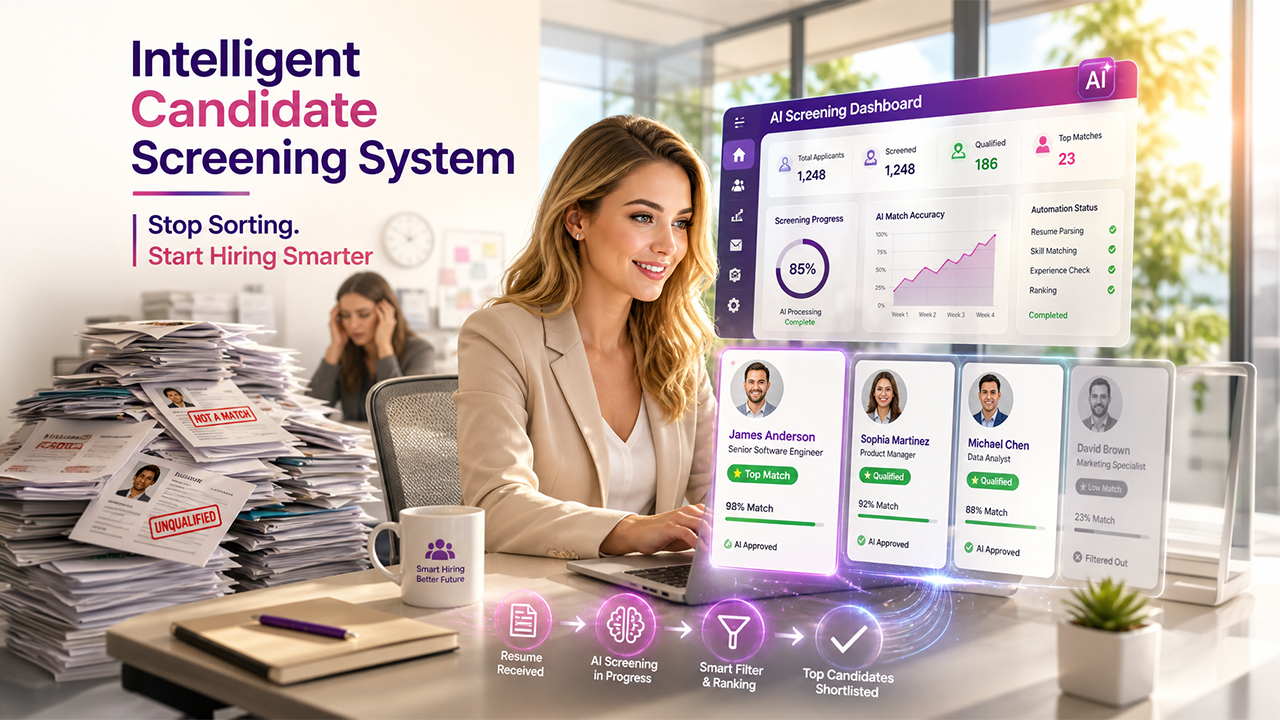

Reviewing hundreds of unqualified applications every single day is a major cause of burnout for talented hiring professionals. It is a repetitive and often exhausting task that drains the mental energy needed for high value conversations with top tier candidates during the week.
When a team is buried under a mountain of digital paperwork, the quality of their interactions naturally begins to decline over time. Finding a way to automate the initial sorting process is essential for maintaining a high level of performance and keeping the recruiting staff motivated and happy.
Utilizing a sophisticated Bullhorn AI screening system allows a firm to regain control over their daily schedule and focus on the people who truly matter. This technology of intelligent screening system acts as a powerful first line of defense, ensuring that only the most qualified individuals move forward to the next stage of the hiring process.
Automating the Workflow Triggers
Setting up automated workflows that trigger based on specific candidate actions is a smart way to keep the momentum moving forward without manual effort. Leveraging modern workflow automation tools can further enhance this process by reducing manual intervention and ensuring seamless task execution across the hiring pipeline. When an applicant submits their resume, the system can instantly start the evaluation process based on the requirements of the open role.
Intelligent scoring models help prioritize the best fit candidates at the very top of the list for immediate review by a human recruiter today. This ensures that the most talented people do not sit in a queue for days while the team works through a long list of unqualified names.
This proactive approach to pipeline management turns the traditional hiring model into a fast and efficient engine for the organization. By letting the software handle the initial ranking, the recruiting team can spend their time where they add the most value: building real human connections.
Standardizing the Initial Vetting Process
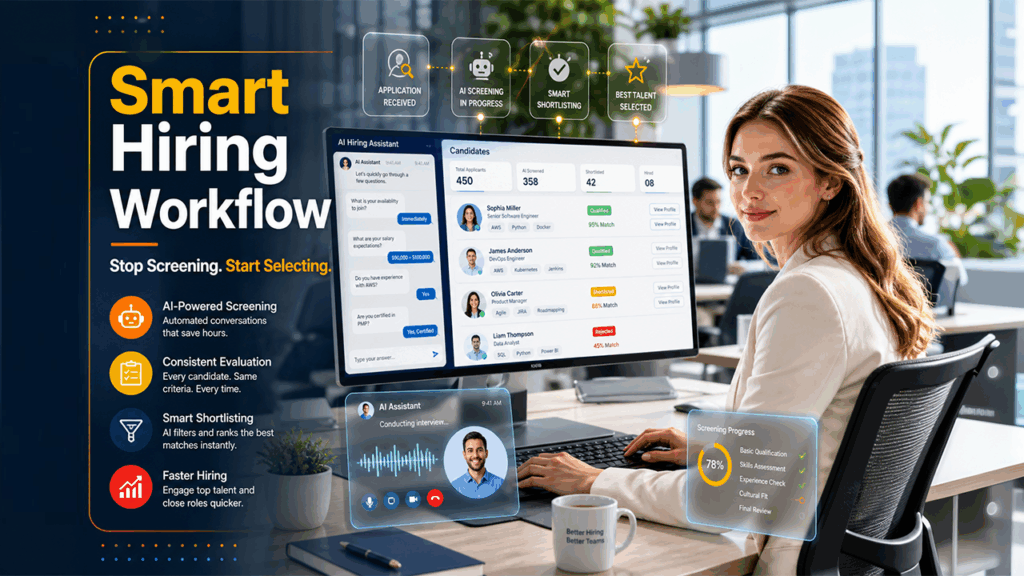
Standardizing the initial vetting process ensures that every single applicant is treated fairly and evaluated against the same set of objective criteria every time. This consistency is vital for maintaining a high bar for quality across many different departments and hiring managers in the firm. An intelligent screening system ensures that every applicant is evaluated against the same objective criteria; fairly and consistently across all departments.
Conversational agents can conduct preliminary qualification rounds by asking the basic questions that usually take up a significant amount of a recruiter's time during a phone screen. This might include checking availability, salary expectations, or specific technical certifications needed for the job right now.
Handling these early stages through an intelligent interface provides a smooth and professional experience for the candidate as well. It shows that the company values their time and is moving quickly to find the right match for the open position and the team.
Seamless CRM Data Integration
Integrated intelligent screening system pushes all relevant data and scoring directly back into the recruiter's primary CRM system without any manual entry required. This seamless flow of information ensures that the database remains accurate and up to date at all times during the hiring lifecycle.
Reducing the time to submittal is a major goal for staffing agencies operating in highly competitive and fast moving markets today. When the screening is automated, a recruiter can present a top tier candidate to a client within minutes of the application being received at the office.
This speed is often the deciding factor in whether an agency successfully fills a role or loses out to a faster competitor in the area. Technology provides the agility needed to win the war for talent by removing the administrative delays that used to slow things down.
Customizing Criteria and Feedback Loops
Customizing screening criteria for diverse roles ranging from light industrial labor to high level executive positions is essential for a large firm. Every job has a unique set of requirements, and the automated filter must be flexible enough to handle these differences with a high degree of accuracy.
Utilizing feedback loops allows the recruiting team to constantly improve the performance of the automated system based on real world results. If a hiring manager rejects a candidate who was scored highly, the system can learn from that choice and adjust its future rankings.
This continuous improvement cycle ensures that the technology remains a valuable asset that evolves alongside the needs of the business. It turns the screening process into a strategic tool that gets smarter and more effective with every single hire that is made.
Conclusion
The productivity gains found in a well configured screening system are truly massive for any organization that deals with a high volume of applicants. It allows the team to do much more with less effort while maintaining a high level of quality and consistency.
Empowering recruiters to do what they do best is the ultimate goal of any technology implementation in the talent acquisition space today. When the busy work is handled by a machine, the focus can remain on building the relationships that drive the long term success.
Reclaiming the joy of recruiting starts with embracing the tools that make the job easier and more rewarding for everyone involved in the process. With the right intelligent screening system in place, a firm can build a talented and diverse workforce ready to face the challenges of the future.
%201.png)

%201.png)

%201.png)