

Bringing ten new sales representatives into your customer relationship management (CRM) system simultaneously can be a daunting task. Without a structured approach, the process can quickly become chaotic, leading to lost productivity, inconsistent data, and frustrated employees. However, with a well-designed 90-day onboarding plan, your organization can seamlessly integrate new reps, ensuring they become productive quickly and contribute to your business goals.
A well-defined CRM onboarding process helps businesses integrate new sales representatives into their CRM environment without disrupting existing workflows. From setting up user permissions and configuring dashboards to providing hands-on training, every step should be carefully planned. A structured process ensures that all ten new reps understand how to use the CRM effectively, maintain accurate customer data, and follow consistent sales procedures from day one.
This article outlines a comprehensive 90-day strategy to onboard ten new sales reps into your CRM system effectively. We will explore the key phases of the plan, essential best practices, and how to leverage external expertise to streamline the process. Implementing this plan not only enhances the onboarding experience but also sets the stage for sustained sales success.
Key Elements of an Effective CRM Onboarding Process
An effective CRM onboarding process involves more than providing employees with login credentials. It requires a systematic approach that prepares new hires to use the platform confidently and consistently through structured CRM training.
Some essential elements include:
CRM Configuration
Setting up user accounts, permissions, dashboards, and workflows.
Structured Training
Teaching new representatives how to manage contacts, track leads, and update opportunities.
Data Management Standards
Establishing consistent guidelines for data entry and customer information management.
Workflow Integration
Connecting CRM activities with everyday sales processes.
Performance Monitoring
Tracking CRM adoption, user engagement, and sales productivity.
Why a Structured Onboarding Plan Matters
Onboarding is more than just setting up user accounts and providing access to software. It’s about equipping your new hires with the knowledge, skills, and confidence to use the CRM to its full potential. According to a report by Salesforce, companies with a structured onboarding process improve new hire retention by 82% and productivity by over 70%.
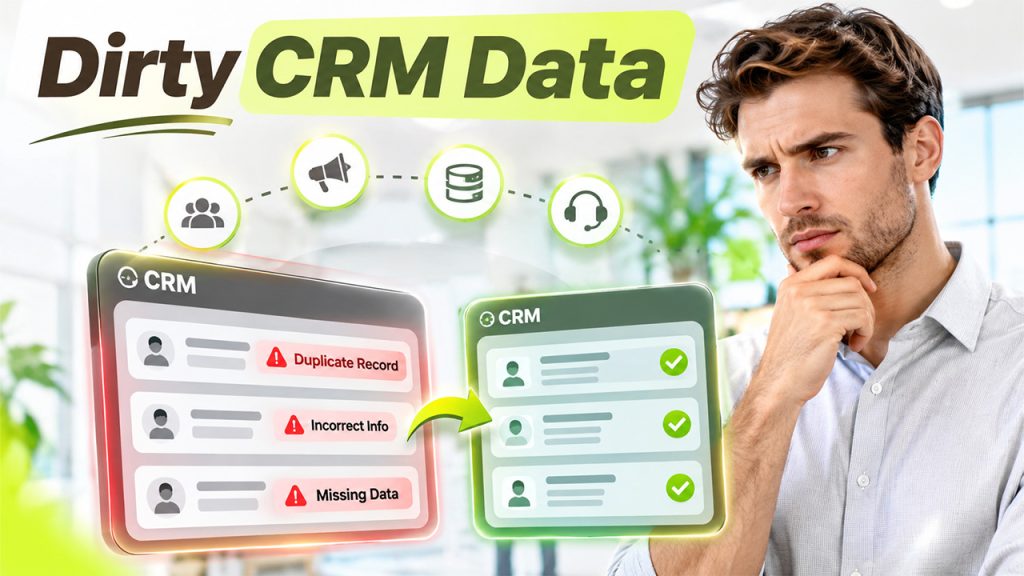
The CRM is the backbone of your sales operations, and its effectiveness depends on consistent and accurate data input. With ten new reps entering data simultaneously, establishing clear guidelines and training is critical to maintaining data integrity. Poor data quality can cost businesses up to $15 million annually, according to Gartner. Therefore, investing in a strong onboarding process safeguards your data assets.
Furthermore, research from the Aberdeen Group shows that organizations with formal onboarding processes achieve 54% greater new hire productivity. These statistics highlight the compelling benefits of a strategic approach to onboarding, especially when integrating multiple new reps into a complex CRM system.
Pre-Onboarding Preparation (Days 1-15)
Before your new reps even log into the system, preparation is key. Start by reviewing your CRM architecture and processes to ensure scalability and security. This is an excellent time to engage with trusted IT partners to audit your current setup and recommend improvements.
Building a Strong Foundation for Your CRM Onboarding Process
The success of your CRM onboarding process depends heavily on the preparation completed before new representatives start using the system. Businesses should evaluate their existing CRM infrastructure, review user access requirements, and identify potential integration or performance issues. Establishing standardized workflows and data entry guidelines beforehand ensures that all ten representatives follow the same procedures from the beginning.
Many businesses trust Network 1 to provide tailored IT infrastructure solutions that support CRM scalability and security. Their expertise can help you preempt potential issues and ensure the technical foundation is solid before onboarding begins. By collaborating with experienced IT consultants, you can streamline integrations, enhance system performance, and mitigate risks associated with rapid user expansion.
During this phase, also prepare all necessary resources: training materials, user manuals, FAQ documents, and access credentials. Clear communication about the onboarding schedule and expectations should be sent to all new hires. Setting expectations early fosters accountability and reduces confusion once training starts.
Additionally, ensure that your CRM environment is configured with appropriate user roles and permissions to safeguard sensitive data. This proactive security measure minimizes the risk of unauthorized access as new reps begin their activities.
Initial Training and Access (Days 16-30)
Once the groundwork is laid, the next step is to get your new reps up to speed with the CRM interface and functionalities. Plan interactive training sessions that cover basic navigation, data entry standards, lead management, and reporting tools. Engaging formats such as live webinars, video tutorials, and hands-on workshops can accommodate different learning styles and improve retention.
This is also the time to introduce your sales methodology and how it integrates with the CRM workflows. Hands-on exercises and role-playing scenarios can help reinforce learning by simulating real-world sales situations.
If your organization needs expert guidance in rolling out complex CRM implementations, technology consulting with Turn Key offers customized solutions that can accelerate user adoption and optimize system configuration. Their services ensure your reps are not only trained but also supported during this critical phase. Partnering with technology consultants can reduce the learning curve and drive faster ROI from your CRM investment.
Be sure to measure training effectiveness by using quizzes and practical assessments to identify gaps and provide additional coaching. According to Training Industry, 94% of employees say they would stay at a company longer if it invested in their career development. Therefore, investing in comprehensive training enhances retention and morale.
Integration into Daily Workflows (Days 31-60)

By the second month, reps should start using the CRM as part of their daily routine. Encourage them to log all client interactions, update lead statuses, and generate reports regularly. Embedding CRM use into everyday tasks ensures data stays current and actionable.
A successful CRM onboarding process should gradually transition from formal training to practical application. Encourage new representatives to use the CRM for daily sales activities, including lead tracking, customer communication, follow-ups, and pipeline management. Consistent CRM usage helps reinforce training outcomes while ensuring that customer information remains accurate and accessible across the sales team.
Managers should monitor data quality closely during this period to correct errors and reinforce best practices. Establishing routine check-ins and feedback sessions can help reps feel supported and motivated. These touchpoints also present opportunities to address challenges and celebrate progress.
Leverage CRM analytics to track key performance indicators such as lead response time, conversion rates, and pipeline progression. According to CSO Insights, organizations that leverage CRM analytics see a 15% increase in sales productivity, highlighting the importance of embedding data-driven decision-making early on.
Encourage collaboration among team members by sharing dashboards and reports that spotlight successes and areas for improvement. This transparency fosters a culture of accountability and continuous learning.
To further support reps, consider implementing CRM gamification elements such as leaderboards and achievement badges. These features can boost engagement and healthy competition, leading to higher adoption rates and better performance.
Optimizing Your CRM Onboarding Process for Long-Term Success
The final stage of the CRM onboarding process should focus on evaluating user adoption and identifying opportunities for improvement. Analyze CRM usage reports, sales performance metrics, and employee feedback to determine whether representatives are using the platform effectively. Businesses can then refine workflows, introduce automation, and provide targeted coaching to improve long-term CRM adoption.
Advanced Training and Optimization (Days 61-90)
As your reps become more comfortable with the CRM, it’s time to introduce advanced features such as workflow automation, integration with marketing tools, and custom reporting. Automation can streamline repetitive tasks like follow-up reminders and data entry, freeing reps to focus on selling.
This phase also involves refining workflows based on user feedback to increase efficiency. Conduct surveys or focus groups to gather insights on pain points and feature requests. Iterative improvements demonstrate responsiveness and enhance user satisfaction.
Encourage collaboration among reps by sharing best practices and success stories. Recognize high performers to foster a culture of excellence and motivate continuous improvement.
Use this period to assess overall onboarding effectiveness by reviewing KPIs such as sales cycle length, lead conversion rates, and CRM utilization levels. Soliciting feedback from new hires about their onboarding experience can reveal opportunities for enhancement.
Continuous improvement will help smooth future onboarding efforts and drive sustained sales success. Remember that onboarding is not a one-time event but an ongoing process that evolves with your business needs.
Conclusion
A successful CRM onboarding process is essential for integrating new sales representatives efficiently and maintaining consistent sales operations. With a structured 90-day plan covering preparation, training, workflow integration, and optimization, businesses can onboard ten new sales reps without unnecessary confusion or disruption.
By investing time and resources upfront, you set your new reps - and your organization - up for long-term success. A structured onboarding process reduces errors, accelerates productivity, and fosters employee satisfaction. As your reps become proficient CRM users, they contribute valuable insights and drive revenue growth, making your onboarding investment pay dividends well beyond the initial 90 days.
Implementing this plan requires commitment and collaboration across sales, IT, and management teams. However, the payoff is a well-integrated sales force equipped with the tools and knowledge to excel. Start your 90-day onboarding journey today to transform chaos into coordinated success.