

The Demise of the Traditional Inbox
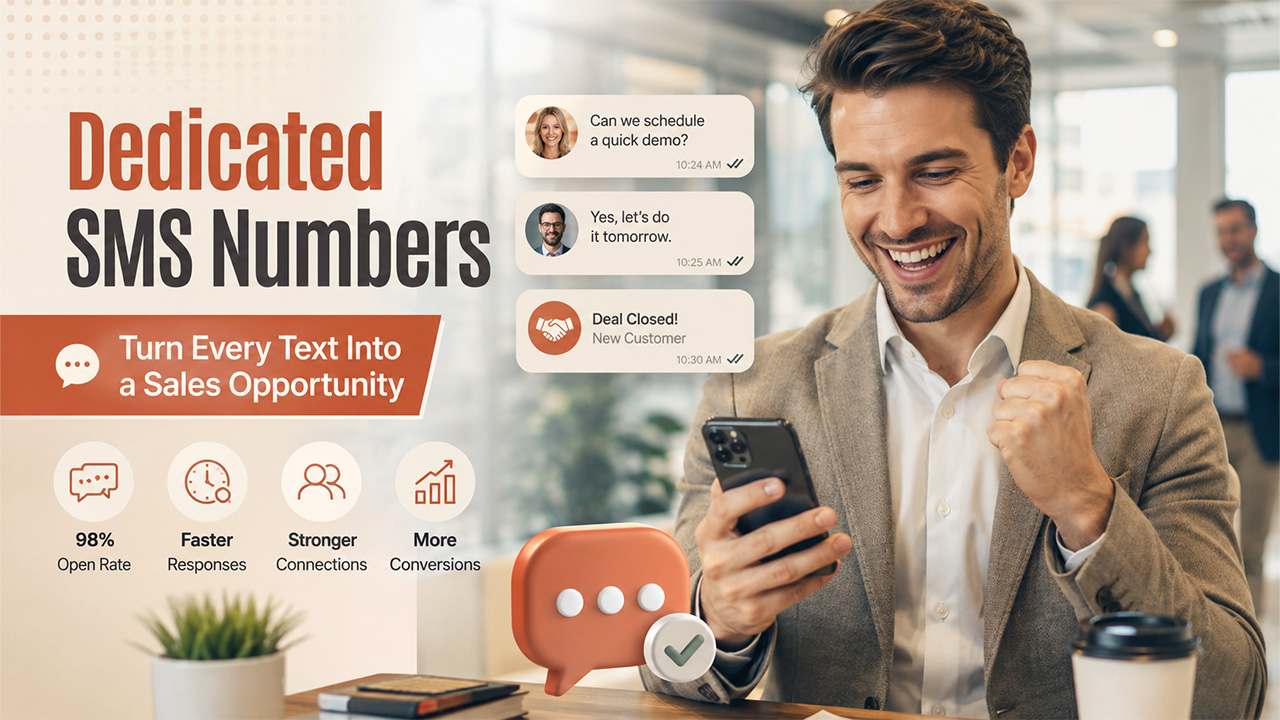
Teams using text messaging close deals significantly faster because SMS open rates exceed 90%, crushing email metrics entirely. It creates an instant, direct line to buyers, bypassing cluttered inboxes and radically shrinking the typical B2B sales cycle.
Corporate inboxes look like digital graveyards today, making dedicated SMS numbers an increasingly valuable communication channel. Unread industry newsletters pile up endlessly alongside desperate cold outreach and ignored internal memos. Leaving a voicemail? Complete waste of time. Most decision-makers screen unknown callers mercilessly. The landscape shifted, favoring asynchronous yet instant communication.
When a revenue team decides to upgrade their tech stack, integrating a reliable virtual number for SMS as part of a dedicated SMS numbers strategy acts as an absolute sanity-saver. It provides a clean, heavily optimized channel built exclusively for doing business. It completely separates weekend group chats from serious, high-stakes contract negotiations. Sales veterans know the golden rule of outreach - meet the prospect where their attention already lives. Right now, that attention is glued to a six-inch glass screen.
Shattering the Communication Bottleneck
Let's look at the actual numbers driving this massive operational shift. According to research from Gartner, SMS open rates consistently hit around 98%, while traditional email campaigns consider a 20% open rate a massive, champagne-popping victory. That gap is wild.
Emails get swallowed whole by aggressive spam filters and automated sorting tabs. Texts behave differently. They buzz right in a buyer's pocket, triggering an immediate psychological response. The dopamine hit from a new mobile notification remains incredibly potent. People check their screens dozens of times an hour, completely out of habit.
Relying on generic email blasts yields terrible, diminishing returns nowadays. Teams must align with the mobile-first habits of modern professionals. If a prospect prefers texting their barista for a morning coffee order, they likely prefer texting a vendor for a quick software pricing update.
Field Triumphs in Mobile Selling

Theory sounds great on paper. Actual pipeline movement matters more. Examining how dedicated SMS numbers perform in real-world deployments reveals exactly how this strategy resurrects stalling deals that most reps would have normally abandoned.
Take a regional commercial real estate firm dealing with brutal no-show rates for high-end property tours. Wasted agent hours were bleeding the operating budget dry week after week. By ditching automated emails for casual text reminders sent exactly two hours before viewings, they dropped their no-show rate by an incredible 42%. The low-friction medium prompted instant replies. Buyers could confirm attendance or reschedule in three seconds without the awkward guilt of making a phone call.
Theory sounds great on paper. Actual pipeline movement matters more. Examining real-world deployments reveals exactly how this strategy resurrects stalling deals that most reps would have normally abandoned.
Another massive win comes from an enterprise SaaS provider operating in the fintech space. Their typical negotiation phase dragged on for 15 painful days. Multi-thousand dollar contracts gathered digital dust in client inboxes while legal teams dragged their feet. The sales squad started dropping quick, friendly text nudges containing secure document links. Boom. The average closing time plummeted to just six days. The mobile notification cut right through the overwhelming corporate clutter, acting as a gentle yet urgent catalyst.
Consider a mid-sized logistics broker struggling with invoice collections. Finance teams ignored their emails for weeks. A simple text containing a direct payment link slashed outstanding accounts receivable by 30% in just two quarters. The sheer convenience of paying an invoice via Apple Pay directly from a text message eliminated all payment friction entirely.
Then there is a boutique insurance agency that miraculously revived 24% of their completely dead leads. Instead of dumping unresponsive contacts into another soul-crushing, six-month drip campaign, reps sent highly personalized check-in texts. No pressure, just a quick hello regarding their upcoming Q3 coverage needs. The casual format sparked actual, organic conversations that stiff, formal emails never could generate.
Blueprints for High-Converting Outreach
Dedicated SMS numbers work best when business communication follow a structured outreach strategy instead of sending messages randomly. Jumping into mobile communication without a solid game plan usually ends in absolute disaster. Bombarding phones with aggressive promos gets numbers blocked instantly, ruining a company's sender reputation overnight. Success in this arena requires extreme precision and deep empathy for the recipient.
- Strategic Timing: Sending messages strictly during local business hours keeps things professional and dramatically boosts positive reply rates. (Nobody wants a software pitch at 9 PM on a Friday).
- Ruthless Brevity: Mobile screens demand short, punchy copy. Keeping the core pitch under 160 characters forces reps to drop the marketing fluff and get straight to the value.
- Frictionless Next Steps: Every single text needs a clear path forward. This could be a quick calendar link for a demo or a simple yes-or-no qualification question.
- Ironclad Compliance: Adhering strictly to regional telecom laws prevents carrier filtering and protects brand reputation entirely.
Connecting the Operational Data Dots
Siloed data destroys efficiency faster than anything else. When representatives text from disparate personal devices, incredibly valuable interactions vanish into the ether. Executive management goes completely blind to the actual conversations happening on the ground. Handoffs between team members become messy and visibly disorganized to the client. Honestly, it turns into an administrative nightmare fast.
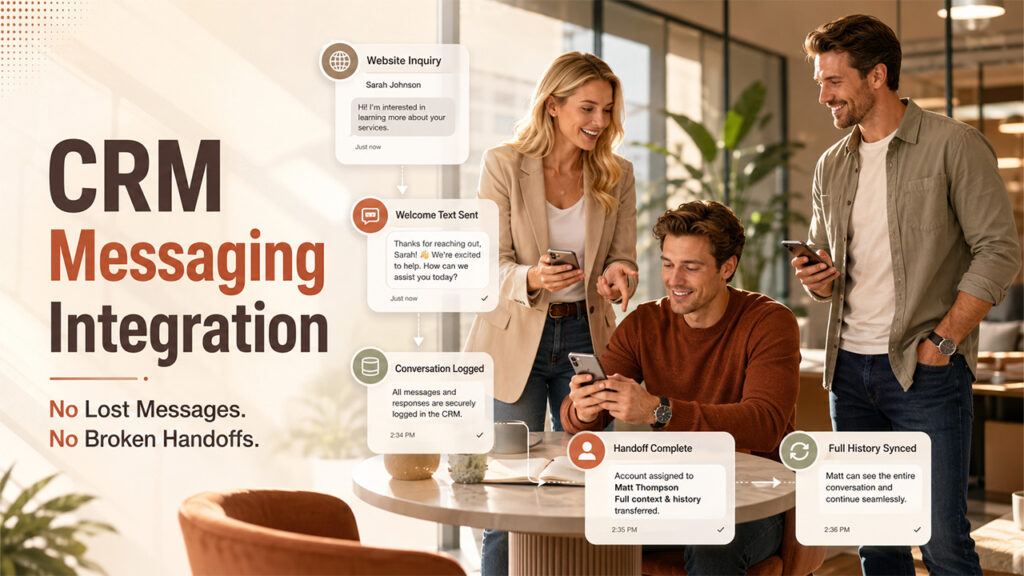
Centralizing mobile capabilities directly inside a master Multilingual CRM changes the whole dynamic. Every single message logs directly to the contact record automatically. This creates a flawless, chronological audit trail. If a primary account manager takes sudden medical leave, a secondary rep can step right in, read the historical thread, and keep the deal moving smoothly. That kind of seamless continuity builds massive trust with B2B buyers who expect white-glove service.
Beyond that, deep system integration unlocks crazy automation capabilities. Smart systems can fire off a personalized welcome text the exact second a hot lead submits a pricing form on the website. Speed absolutely kills the competition in this specific scenario. Connecting within five minutes of an initial inquiry spikes conversion rates heavily. Intelligent automation handles the repetitive grunt work, allowing human closers to focus their energy strictly on complex negotiations.
Winning the Lock Screen Battle
Sales organizations clinging stubbornly to outdated playbooks will inevitably watch their pipelines dry up as competitors adapt. Today's hyper-connected buyers demand speed, zero friction, and refreshing directness. Text messaging checks every single one of those boxes beautifully when executed correctly.
By leveraging dedicated SMS numbers and infrastructure, forward-thinking professionals protect their brand while securely accessing the most valuable digital real estate available today, the smartphone lock screen. It all comes down to respecting the buyer's limited time. Crafting clear, concise, and highly relevant messages turns the mobile channel into a predictable revenue engine rather than a spammy nuisance. Equip the team properly, respect the intimate nature of the medium, and watch those conversion metrics climb steadily upward.
%201.png)

%201.png)

%201.png)