
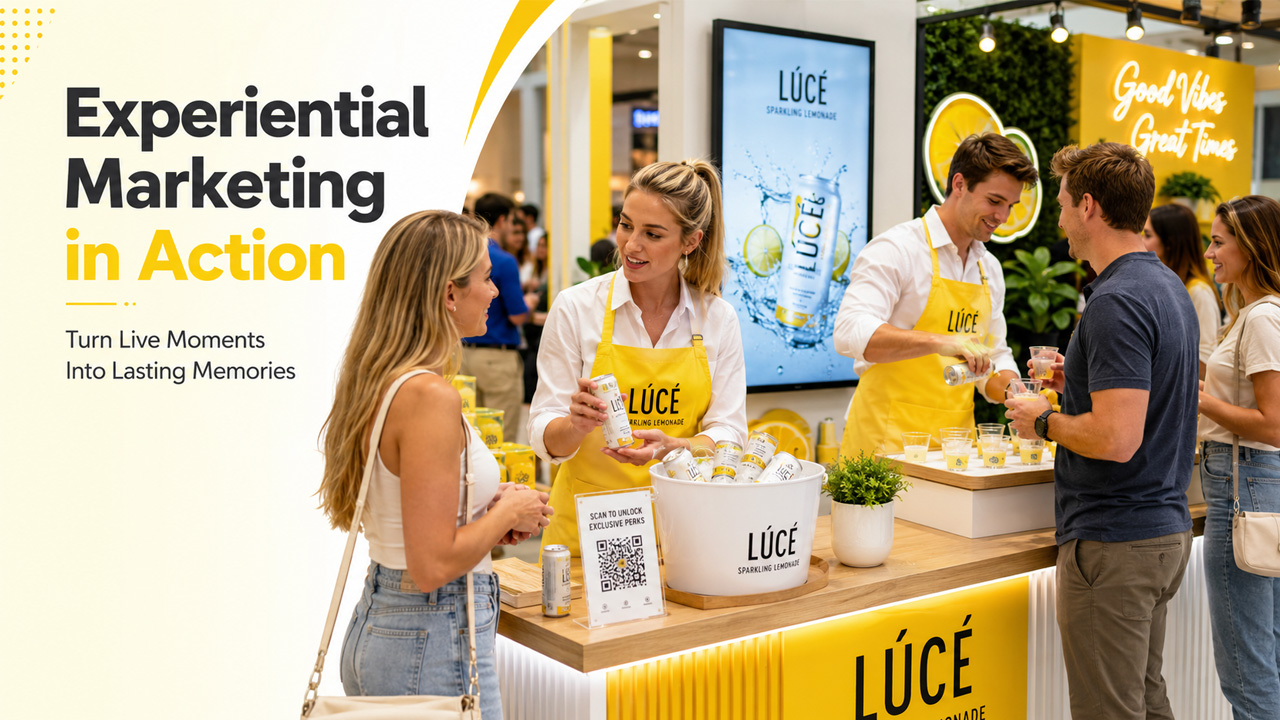

You don’t achieve good brand experience purely by chance. Brands put in a lot of effort into making your experience memorable by strong strategic planning, disciplined staffing, and understanding the needs of their audience and how they should remember their brand. This is achieved through experiential marketing. It provides organizations with a direct way to meet people where they already are, observe their reactions, and test message campaigns in public settings. When those efforts go well, each activation can improve recall, prompt product trial, and build trust through real contact rather than distant exposure alone.
Why Presence Matters
For people, it is easier to remember things that they have experienced themselves such as what they hear, taste, handle or discuss with others. For that reason, many companies rely on experiential marketing teams that bring brands to life during demos, mobile tours, retail programs, and trade events, where trained staff explain products, answer practical questions, and guide each exchange with care. Those live moments give abstract messaging physical form, which makes recall easier after the event ends.
The Human Factor
The way your staff behaves with the audience shapes their perception about your brand. A positive, heartfelt welcome such as greeting politely, providing accurate product information, and being patient with the customer can influence the entire exchange. Skilled staff are good at reading facial expressions, adjusting explanations, and managing volume without making guests feel rushed or hurried. When visitors feel valued and acknowledged, they stay longer, ask better questions, show interest, and leave with a cleaner, good memory of what the company offered.
Clear Goals First
Strong activations begin with measurable objectives. Teams need targets for foot traffic, sample volume, qualified leads, sign-ups, sales lift, or message recall before launch day arrives. Without those markers, a busy event can appear successful while producing weak commercial results. Clear goals also guide format choices, staffing plans, reporting standards, and the daily decisions managers make on site.
Training Builds Consistency
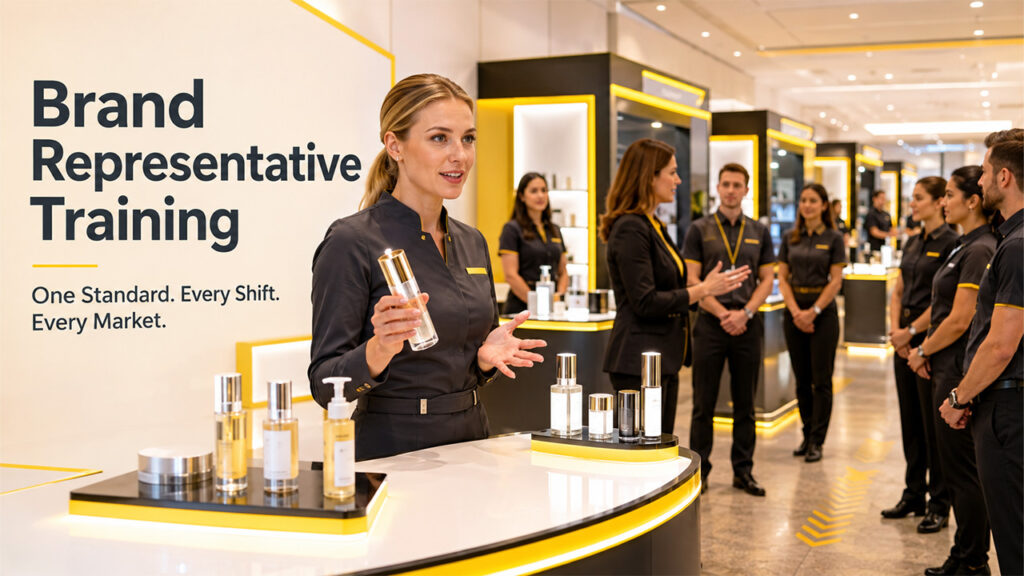
Preparation carries more value than charm alone. Brand representatives need product facts, response guidance, tone standards, and issue protocols before speaking with the public. Good training also covers timing, line management, and reporting discipline. When each person understands the assignment, guests receive a dependable message across every shift, venue, and market, which protects brand credibility during live interactions.
Sensory Touchpoints Stick
Experiences tend to stay with people when several senses work together. Sampling, sound, lighting, movement, and hands-on product use can create stronger recall than a static display alone. Restraint still matters. Every element should support the central promise instead of competing for attention. When sensory cues align with the message, guests leave with a cleaner impression and a sharper emotional association.
Design for Participation
Memory deepens when guests take part rather than stand back and watch. Interactive challenges, guided demos, short games, and product trials invite action, creating a personal connection to the moment. That involvement gives people something to talk about later. Once a visitor has done something with a product, discussion feels more natural and recall usually lasts longer.
Data Makes Events Smarter
Live marketing still needs disciplined measurement. Teams can track scan rates, interaction length, lead quality, conversion by venue, and cost per contact, while CRM Marketing helps organize event leads, automate follow-ups, and measure campaign performance more effectively. Survey feedback can reveal which message held attention and which claim caused confusion. Those figures show whether an activation entertained people, changed perception, or moved product. They also support better staffing choices and sharper budget control next time.
Local Context Counts
A tactic that works well in one city may not work as well in another. Weather, venue layout, commuter flow, neighborhood habits, and local customs all affect response. Strong teams adjust scripts, hours, placement, and pacing to fit each setting. That flexibility helps an event feel grounded in its location. Relevance often matters more than scale when the goal is a lasting human connection.
Speed and Recovery
Live environments change without warning. Supplies run low, lines lengthen, and technical problems can appear at the worst moment. Effective teams recover quickly because responsibilities are clear and backup plans are already in place. A rapid reset protects guest sentiment and preserves momentum. Often, visitors remember how a company handled friction more clearly than the original problem itself.
Social Reach Extends the Moment
An activation may last only a few hours, yet its influence can continue online. Photo stations, creator participation, and naturally shareable scenes give guests a reason to post. That reach works best when the content feels genuine rather than staged. Teams should encourage sharing lightly, explain consent clearly, and keep the face-to-face exchange as the main event from start to finish.
Conclusion
Experiential marketing works best when disciplined execution supports genuine human contact. Memorable moments come from trained staff, clear objectives, thoughtful design, and useful measurement working together at the same time. Companies that treat activations as both creative encounters and practical learning opportunities gain more than attention alone. They build recall, strengthen trust, and collect insight that can improve future campaigns across every channel.
%201.png)

%201.png)

%201.png)