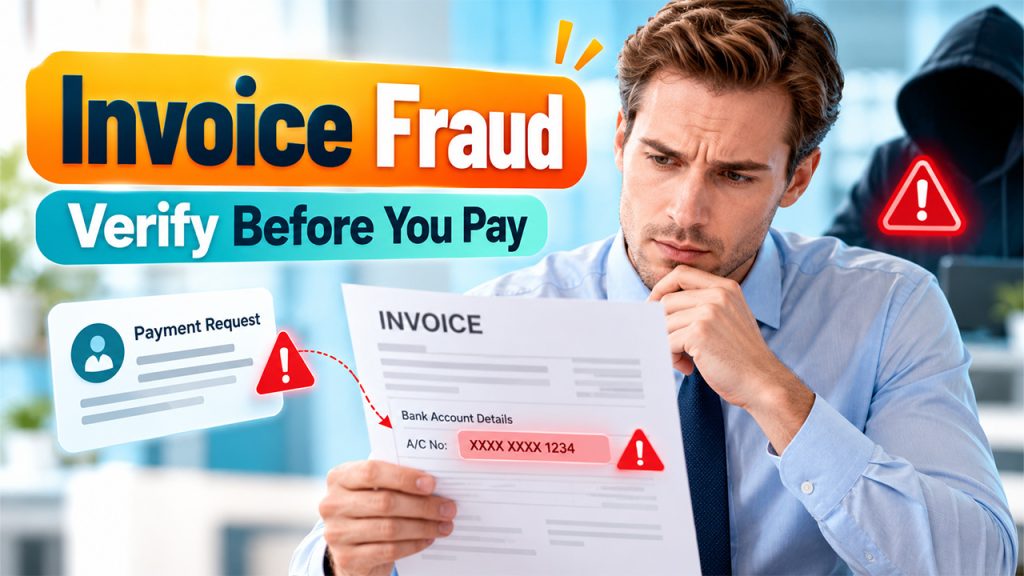
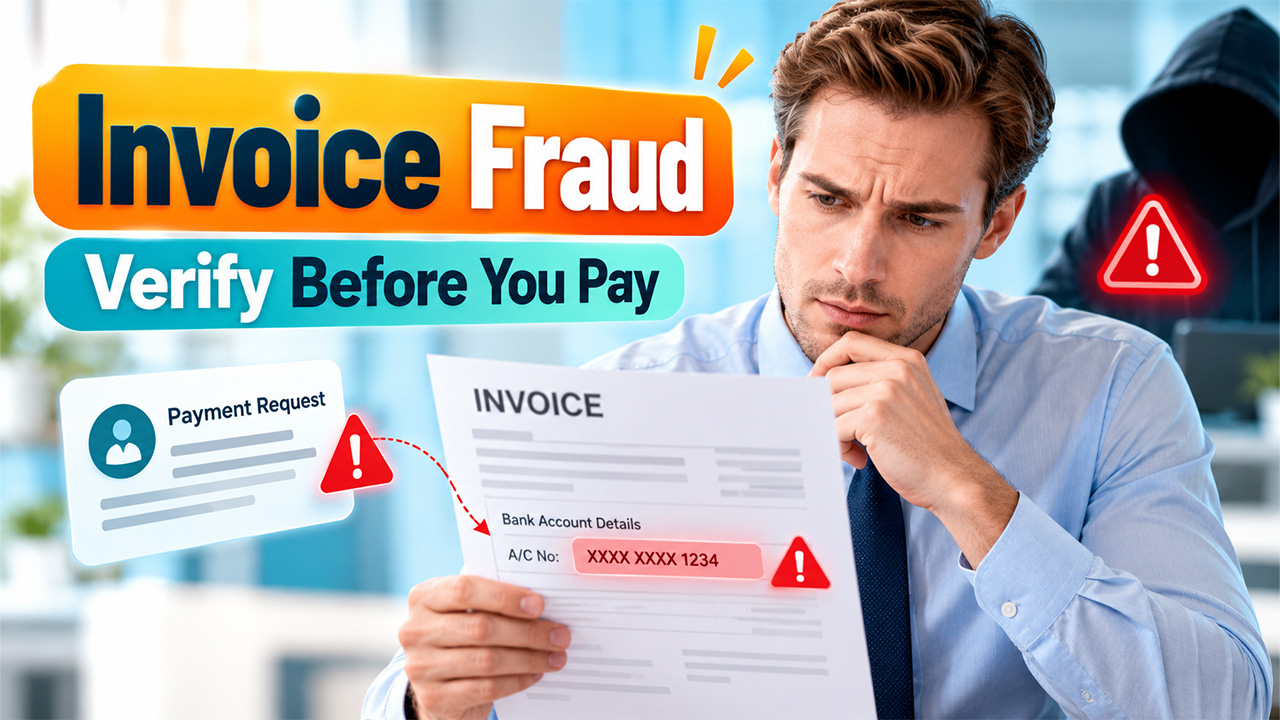

An account manager receives a message from a familiar customer. An invoice needs correcting, a refund should go to a different account, and the finance contact is unavailable. These ordinary-looking requests illustrate why invoice fraud prevention matters for revenue teams. The danger sits inside an ordinary commercial conversation: someone wants the business to accept a new instruction without proving who authorized it.
Revenue teams should treat these moments as part of their security responsibilities. Sales, customer success, operations and finance each hold pieces of the relationship. A sensible process connects those pieces before money, access or sensitive information changes hands. It should also let employees pause an unusual request without feeling they are jeopardizing the customer relationship.
Identify the decisions an attacker wants to influence
Start by mapping requests that change the normal course of a transaction. These include new beneficiary details, urgent refunds, revised purchase orders, requests for customer exports and invitations to move an account discussion to a new messaging service. The useful question is what the recipient is being asked to authorize. A message can sound professional and still ask someone to cross an approval boundary.
The FBI's business email compromise guidance describes criminals impersonating trusted parties and recommends independently verifying payment requests and changes to account details. For a revenue organization, this suggests a practical distinction: being a recognized contact should allow someone to start a conversation, while a separate process establishes their authority to change a financial or administrative instruction.
Consider an illustrative refund request. The customer says an original payment account has closed and supplies a replacement. The account manager knows the customer, but may not know whether the sender can authorize that change. A safer handoff records the request, identifies the contractual contact and routes it to finance for verification. Familiarity helps locate the right person; it does not complete the approval.
Make verification part of the workflow
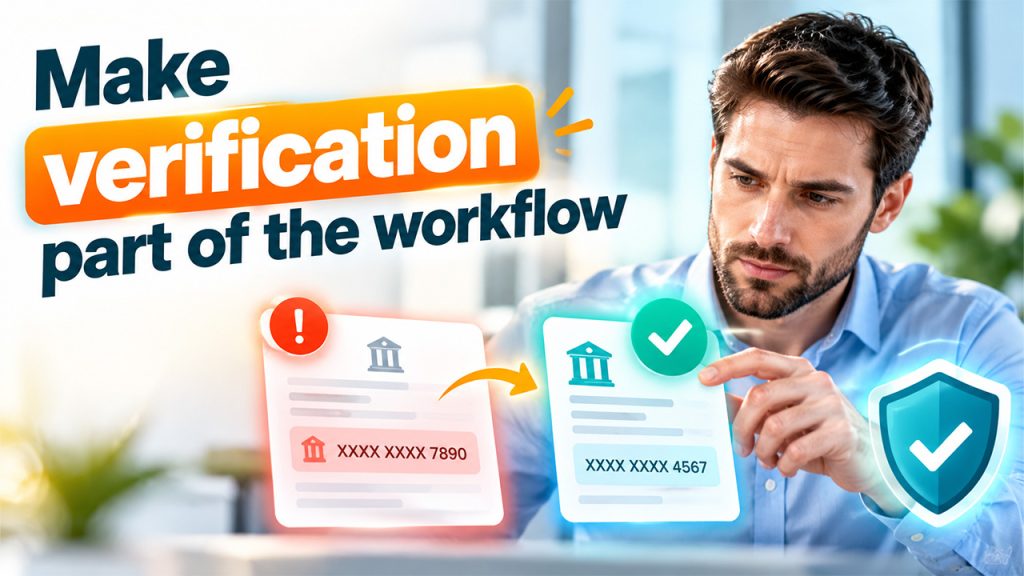
A consistent verification process is one of the most practical ways to strengthen invoice fraud prevention. Agree on a small set of events that always require an independent check. A change of bank details is an obvious candidate. So is a request to send a large customer-data export to a new address. Use contact details held in an established record or another trusted directory, and ensure the checking employee can see how those details were verified.
Agree on a small set of events that always require an independent check. A change of bank details is an obvious candidate. So is a request to send a large customer-data export to a new address. Use contact details held in an established record or another trusted directory, and ensure the checking employee can see how those details were verified.
The check should confirm the actual change, not merely whether the customer sent an email. Someone may acknowledge a conversation without realizing it contains substituted payment instructions. Read back the beneficiary or describe the requested action through the verified channel. Where a second employee approves the transaction, give that person the original request and the verification record rather than a bare approval checkbox.
Build an exception route for legitimate urgency. A published escalation contact, a designated alternate approver and a documented reason for the exception are more useful than an informal permission to use judgment. Review exceptions periodically. If the same customer repeatedly needs special treatment, redesign the normal process so the team can serve them without improvising every time.
Use the CRM to preserve a reliable history
A CRM can make the process visible across departments. Record who requested a sensitive change, what changed, who verified it and which independent contact method was used. Separate the requester from the approver. Restrict who can edit verified payment contacts, and review permissions when people change roles. These are workflow recommendations, not a claim that a CRM alone can authenticate an email.
The conversation history also needs scrutiny. Microsoft's research into a SharePoint phishing and BEC campaign documents how account compromise can feed subsequent fraud. An established email thread is therefore context, not conclusive evidence of authorization. Ask IT to investigate unexpected forwarding rules, unfamiliar account activity or a customer reporting messages your team did not send.
These records support invoice fraud prevention by helping teams trace who requested a financial change, how the request was verified, and whether the correct approval process was followed, while reinforcing data security and privacy.
Connect employee decisions with email protection
Tools should support the people making these decisions. Noon Security combines email protection with employee training and phishing simulations, providing one approach to connecting inbox threats with the behaviors teams need to practise. For revenue operations, the relevant evaluation is whether the platform fits existing email services, helps staff report suspicious requests and supports timely handling of confirmed threats. A pilot can use authorized finance and customer-service scenarios to examine those workflows. The purchasing decision should reflect how the team will investigate an invoice change and coach the employee involved, alongside the product's email-protection capabilities.
Define the response before an incident happens. Revenue staff need one internal route for reporting a suspicious request and a way to flag transactions still awaiting release. If a payment may have gone to a criminal, contact the financial institution immediately and involve the security team. Preserve the original correspondence and approval history so investigators can establish what happened.
Effective invoice fraud prevention depends on making verification a normal part of the customer experience. Tell clients during onboarding that sensitive changes receive an independent check, and provide a dependable route for genuine requests. A consistent process protects both parties and gives employees a clear explanation when a rushed conversation needs to slow down.