

B2B buying has changed. People do not want to fill out a form and wait two days for a sales call anymore. They want answers right now, on the page they are reading, before they even think about booking a demo. That is exactly why Website Chatbot Platforms have quietly become a standard part of the B2B website stack.
That is exactly why conversational tools have quietly become a standard part of the B2B website stack. A good one captures leads while you sleep, qualifies them before your reps wake up, and routes the hot ones straight to your calendar. A bad one annoys visitors and gets ignored.
Picking the right platform matters more than most people realise. Pick wrong and you pay for a tool nobody trusts. Pick right and it becomes one of your best-performing pipeline channels.
Here are ten platforms worth putting on your shortlist this year, plus what to think about beyond the tool itself.
What Makes a Strong Conversational Platform for B2B Sites
Not all chat tools are built for B2B, and the wrong fit will frustrate both you and your buyers. A quick framework before the list.
Lead Qualification and Routing
B2B is not retail. You need a tool that asks the right questions, scores the visitor, and hands them off to the right rep at the right moment.
Integration With Your Existing Stack
If it does not talk to your CRM, your meeting scheduler, and your marketing automation, it will create more work for your team, not less.
Accuracy and Source Citation
B2B buyers ask technical questions. Tools that pull from your real documentation and link back to the source build trust. Tools that hallucinate destroy it. The same trust problem shows up in AI-generated content across marketing channels, which is why citation and accuracy matter so much in chat too.
Top Platforms Worth Evaluating This Year
1. Denser
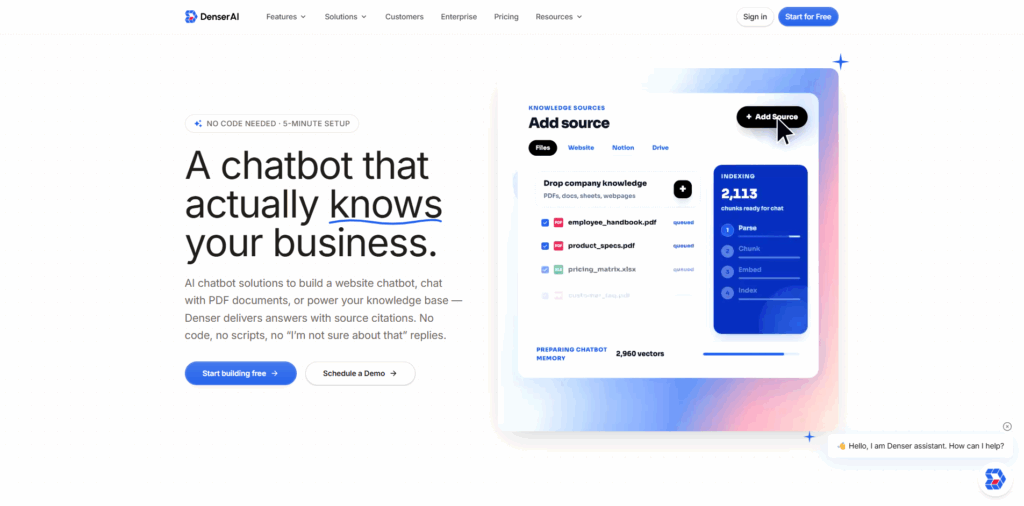
Best for B2B teams that need accurate, cited answers pulled from their own knowledge base or website content. You point it at your docs, your website, or a set of PDFs, and it builds an ai chatbot for website use that actually understands what your company does. Setup takes minutes rather than weeks, the semantic search is genuinely strong, and every response links back to its source so buyers can verify what they read. That last part matters more than people realise. B2B prospects do not trust AI answers by default, and a citation next to every reply quietly fixes that problem.
2. HubSpot Chatbot Builder
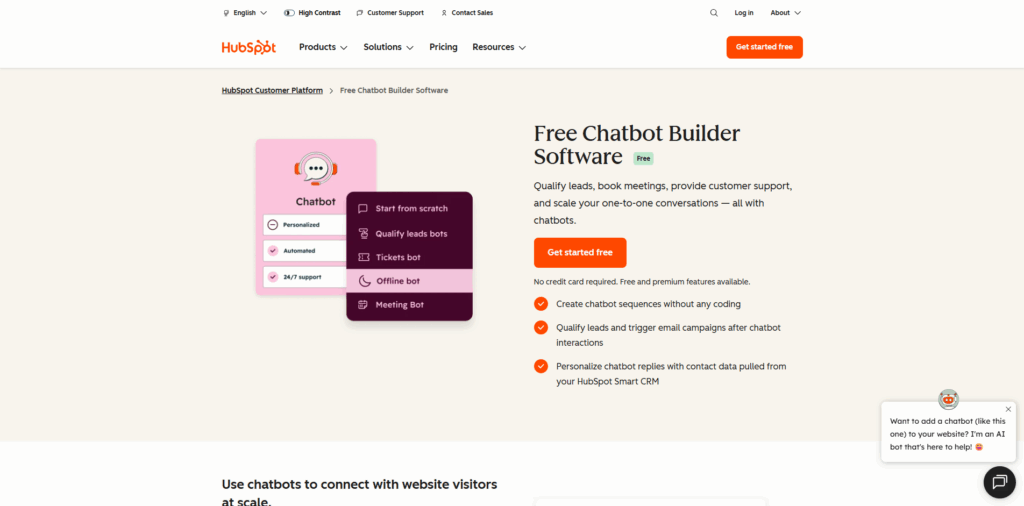
A safe pick if you already live inside HubSpot. Among the many digital marketing tools B2B teams rely on, HubSpot stands out for its native CRM sync and a no-code builder friendly enough that your marketing team can manage it without engineering help — and the free tier covers the basics. It is less powerful than dedicated AI tools, and the conversation flows can feel a bit rigid, but for HubSpot shops the integration depth is hard to beat. If your reps already work out of HubSpot every day, the data flowing in cleanly is worth a lot.
3. Intercom
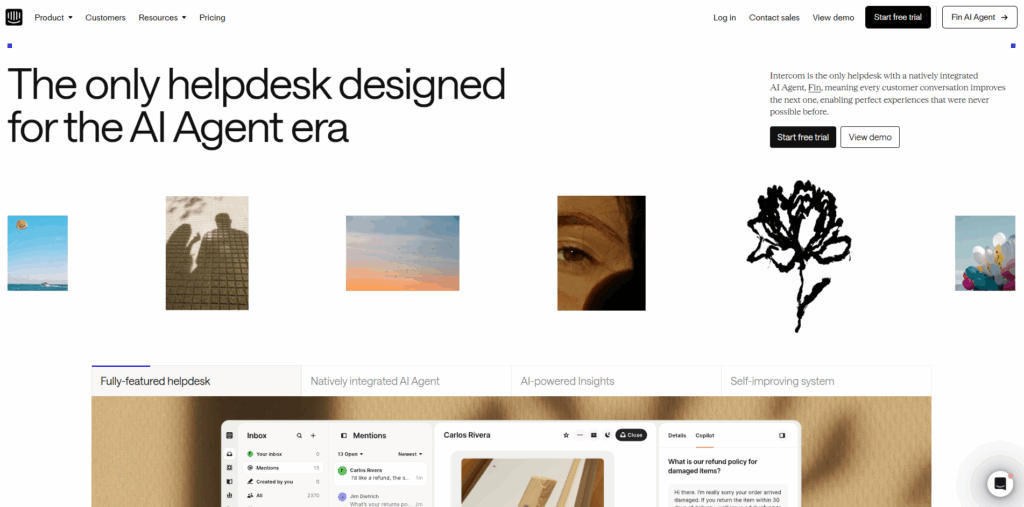
A polished, established option with a strong support suite behind it. Fin, the AI agent, handles complex queries surprisingly well and pulls from your help centre intelligently. The interface is one of the cleanest in the category, and the ticketing and inbox tools mean your support team can actually live inside the product. The catch is the price, which climbs quickly as your team grows.
4. Drift
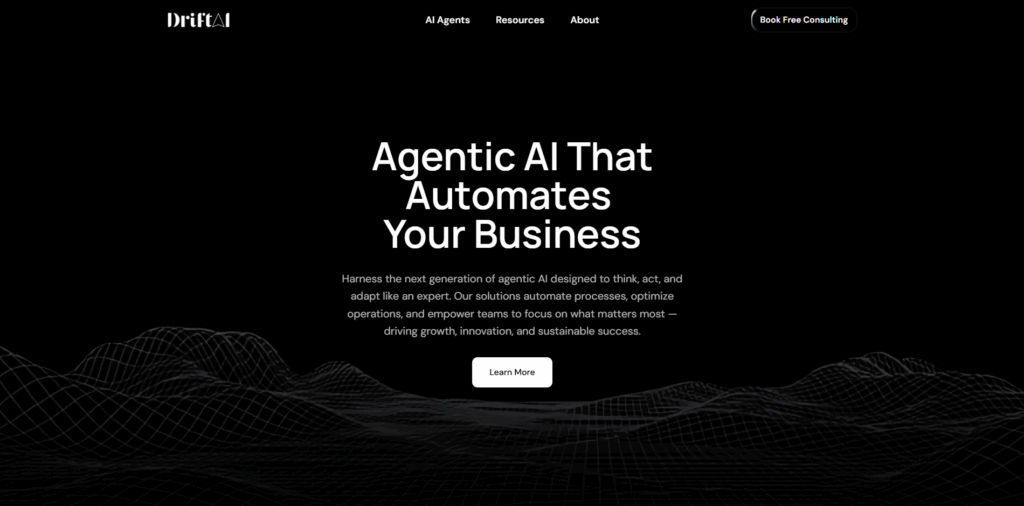
Built specifically for B2B sales acceleration, and it shows. Meeting booking, account-based routing, conversation playbooks, and rep handoff are all first-class features rather than bolt-ons. If your sales motion depends on getting the right rep into the right conversation at the right moment, Drift is purpose-built for that. Pricing starts high, so it suits scale-stage companies more than bootstrapped teams.
5. Tidio
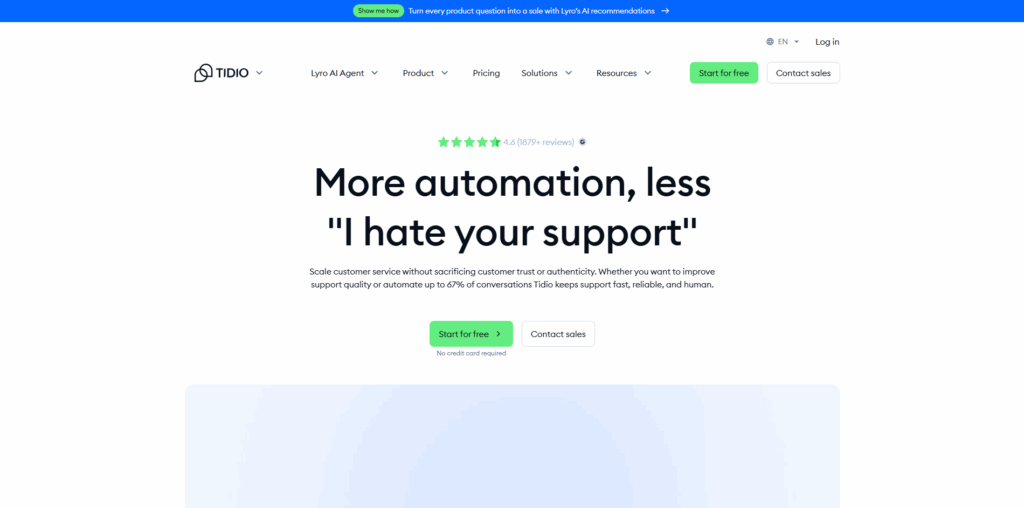
A friendly choice for smaller B2B teams who want something that works without a long onboarding. The free tier is genuinely usable, the Lyro AI handles a respectable chunk of routine questions, and the interface is easy to learn in an afternoon. It does not have the routing depth of Drift or the polish of Intercom, but for a ten-person startup it covers the essentials at a price that does not sting.
6. ChatBot.com
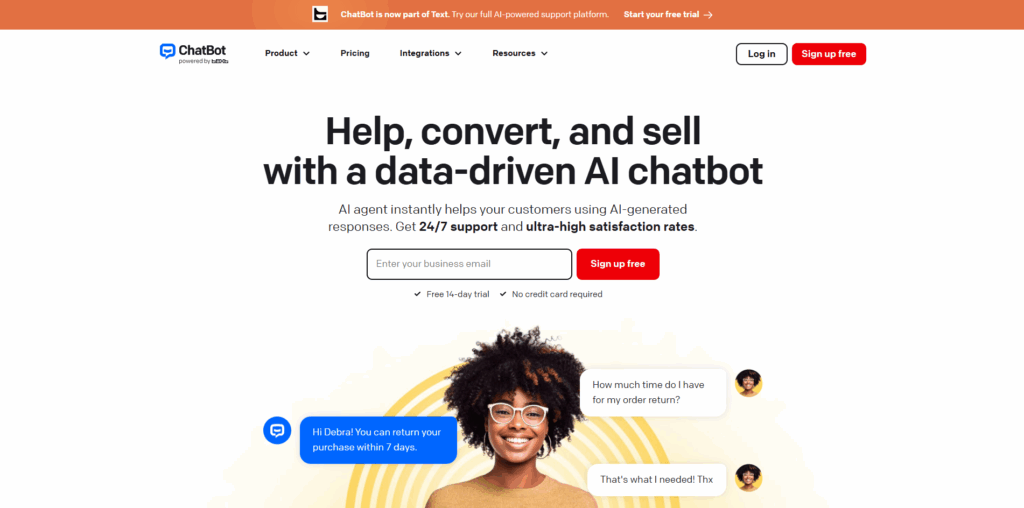
Strong visual workflow builder for teams who prefer mapping conversation flows manually rather than trusting AI to figure things out on its own. The drag-and-drop interface is one of the better ones in this space, and the level of control you get over branching logic is genuinely impressive. The trade-off is time. Building good flows takes effort, and unlike AI-first tools, this one will not learn and improve on its own.
7. LivePerson
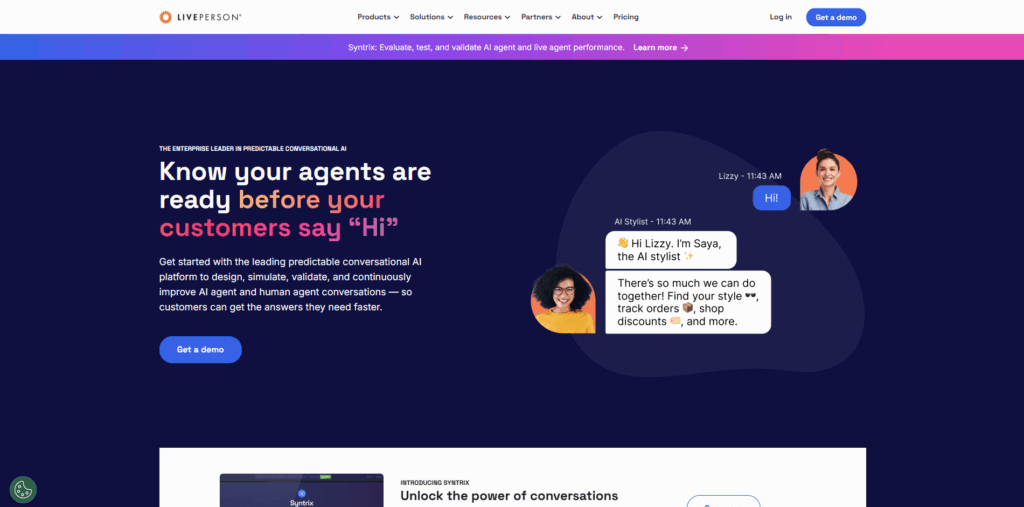
Enterprise-grade, omnichannel, and built for organisations with serious volume. The Conversational Cloud platform handles voice and digital channels together, which matters if your support operation spans phone, web chat, and messaging apps. Probably overkill for a ten-person startup, but worth knowing about as you scale into the kind of company that buys software through procurement rather than a credit card.
8. Freshchat
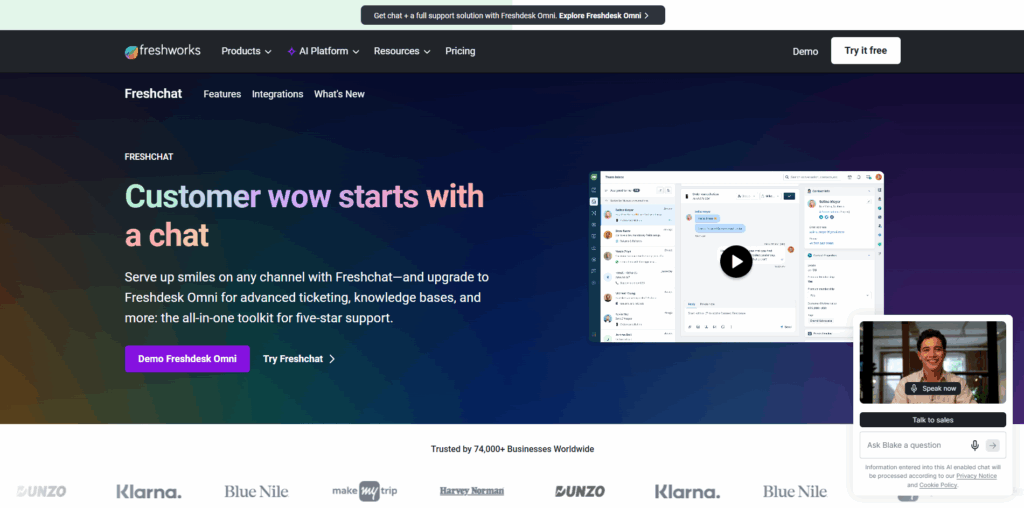
A natural fit if your company already runs on Freshworks. The unified agent workspace keeps your support team in one tool, Freddy AI handles automation reasonably well, and the WhatsApp integration is one of the smoother ones on the market. Less compelling if you are not already in the Freshworks ecosystem, but very compelling if you are.
9. ManyChat
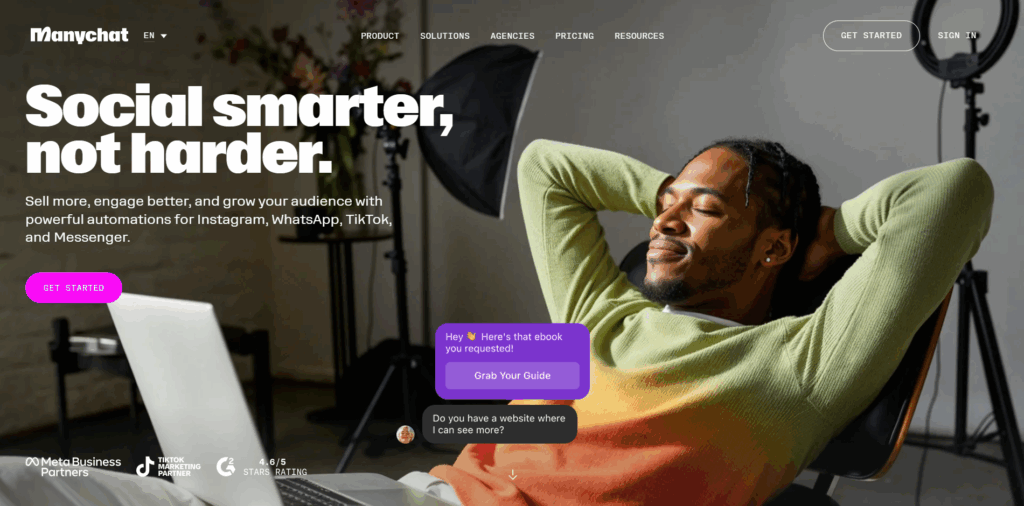
Better known for social channels than websites, but worth a look if your B2B motion blends LinkedIn, Instagram, and web touchpoints. The Instagram and Messenger automation is genuinely best-in-class, and for B2B teams running creator partnerships or social-led campaigns, that matters. As a pure website chatbot it is weaker than the others on this list, so think of it as a complement rather than a replacement.
10. Chatfuel
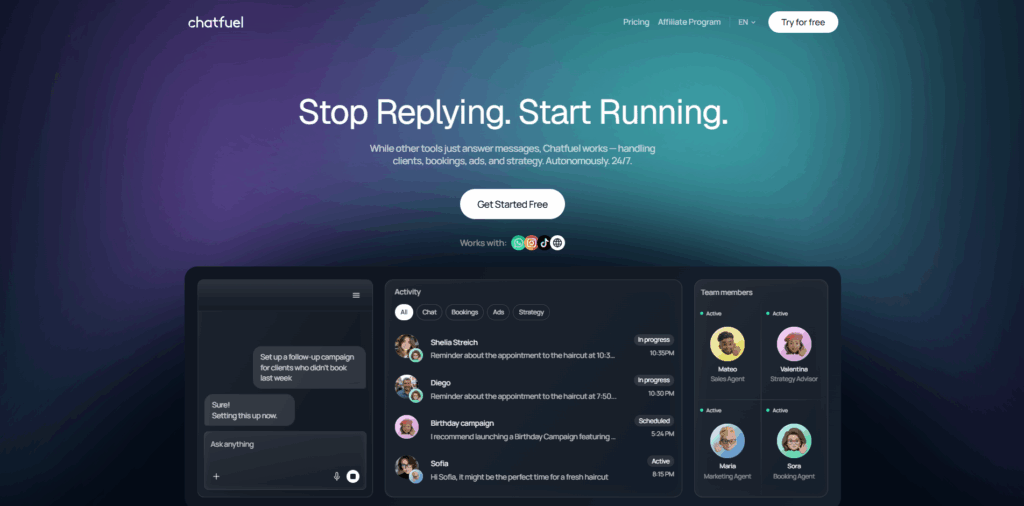
Similar to ManyChat in that it leans heavily toward Messenger, Instagram, and WhatsApp. Useful if your buyers spend more time in social DMs than on your homepage, which is more common in certain B2B niches than you might expect. The platform handles serious volume and the no-code builder is approachable, but it does not offer a website chat widget, so it pairs best with a web-first tool rather than replacing one.
How to Choose the Right Fit
Match the tool to your stage. Early-stage startups need fast setup and a free tier. Scale-stage companies need routing depth and integrations. Buying for the company you will be in two years often means overpaying today. The classic free trial vs demo debate favors trial on real traffic: internal demos lie, but free trials on your live site tell the truth. And watch the hidden costs, because per-resolution pricing and AI add-ons can quietly double your bill.
Conclusion
The best chat platform is not the one with the longest feature list. It is the one that fits your team's stage, your tech stack, and the way your buyers actually behave. Pick two or three from this list, run real trials, and pay attention to what your prospects do, not what the vendor says they will do. And while you are evaluating tools, do not forget the back end. The smoothest chat experience in the world still depends on the infrastructure quietly running behind it.
Frequently Asked Questions
Q1. Are conversational platforms worth it for early-stage B2B startups?
Yes, especially for lead qualification. Even a free-tier setup can capture visitors who would otherwise bounce, and that is real pipeline you were leaving on the table.
Q2. How long does it take to deploy one of these tools?
Most modern platforms get a basic setup live in under an hour. Training the bot on your knowledge base and connecting it to your CRM takes longer, usually a few days of focused work.
Q3. Do these platforms replace human sales reps?
No, and they should not try to. They handle qualification, routing, and after-hours coverage so your reps spend their time on conversations that actually move pipeline.
Q4. What about data privacy for enterprise buyers?
Check each vendor's data residency, encryption standards, and SOC 2 status before signing anything. In regulated B2B sectors, this is non-negotiable and procurement teams will ask early.
%201.png)

%201.png)

%201.png)