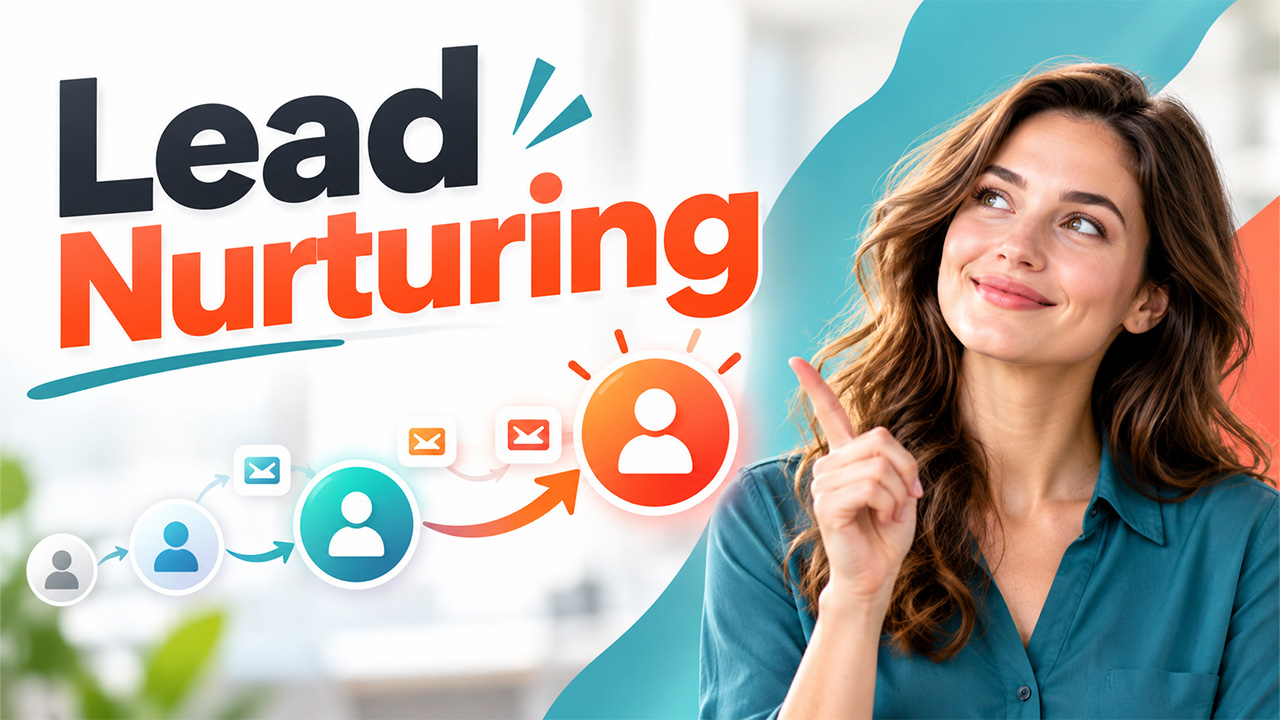

The blog explores what leads to nurturing is, why it matters, and the most effective strategies to turn prospects into customers.
In the current competitive business landscape, generating leads is only considered the first step toward achieving sales success. Every prospect that visits the website usually is not ready to make a purchase. Some visitors need more information, while others require time to evaluate their options, and many need to build trust with the brand before making a decision. This is where lead nurturing becomes essential.
Lead nurturing helps businesses develop meaningful relationships with potential customers, as it delivers relevant information, personalized communication, and timely support throughout the buyer's journey. Businesses can guide the visitor toward informed decisions and increase their likelihood of conversion. Implementing the right process of nurturing leads can help improve engagement, strengthen customer relationships, and drive sustainable revenue growth.
What is Lead Nurturing?
Lead nurturing is the process of building relationships with potential customers. The process involves relevant content, information, and communication at different stages of their buying journey. The main goal of the lead nurturing process is to help prospects clearly understand their challenges, evaluate all possible solutions, and be confident enough to make a purchase.
An effective process of nurturing leads mainly focuses on three elements, which include relevance, consistency, and personalization.
- Relevance is the process of sharing information that matches the interests and needs of a prospect.
- Consistency is when a business maintains meaningful communication without overwhelming potential customers.
- Personalization is tailoring messages according to the behavior, preferences, and buying stage of a customer.
Importance of Lead Nurturing for Business Growth
The process of lead nurturing helps businesses build trust, maintain engagement, and improve the chances of converting prospects into buying customers. It also helps sales and marketing teams focus more on the right opportunities, instead of treating every lead immediately ready to buy.
Some of the key benefits of the lead nurturing process for businesses are as follows:
- Builds Trust: Provides helpful information that demonstrates your expertise.
- Improves Conversions: Guides prospects toward a purchase through relevant communication.
- Strengthens Engagement: Keeps your brand visible throughout the buyer's journey.
- Supports Sales Teams: Helps identify prospects who are ready for a sales conversation.
- Improves Marketing Efficiency: Helps businesses get more value from the leads they already generate.
Effective Lead Nurturing Strategies
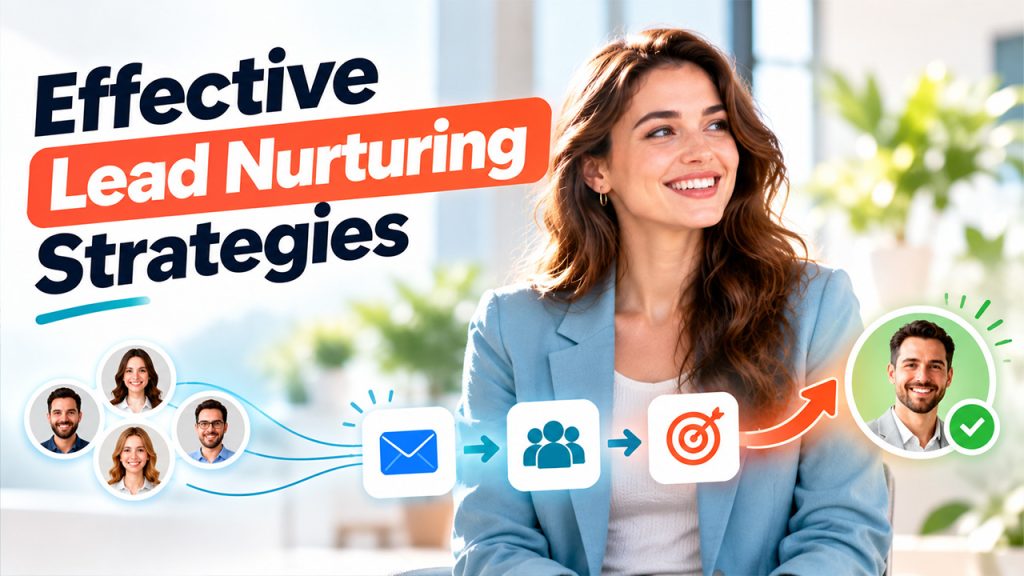
Building a successful lead nurturing strategy generally requires a combination of relevant content, timely communication, audience segmentation, and ongoing performance measurement. Businesses looking to streamline this process can explore CRM for lead generation to capture prospects, automate follow-ups, qualify leads, and track conversion opportunities.
Some of the most effective lead nurturing strategies include the following:
- Understand the Target Audience
A successful lead nurturing begins with understanding who the main prospects are and what they need. This information helps develop detailed buyer personas that are based on customer demographics, professional roles, business challenges, purchasing behavior, and goals. Businesses can use customer interviews, marketing analytics, sales conversations, and CRM data to identify common patterns.
Businesses can also identify the most common questions, objections, and decision-making factors of their prospects to shape their nurturing campaign.
- Segment Leads Based on Their Interests and Behavior
Lead segmentation allows businesses to organize contacts into meaningful groups and deliver more relevant communication. Businesses can segment leads based on demographics, behavior, buying stage, interest, and engagement level. An effective segmentation ensures that each prospect receives information that can match their interest and readiness to purchase.
To improve lead prioritization and conversion opportunities, businesses can follow these best practices for sales lead management to organize prospect data, evaluate engagement, and identify promising sales opportunities.
- Create Valuable and Educational Content
In lead nurturing, content marketing plays a significant role as it helps prospects understand their problems and evaluate possible solutions. Businesses can focus more on creating content that answers questions and supports informed decision-making, rather than constantly promoting their products or services.
- Using Email Marketing
In the lead nurturing process, email marketing remains a practical channel for nurturing prospects, as it enables businesses to deliver targeted information directly to interested audiences. An effective email nurturing sequence needs to offer value rather than overwhelm the subscriber with repetitive promotional messages.
Businesses should focus more on personalized subject lines and email content and make it easy for recipients to manage their preferences or unsubscribe.
- Use Marketing Automation
With the increase in the volume of leads, manually following up with every prospect can become difficult. Marketing automation enables businesses to maintain consistent communication while also reducing repetitive tasks. Automation platforms help trigger emails, assign leads, update CRM records, and notify sales teams based on predefined conditions. Automation can also support lead scoring, re-engagement campaigns, and personalized content delivery.
Nurturing Leads at Different Stages of Buyer's Journey
Nurturing leads at different stages of the buyer's journey means providing potential customers with the right information, guidance, and support based on where they are in their purchasing decision.
To understand how to nurture sales leads at different stages of the buyer's journey, businesses can explore the following:
- Awareness Stage
At the awareness stage, the prospect recognizes a problem or need but is unable to know which solution is right for them. Businesses can efficiently nurture leads by sharing educational blog posts, helpful guides, social media content, and informative videos that explain their challenges and possible solutions.
- Consideration Stage
Prospects begin researching and comparing different solutions. Businesses can provide detailed case studies, webinars, product comparisons, and expert insights to demonstrate how their products or services can address specific needs.
- Decision Stage
Prospects are ready to choose a provider or make a purchase. Businesses can nurture these leads through personalized consultations, product demonstrations, customer testimonials, pricing information, and timely follow-ups that address final concerns and encourage action.
Common Mistakes to Avoid
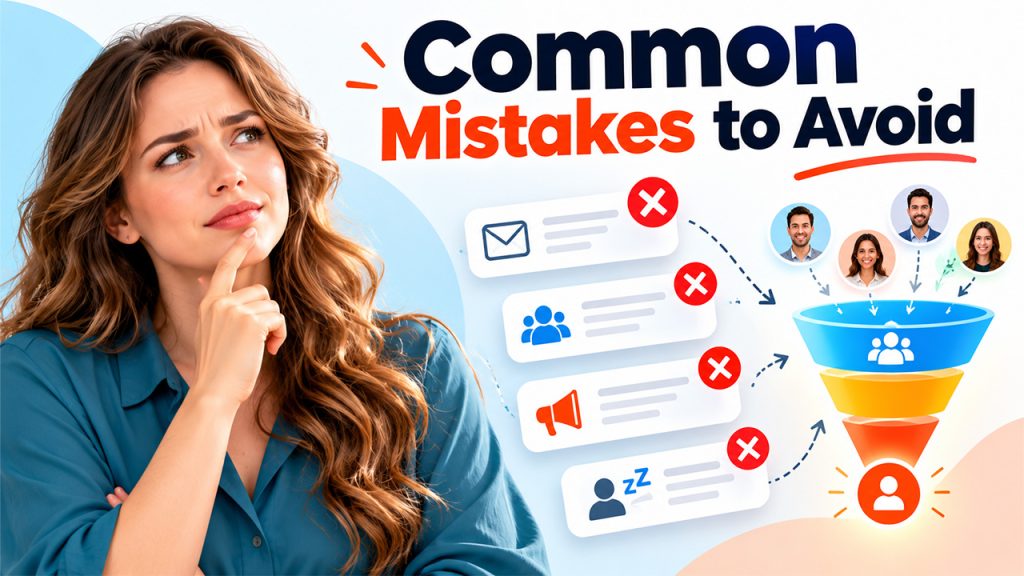
Some of the common lead nurturing mistakes to avoid are as follows:
- Sending Generic Messages: Irrelevant communication reduces engagement and weakens trust.
- Contacting Prospects Frequently: Excessive emails and follow-ups can frustrate recipients.
- Focusing Only on Sales: Constant promotional messages fail to provide the information prospects need.
- Ignoring Inactive Leads: Some prospects may simply need different content or more time, although persistent inactivity can also indicate a lack of interest.
Conclusion
Effective lead nurturing helps businesses build trust, strengthen engagement, and convert prospects into loyal customers. Businesses can implement the right lead nurturing strategy by delivering valuable content, personalizing communication, and using marketing automation they can guide prospects through every stage of the buyer's journey. A consistent and customer-focused approach helps support long-term business growth and improve conversion opportunities.
FAQs About Lead Nurturing
Lead nurturing helps businesses maintain engagement, build credibility, address customer concerns, and improve conversion opportunities.
Lead nurturing delivers relevant information at each stage of the buyer's journey, helping prospects understand their needs, evaluate solutions, and overcome purchasing objections.
Email marketing helps businesses maintain direct communication with prospects through educational resources, product updates, case studies, and personalized offers.
CRM software helps businesses organize prospect information, track interactions, segment leads, monitor sales pipeline progress, and coordinate follow-ups. When integrated with marketing automation, it can support personalized communication and help sales teams identify promising opportunities.