

In 2026, the insurance industry witnessed a rapid move towards digitalization. In the industry, customers expect more personalized experiences, along with instant responses, digital communication, and seamless policy management. At the same time, the agencies and brokers operating in the insurance sector are also facing increasing competition, regulatory requirements, and pressure to improve customer retention.
The CRM for insurance helps the agencies and brokers meet these challenges efficiently. The Customer Relationship Management system, designed for the insurance sector, is not just a contact database but has become a strategic platform that helps insurers seamlessly manage leads, automate workflows, nurture customer relationships, and improve retention.
What is CRM for Insurance?
A CRM for insurance is a specifically designed tool that helps insurance agents, brokers, and companies manage all their customer relationships and business activities from a centralized tool.
Instead of using spreadsheets, emails, and different tools to track customers, a CRM for insurance helps bring everything together. The CRM platform serves as a centralized database for all the claims, leads, and renewals of the customers.
Essential Features of CRM for Insurance
The CRM for insurance offers agencies and brokers various key features, which are as follows:
- Policy and Renewal Tracking: The platform offers centralized tracking for life, health, and vehicle policies. It also triggers automated renewal reminders through SMS, WhatsApp, or email.
- Leads and Sales Management: The platform tracks prospects through the pipeline and can also automate assignments to the right agents.
- Commission Management: The CRM for insurance tracks individual agent performance and can also calculate commission payouts.
- Omnichannel Communication: The platform aggregates client interactions into one accessible dashboard.
CRM for Insurance vs Other Types of CRM
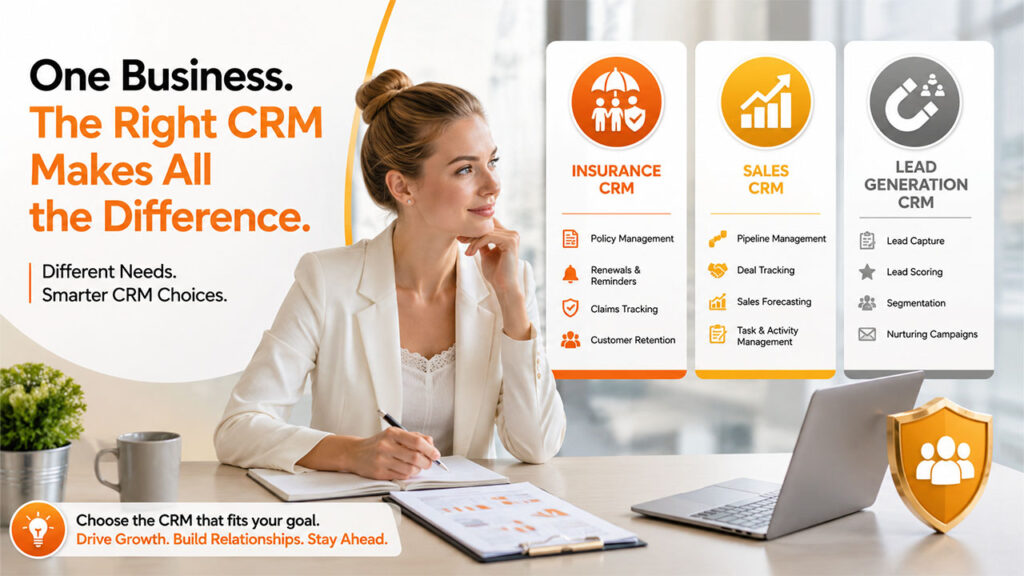
CRM systems can be specifically designed for different business goals. While all CRM platforms are designed for any specific industry manage customer data, their purpose, features, and usage depend on the industry.
The major difference between the three major types of CRM, i.e., CRM for insurance, CRM for sales teams, and CRM for lead generation, is as follows:
1. CRM for Insurance
The CRM for Insurance is designed to manage the entire customer insurance lifecycle, from long-term relationships to policies, renewals, and claims.
Key Focus:
- Customer retention
- Policy lifecycle management
- Renewals and long-term service
2. CRM for Sales Team
The CRM for the sales team is designed to help businesses efficiently convert leads into customers.
Key Focus:
- Sales pipeline management
- Deal closure
- Revenue generation
3. CRM for Lead Generation
The CRM for lead generation mainly focuses on finding, capturing, and nurturing new leads.
Key Focus:
- Lead acquisition
- Lead nurturing
- Marketing automation
A quick comparison between CRM for insurance, CRM for sales, and CRM for lead generation is as follows:
| Aspect | CRM for Insurance | CRM for Sales Team | CRM for Lead Generation |
|---|---|---|---|
| Primary Focus | Managing the full insurance customer lifecycle | Managing sales pipeline and closing deals | Capture, track, and nurture leads |
| Core Features | Policy tracking, renewal reminders, cross-selling, claim management | Pipeline management, deal tracking, forecasting, task management | Lead capture forms, lead scoring, segmentation, nurturing campaigns |
| Complexity | High | Medium | Low to medium |
| Ideal for | Insurance companies and agencies | B2B/B2C sales teams | Marketing agencies, startups, growth teams |
Benefits of CRM for Insurance
The CRM for insurance helps transform how agencies manage the client lifecycle. The platform centralizes client data, automates repetitive workflows, and tracks policy details.
Some of the core benefits of CRM for insurance are as follows:
- Complete Client View: The platform consolidates contact details, policy types, premium histories, and past claims into a centralized dashboard, helping agents have complete context before every call.
- Workflow Automation: Streamlines tedious administrative tasks, such as data entry, claims tracking, and policy renewal alerts. It also reduces errors and saves valuable time.
- Cross-Selling and Upselling: The platform automatically identifies gaps in client coverage and highlights timely moments to suggest relevant add-ons or upgrades.
- Targeted Marketing: The CRM system segments client data by demography and behavior to run a precise marketing campaign.
Popular CRM for Insurance
In the insurance sector, there are various popular and powerful CRM platforms available, which are aimed at helping agencies manage customers, policies, renewals, and sales in one system. Some of the most popular CRM platforms for the insurance sector are as follows:
| CRM for Insurance | Primary Focus | Limitations | Ideal For |
|---|---|---|---|
| Salesforce Insurance Cloud | Manage the complete insurance lifecycle. | High implementation and licensing costs. | Large insurance companies. |
| HubSpot CRM | Simplify customer relationship management. | Limited insurance-specific functionality. | Small to mid-sized agencies. |
| Zoho CRM | Offering an affordable and customizable CRM solution. | Complex user interface for beginners. | Small to mid-sized agencies. |
| Microsoft Dynamics 365 | Combines CRM, business intelligence, and automation. | Requires specialized training and setup. | Large insurance companies. |
| Pipedrive | Streamlines lead management and sales pipeline activities. | Limited enterprise-level features. | Insurance brokers and independent agents. |
1. Salesforce (Insurance Cloud)
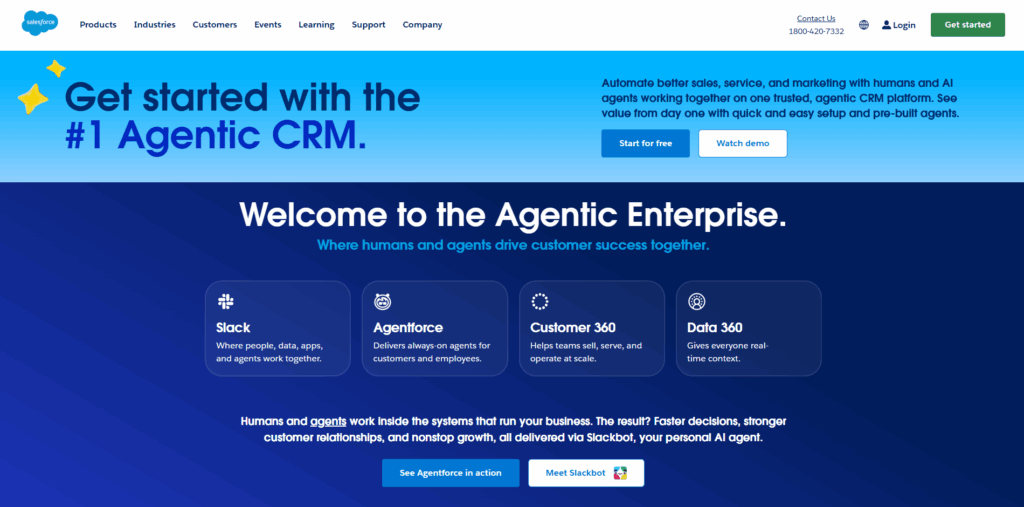
Salesforce is among the most popular and widely used CRM platforms globally. Salesforce's Insurance Cloud is a highly customizable platform that is suitable for large insurance companies and enterprises that require advanced automation and scalability.
Key Features:
- Policy and customer lifecycle management
- AI-powered insights
- Automated workflows and approvals
- Strong integration ecosystem
2. HubSpot CRM:
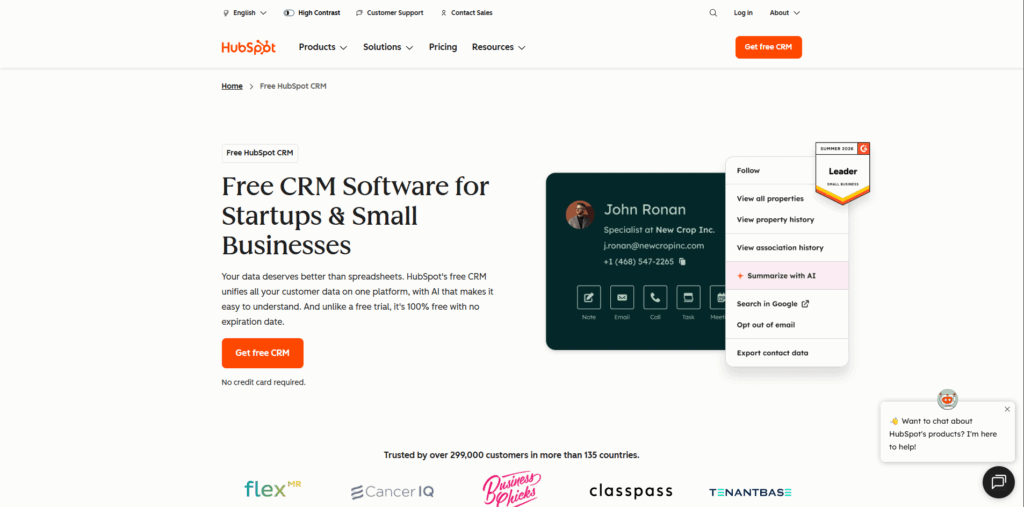
HubSpot CRM is globally known for its ease of use and strong marketing automation features. The platform is ideal for small to mid-sized insurance agencies that need easy setup and strong lead nurturing tools.
Key Features:
- Lead capture and tracking
- Email marketing automation
- Pipeline management
3. Zoho CRM
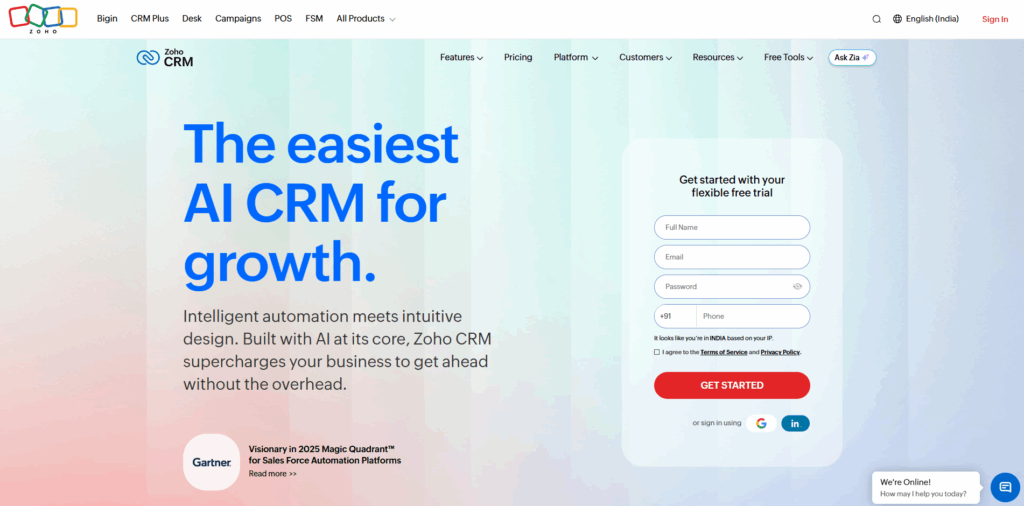
Zoho CRM is a cloud-based customer relationship management platform that helps insurance businesses efficiently manage leads, policyholders, communications, and sales pipelines from a centralized system.
Key Features:
- Lead and contact management
- Workflow and process automation
- AI-powered sales assistant
4. Microsoft Dynamics 365
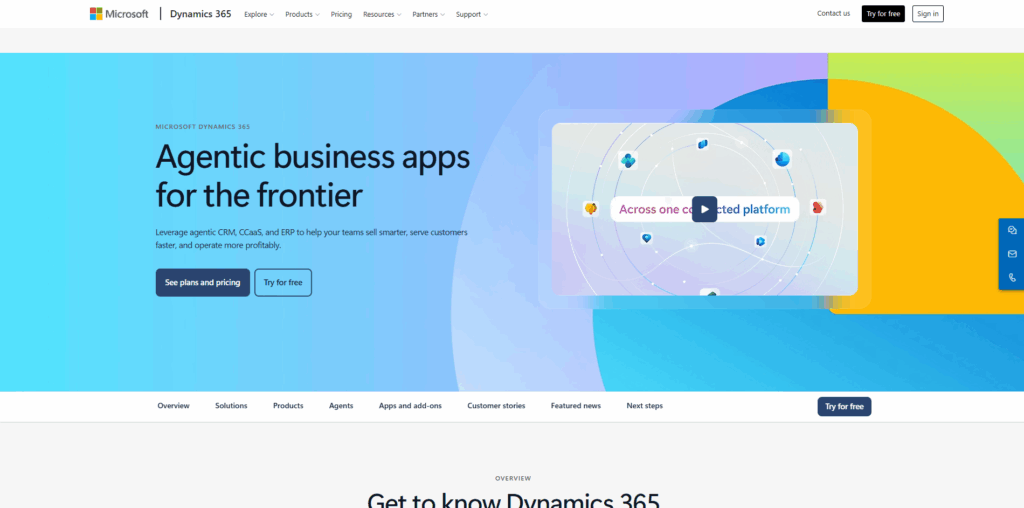
Microsoft Dynamics 365 is an enterprise-grade CRM and business management solution. The platform combines CRM with advanced analytics, automation, and AI capabilities. The platform is suitable for large insurance companies that require robust security and scalability.
Key Features:
- Unified customer data management
- AI-driven insights and predictive analytics
- Sales, customer service, and marketing automation
5. Pipedrive
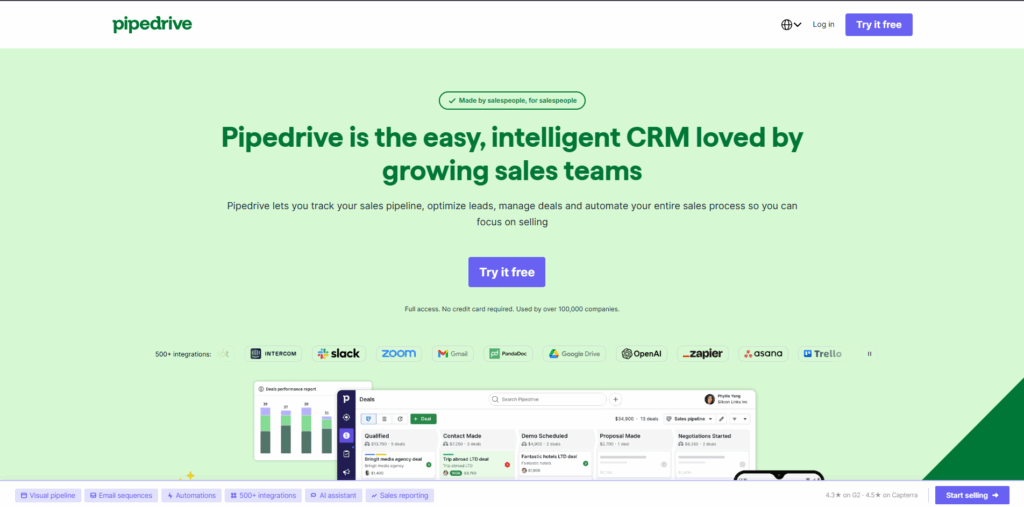
Pipedrive is a sales-focused CRM platform that is designed to help businesses efficiently manage leads and sales opportunities. The platform is known for its intuitive interface and visual sales pipeline.
Key Features:
- Visual sales pipeline management
- Automated follow-up reminders
- Lead tracking and qualification tools
Challenges of CRM for Insurance
While the CRM for the insurance sector offers key benefits for the agencies and brokers, their implementation and management can pose several challenges.
Some of the key challenges of CRM for insurance are as follows:
- Data Migration and Management: Insurance agencies often store critical customer information across multiple systems. Migrating this data into a new CRM platform can be complex and time-consuming.
- User Adoption and Employee Resistance: Introducing a new CRM system generally requires employees to change their existing workflows. Agents and staff may hesitate to adopt new technology.
- Integration with Existing Systems: Insurance agencies rely on various software solutions, which include policy administration systems, claim management platforms, accounting software, and communication tools. Integration of these systems can be technically challenging.
- Data Security and Compliance Requirements: The insurance agencies handle various sensitive customer information, which includes personal, financial, and health-related data. The CRM system designed for the insurance sector must also comply with industry regulations and maintain a high level of data security.
Conclusion
As the global insurance sector continues to grow and adopt digital transformation in 2026, the demand for CRM in the insurance sector increases significantly. The CRM for insurance helps agencies and brokers streamline the entire insurance operation, strengthen customer relationships, automate renewals, and improve retention. The solution also helps agencies uncover new opportunities through cross-selling or upselling.
Although the CRM for insurance offers various key benefits to agencies and brokers, the platform also includes key challenges, such as data migration, system integration, and user adoption. By selecting the right CRM for insurance that aligns with the business goals and operational needs, agencies can deliver a personalized customer experience, along with improved operational efficiency, and position themselves for growth in the current digital competitive landscape.
FAQs About CRM for Insurance
Q. What are the key features of CRM for insurance?
An ideal CRM for insurance should include key features such as policy tracking, renewal management, lead management, workflow automation, and commission tracking, among others.
Q. Can CRM for insurance help improve customer retention?
Yes, a CRM for insurance helps agencies maintain regular communication, deliver personalized services, track customer needs, and proactively manage renewals, leading to improved customer retention rates.
Q. Can I integrate CRM for insurance with other business systems?
Yes, most modern CRM for insurance can be seamlessly integrated with various key business software, such as administrative software, accounting systems, communication tools, marketing platforms, and claim management solutions.
Q. What are some popular CRM for insurance platforms for agencies?
Some of the most powerful and popular CRM for insurance platforms include Salesforce Insurance Cloud, HubSpot CRM, Zoho CRM, Microsoft Dynamics 365, and Pipedrive.
%201.png)

%201.png)

%201.png)