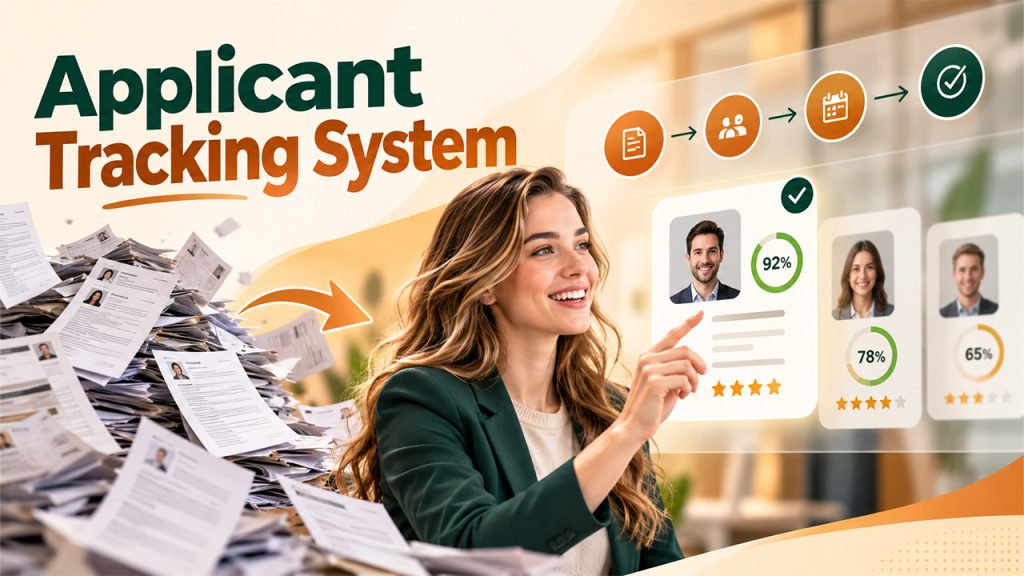
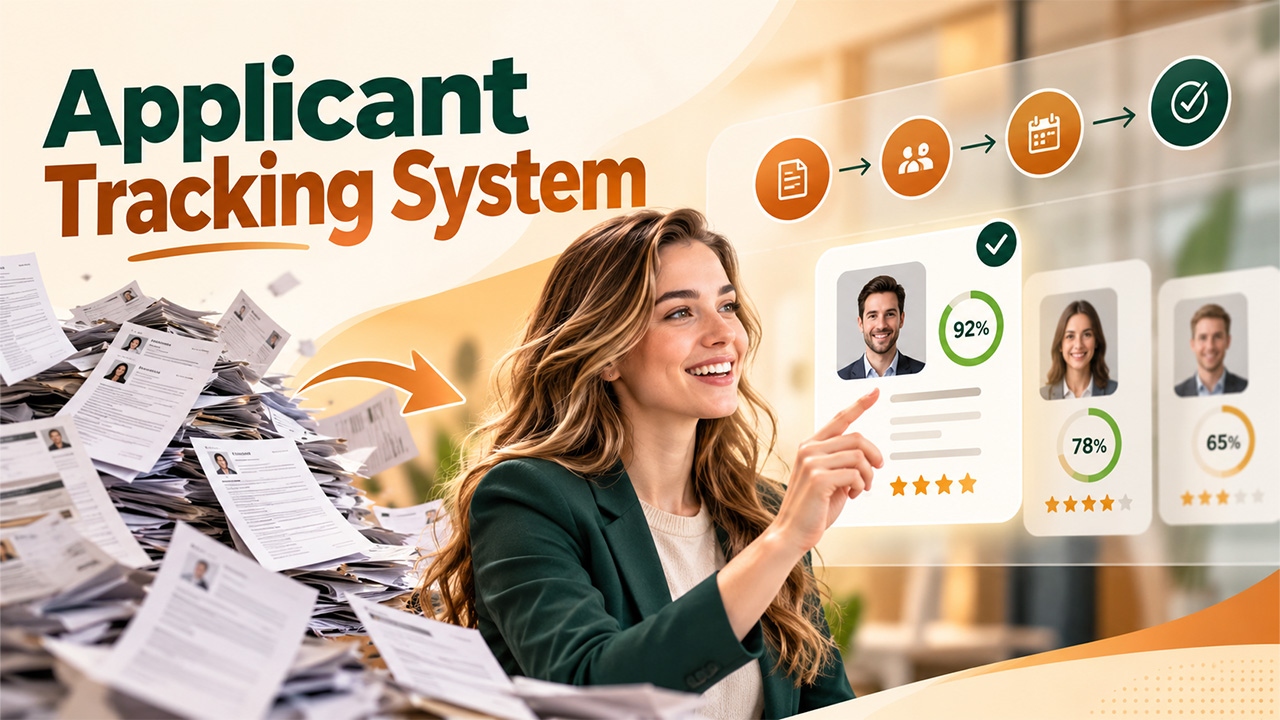

Picture a huge library that gets 1000 new books in a single week. There is no catalog and no shelf labels, just boxes that are kept stacked to the ceiling. If you are looking for Key Benefits of an Applicant Tracking Systemone specific book, it would take forever, and a few would probably get lost along the way. When you post one job opening, it can bring in hundreds of resumes within days. Now, someone has to read each of them, sort them, reach out to candidates, and remember who said what. It's too much work to get done for a team, especially in small and mid-size firms. However, you can streamline all this using an applicant tracking system (ATS).
What Is an Application Tracking System (ATS)?
An Applicant Tracking System, or ATS, is software that lets a company gather, organize, and track job applications in one place. It becomes easier for recruiters to sort applications, leave notes, send responses, and move candidates from one step to the next. There are many ATS systems that also post jobs on several sites at once and schedule interviews. It keeps records clean, saves time, and helps the team focus on each application the same way.
A recruiter CRM helps recruiters build candidate relationships through talent pools, automated outreach, and organized follow-ups.
Applicant Tracking System Myths vs. Reality
There are several job seekers out there who believe that a robot reads their resumes and rejects them in seconds. However, that's far from reality. An ATS system functions on rules the employer sets. Indeed, it sorts and filters applications that fit the job description, but people still decide who gets to sit in an interview and who gets hired.
The system gives an ATS score. It shows how closely a resume fits the requirements of the job, like skills, work experience, or certifications. It sorts out applications, but it isn't a final grade.
| Myth | Reality |
| The ATS rejects you automatically | It filters based on rules the employers set. People make the final call. |
| A high ATS score guarantees a job | It only shows how well a resume matches the role. A person still reviews it. |
| Every business needs an ATS | Not always. If you hire rarely and get few applications, simpler workflows can do the job. |
How Does an ATS Work?
Every system works differently. Some are good at searching for candidates while others read resumes. However, the basic flow remains the same.
- Post the Job Opening: Recruiters are responsible for writing the job ad, and then they can use the ATS to publish it to different job boards, social handles, and the company's career page.
- Candidates Submit Their Applications: When candidates apply, their resumes and answers are stored in one central place instead of being scattered across inboxes.
- Screens Applicants Against Basic Requirements: Recruiters set some short, job-specific questions, such as whether someone has enough experience or can work in a certain location. They help filter applicants who meet the basic requirements from those who don't.
- ATS Parses and Organizes Resumes: It extracts details that matter, like skills, experience, education, and location, then converts them into an organized profile. Then, all recruiters have to do is search by keyword or filter the list.
- Recruiters Track Candidates Through the Hiring Process: Candidates move through hiring stages. Recruiters and managers review applications, add notes and ratings. When any application lands in the system, automatic emails go out to schedule interviews.
Keep in mind that filters only work well when the rules behind them are good. Therefore, review your screening criteria occasionally, so good candidates don't slip through cracks because of a poorly chosen setting.
Key Benefits of an Applicant Tracking System
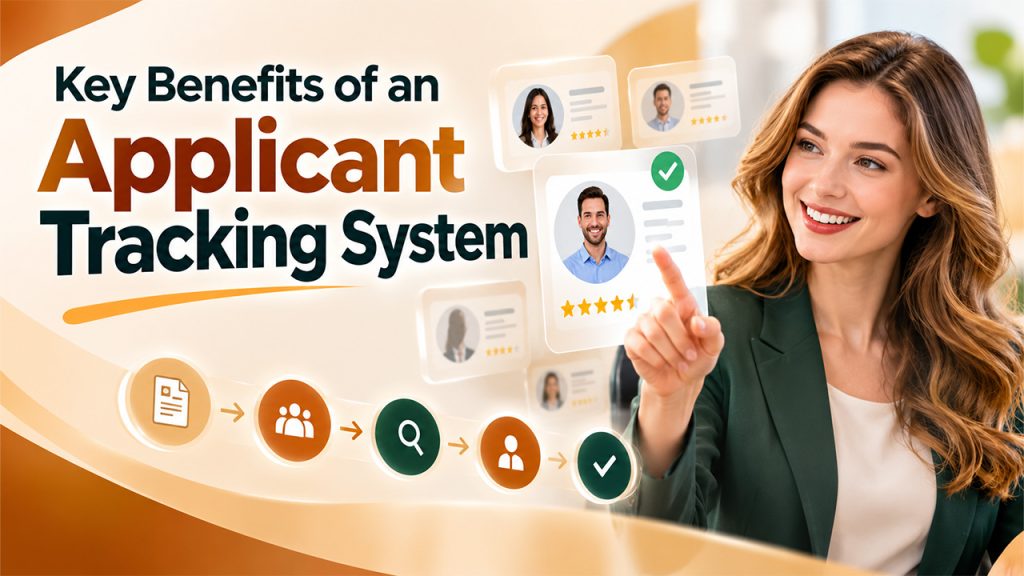
An applicant tracking system offers several features that help recruiters organize applications, screen candidates, and manage hiring tasks more efficiently.
- Less Repetitive Work: The system can automatically collect applications, save records, and send status updates without needing any human intervention. That way, recruiters are freed from admin tasks and can spend more time actually talking with promising candidates.
- Faster Screening System: Everyone is measured against the same basic criteria early on. It becomes easier for teams to identify likely matches quickly. It supports human reviews without actually replacing them.
- Easier Teamwork: Interviewers and hiring managers leave notes and ratings in the same candidate record, for everybody to see. Nobody has to spend hours digging through long email chains to find feedback.
- A Smoother Experience for Candidates: Simple application steps and timely updates make a real difference. Many job seekers say they rarely hear back after applying, and automatic messages help fix that.
- Fewer Mistakes and Better Data: When tools are connected, there's less copying and pasting between systems. Reports also reveal gaps in hiring, which becomes easier for teams to fix.
How Does ATS Software Optimize the Hiring Process?
Beyond managing applications, ATS software helps streamline recruitment by reducing manual work and keeping hiring activities organized.
- One-Click Job Posting: You don't have to post the same ad on many sites manually because ATS can publish it everywhere at once with just one click. It saves significant hours and widens the reach of every opening.
- Streamlined Applications Through a Centralized Career Page: Candidates can view openings, answer pre-screening questions, and apply from one spot without being redirected to multiple pages. Email notifications and sorting happen in the background.
- Faster Candidate Search and Filtering: All applicant records are stored in one database, which makes it easy for recruiters to search for them by skill, experience, or location in seconds.
- Automated Interview Scheduling and Coordination: Recruiters can sync calendars. It allows candidates to pick a time that suits them best and send video interview invites. It reduces endless back-and-forth emails.
- Recruitment Analytics for Better Hiring Decisions: ATS generates reports that track things like the best time to hire, cost per hire, and where applicants come from. These numbers show what's working and what isn't, so that teams can improve step by step.
What to Consider When Choosing Applicant Tracking Software

To get the most value from an ATS, consider the features, usability, integration options, and hiring needs of your organization.
- Match the ATS to Your Hiring Needs: A team that keeps hiring throughout the year has different requirements from one that hires twice a year. So, go with the software that matches your volume and your way of recruiting. Don't pay for features that are of no use to you.
- Choose Easy-to-Use Applicant Tracking Software: Some platforms are difficult to navigate. Pick software with a clear, simple setup that helps recruiters, managers, and interviewers start using it without a long training period.
- Look for Flexible Candidate Screening Options: Indeed, good filters can sort applications quickly, but don't make them too rigid. Apply settings that allow people to review whose background fits even if it doesn't match every filter exactly.
- Evaluate Software Reliability and Customer Support: Job data, workflows, and connections to job sites should work smoothly every day. Ask how support works, and how often the vendor updates the product.
- Compare Pricing and Essential ATS Features: Look for features that you'll truly use and compare them, like candidate messaging, reporting, and screening tools. Costs vary depending on whether you want standalone applicant tracking system software or one that's part of a wider HR suite.
Conclusion
An applicant tracking system won't hire anyone for you, and it was never meant to. That decision is solely yours. It is only responsible for organizing things, so people can make better decisions. This helps HR professionals or recruiters spend less time sorting applications and more time talking to real people. Where hiring is heading is easy to see. It becomes simpler, helps with scheduling, and ensures a smoother experience for candidates. If you’re hiring, pick the tool your team will actually use and trust. If you’re job hunting, keep your resume clear, honest, and matched to the role you want. A little care on both sides really goes a long way.
FAQs About Applicant Tracking System
It's a rating that shows how well a resume matches a job's requirements. Recruiters use it to sort applications, not to make the final decision.
It can filter applications using the rules an employer sets. But people still make final hiring decisions.
Not always. If you hire occasionally and get a manageable number of applications, simpler methods may be enough. It helps more as volume grows.
Screening questions are one tool for sorting applicants. ATS is the bigger system that stores applications and tracks candidates through every step.
Read the job post and use its key skills where they truly apply. Add a clear skills section, and don't stuff in keywords.