
You're juggling client emails, proposal follow-ups, invoices, and three different conversations on LinkedIn, all before lunch. There's no assistant to remind you, no sales team to pick up the slack. It’s just you, your laptop, and the growing fear that something important is about to slip through the cracks. This is the daily reality for most solopreneurs. And while hustle and discipline get you far, they don't build systems. That's where a CRM for Solopreneurs comes into the picture. It is not disguised as a corporate tool, but something that is genuinely built for the way you work.
This blog will walk you through everything you need to know about CRM for solopreneurs and how they help streamline your business operations.
What Is a CRM for Solopreneurs?
CRM stands for Customer Relationship Management. At its core, it's a system that helps you track, manage, and nurture your relationships with clients, leads, and prospects, all from one place.
But here's the thing. Most CRM software was originally designed for sales teams with pipelines, managers, quotas, and weekly reports. That's not you. As a solopreneur, you don't need a tool that is built for twenty people. You need one that thinks the way you do; fast, focused, and flexible. A CRM for solopreneurs is a leaner version of that concept. It keeps your contacts organized, reminds you when to follow up, tracks where each client is in your workflow, and gives you a clear picture of your business relationships at any given moment.
To understand why most modern CRM systems were built for teams first, it helps to look at how technology evolved over time.
Why Every Solopreneur Needs a CRM System
When you’re running a business alone, your memory isn’t considered a reliable system. The human brain is extraordinary when it comes to creative thinking and problem-solving, but it's terrible at tracking twenty client relationships simultaneously while also managing your finances and delivering actual work. A CRM solves that problem quietly and efficiently.
CRM creates a single source of truth for your business relationships. It stores every step and conversation to make them searchable and accessible. You do not have to waste mental energy trying to remember who said what. You can spend that energy on things that actually move your business forward.
If you want to scale, you need the right CRM software for your business. Bringing in more clients without a system to manage them doesn’t grow your business. It just raises your stress. A CRM gives you the foundation to handle more without burning out.
Essential Features to Look for in a CRM for Solopreneurs
There are hundreds of CRM options available on the market, but not all of them are worth your attention. You need CRM tools that are right, purposeful, and actually usable without needing a training course.
- Contact Management: A clean, organized database where you can store client details, communication history, tags, and notes. This is a non-negotiable foundation.
- Pipeline Tracking: A visual layout that shows you where every lead or client currently stands, from first contact to closed deal to ongoing work.
- Task and Follow-Up Reminders: Automated nudges that tell you when to reach out, check in, or take action. You shouldn't have to rely on memory or sticky notes.
- Email Integration: The ability to connect your inbox so that conversations are logged automatically.
- Simple Reporting: Basic insights into your pipeline, such as how many active leads you have, conversion rates, and revenue projections. Nothing is complicated here.
- Automation: Even light automation like auto-sending a welcome email or scheduling a follow-up task saves real time over the course of a month.
- Mobile Access: You're not always at your desk. A CRM that works well on mobile keeps you responsive without being tied to your screen all the time.
- Affordable Pricing: Most solopreneurs don't need ten seats. Look for tools with solo-friendly plans, ideally with a free tier or a low-cost entry point.
If a CRM has all of the above-mentioned features and doesn’t need a guide manual to use, it is worth your serious consideration.
5 Best CRM for Solopreneurs
CRM tools are abundant in number. However, most of them are either built for large teams, enterprises or so loaded with features that you need a tutorial at every step. Below are five practical and approachable tools that are genuinely suited to the way solopreneurs actually work.
1. HubSpot CRM
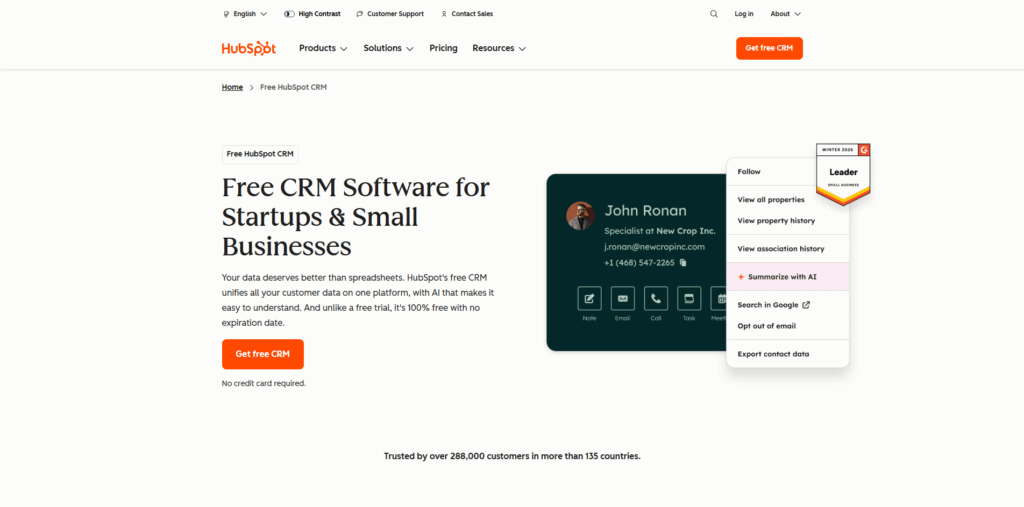
If you’re new to CRM, then you should probably start with HubSpot. It is a free CRM, and it doesn’t feel stripped down or limited in the way most free tools do. It offers a clean interface, a gentle learning curve, and covers everything a solopreneur needs to stay organized without spending a dollar.
Key Features:
- Free forever plan with no time limit
- Contact and deal management in one dashboard
- Email tracking and inbox integration
- Basic reporting and pipeline visibility
- Scales easily if your needs grow over time
2. Pipedrive
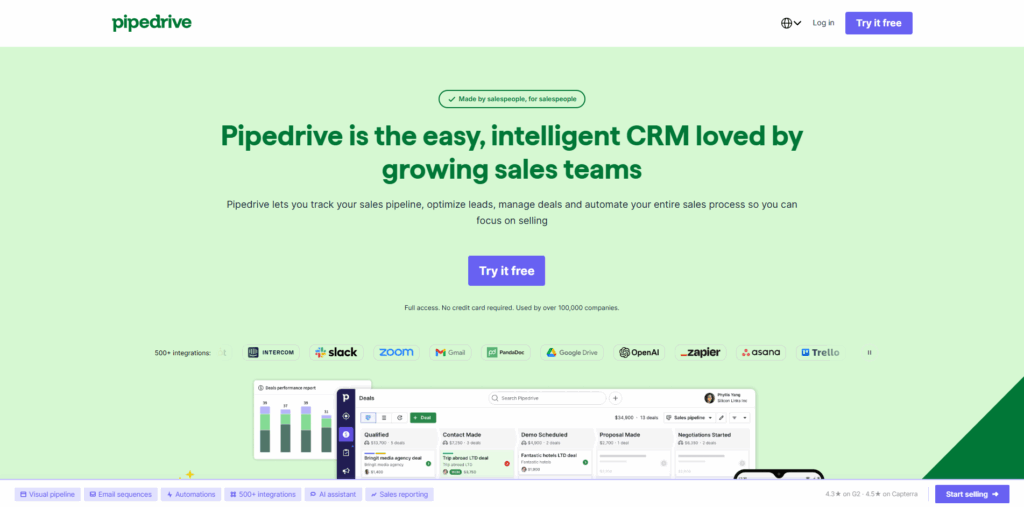
If your business is built around pitching, closing, and converting, then you probably need Pipedrive. It is a sales-focused CRM. It offers one of the cleanest visual pipelines. You can see every deal at a glance and instantly know what you need to focus on. If your business’s core strength is moving leads through a sales process, Pipedrive is an ideal option.
Key Features:
- Drag-and-drop visual sales pipeline
- Activity reminders and follow-up prompts
- Email sync and communication tracking
- Customizable pipeline stages
- Mobile app that actually works well
3. OutRightCRM
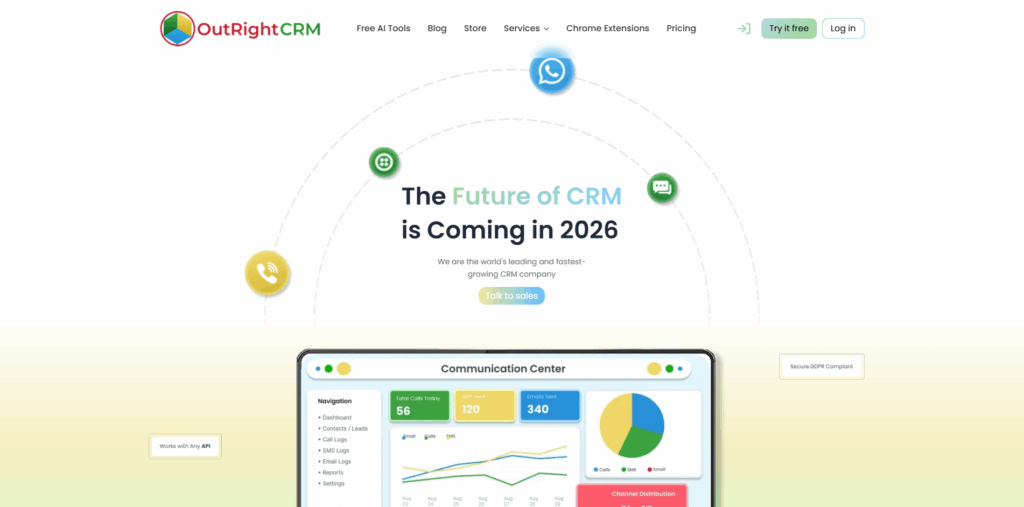
OutRightCRM is a solid option, especially for solopreneurs who want something straightforward. It's designed to simplify contact management and sales tracking without overwhelming you with features. It offers omni-channel communication across email, WhatsApp, and live chat to streamline your business conversations.
Key Features:
- Simple and clean contact and lead management
- Sales pipeline tracking without unnecessary complexity
- AI-automated follow-up reminders and task management
- Email integration for seamless communication tracking
4. Breakcold
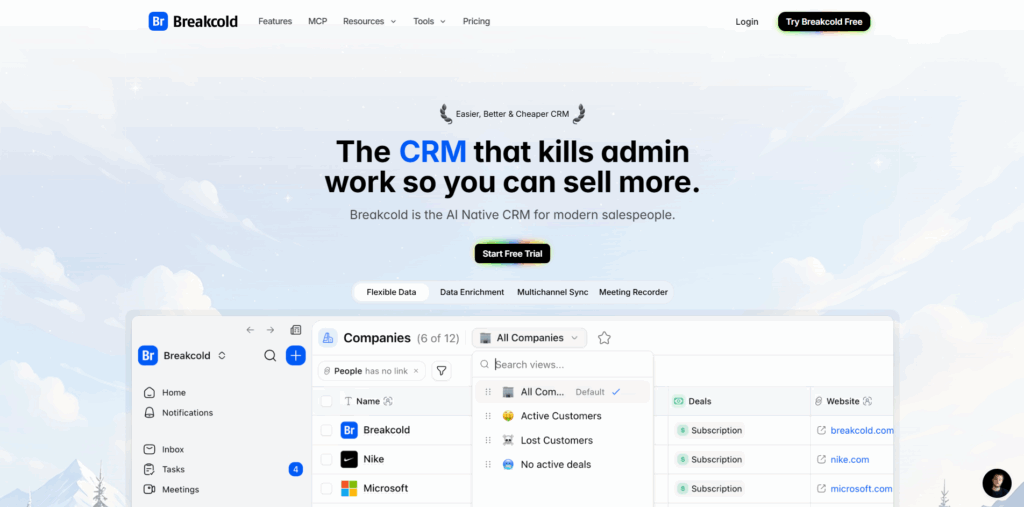
Breakcold might sound like a new name among CRM, but it is genuinely different. It is especially built for those solopreneurs who grow their business through LinkedIn, Twitter, and social media outreach. Breakcold pulls everything in one place, which reduces the need to switch between your CRM and five social tabs. You can engage with a lead content, send a message, and log the interaction without even leaving the platform.
Key Features:
- Social media feed integrated directly into the CRM
- LinkedIn and Twitter engagement tracking
- Pipeline management with social context
- Email outreach with follow-up sequences
- Built specifically for relationship-based selling
For solopreneurs who rely on social platforms for outreach, understanding how a CRM for social media marketing works can give you a real strategic edge.
5. Notion (with CRM Templates)
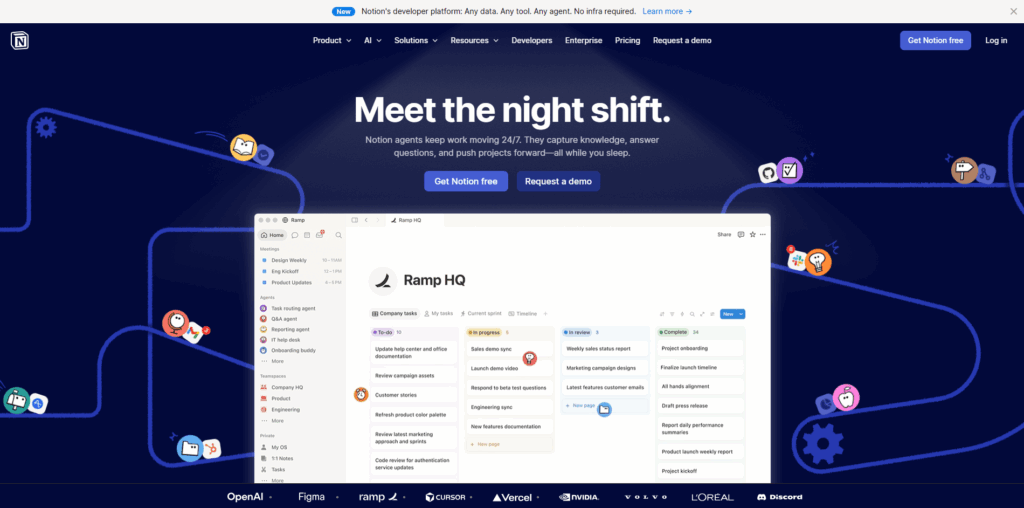
If we talk in the traditional sense, then Notion is not a CRM. However, depending on the right kind of solopreneur, it works surprisingly well. If you already use Notion for notes, planning, or project tracking, adding a CRM template turns it into a powerful client management system. Setting it up requires a little time, but once it starts running, it becomes yours. There are no rigid structures or features that you don’t need.
Key Features:
- Fully customizable CRM layout using templates
- Works within your existing Notion workspace
- Great for contact tracking, deal stages, and notes
- Free to start with a generous base plan
- Ideal for solopreneurs who prefer minimal, flexible tools
Here's the best CRM Software for Solopreneurs at a Glance:
| CRM Tools | Best For | Standout Features | Pricing |
|---|---|---|---|
| HubSpot CRM | Beginners and all-in-one use | Free forever plan, strong integrations | Free |
| Pipedrive | Sales-focused entrepreneurs | Visual pipeline, clean UI | $14/month |
| OutRightCRM | Solopreneurs wanting straightforward tool | AI-powered automation, fully customizable workflows | |
| Notion + CRM Templates | Flexible, customizable setups | Fully adaptable workspace | Free; $10/month |
| Breakcold | Social selling and LinkedIn outreach | Social feed built into CRM | $29/month |
How to Choose the Right CRM for Solopreneurs
Before choosing a CRM, it’s important to evaluate your workflow, business goals, and budget to ensure the tool supports the way you actually work.
- Assess Your Business Workflow and CRM Needs: If you acquire clients through cold outreach, go with something sales pipeline-focused like Pipedrive. If you run everything through LinkedIn and social media, Breakcold is a better option.
- Consider Your Technical Skills and Ease of Use: There are some CRMs that are ready to use, while others need configuration. It's up to you whether you want to spend time on configuration or just start right away.
- Evaluate CRM Integrations with Your Existing Tools: The best CRM is the one that integrates with your existing tool stack, such as your email provider, calendar, or invoicing software. If there is friction between tools, it kills adoption faster.
- Start with a Free or Affordable CRM Plan: Many CRM offers free trials or free tiers. Use it seriously for two or three weeks before committing to a paid plan.
And if your solo operation eventually grows to include collaborators or contractors, it's worth exploring how a CRM for sales teams can support that next stage.
Conclusion
Running a business alone is hard. The workload is real, the mental load is heavier, and there is no team to catch the things that you miss. This is why CRM for solopreneurs is essential. It protects your client relationships, reputation, and revenue. The right tool gives you clarity when everything feels scattered and disorganized. There is no need to operate like a one-person team that tries to manage everything on its own. With the right CRM, you can operate like a one-person business that genuinely keeps everything together and organized. Start small, stay consistent, and let the CRM system work for you.
FAQs About CRM for Solopreneurs
Q. Is a CRM really necessary for a solopreneur?
Yes. Once your client list grows beyond what your memory can reliably manage, a CRM becomes essential.
Q. What is the best free CRM for solopreneurs?
HubSpot CRM offers the most complete free plan with contact management, pipeline tracking, and email integration.
Q. Can I use a spreadsheet instead of a CRM?
You can start with one, but spreadsheets lack automation, reminders, and relationship tracking, making them a temporary fix at best.
Q. How long does it take to set up a CRM?
A basic setup can take a few hours; a fully customized workflow may take a few days, depending on the tool.
Q. Do CRMs work for service-based solopreneurs, not just product sellers?
Absolutely. CRMs are arguably even more valuable for service providers, where long-term client relationships drive most of the revenue.
%201.png)

%201.png)

%201.png)